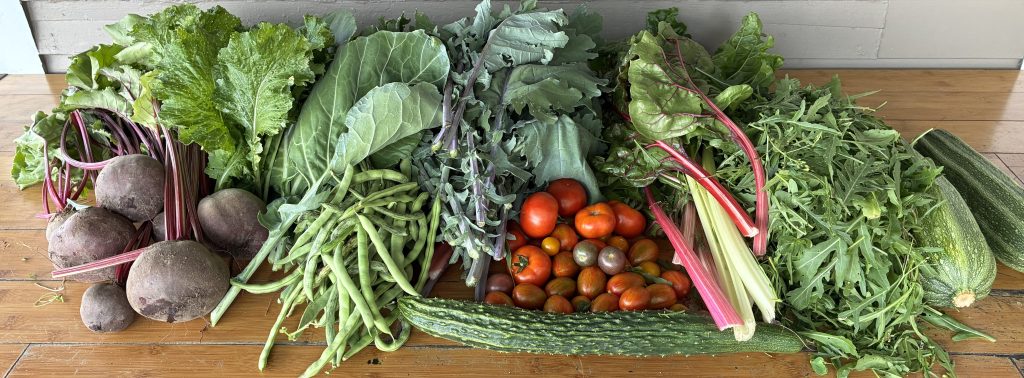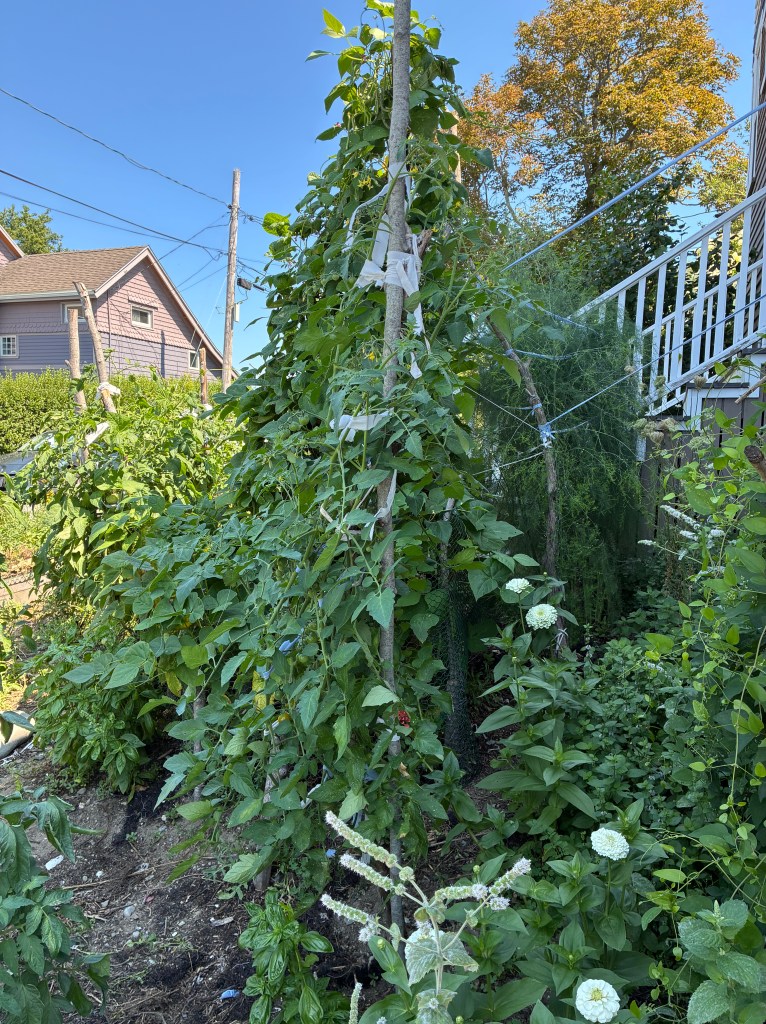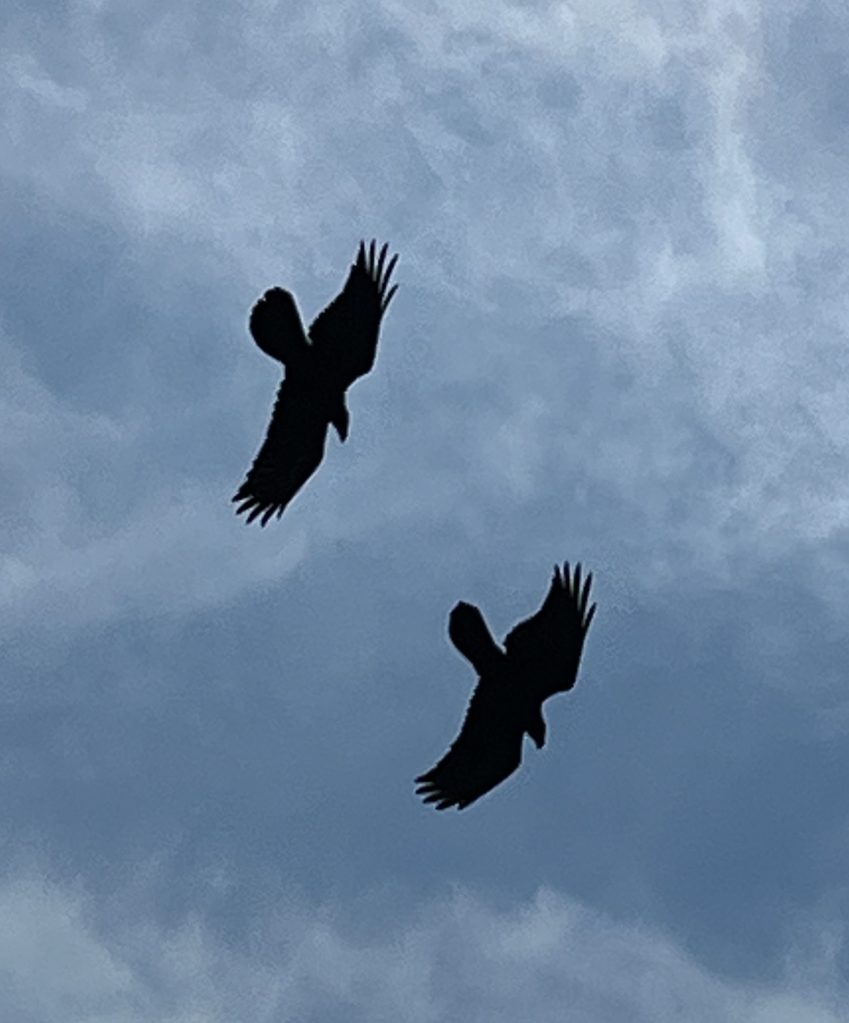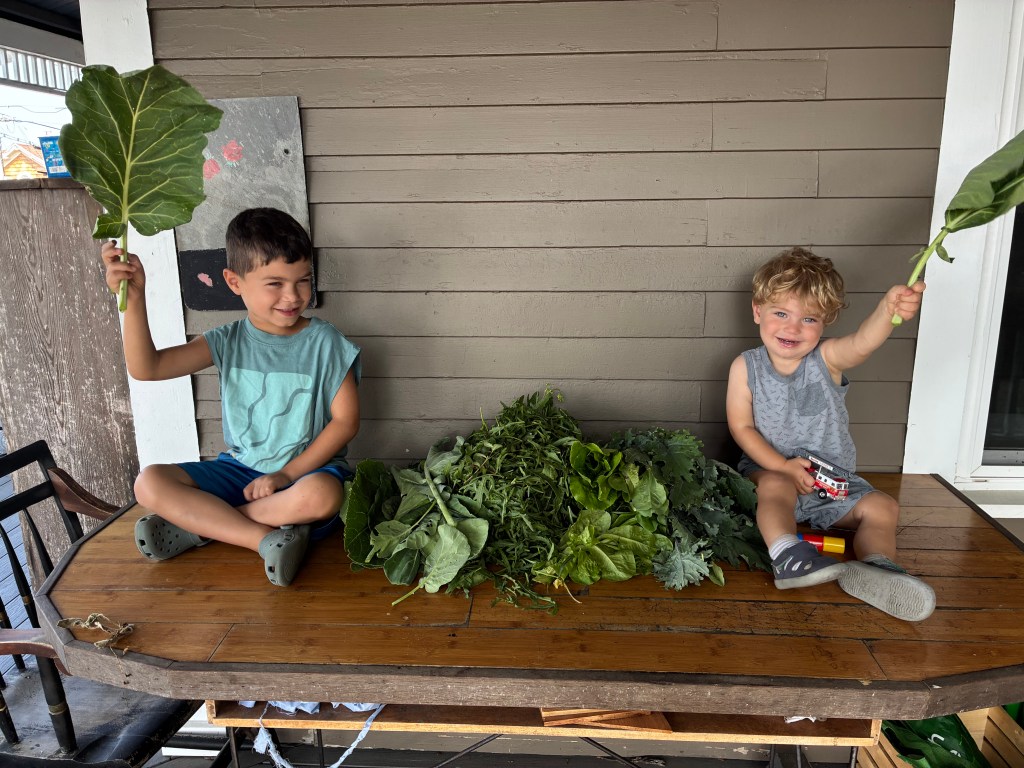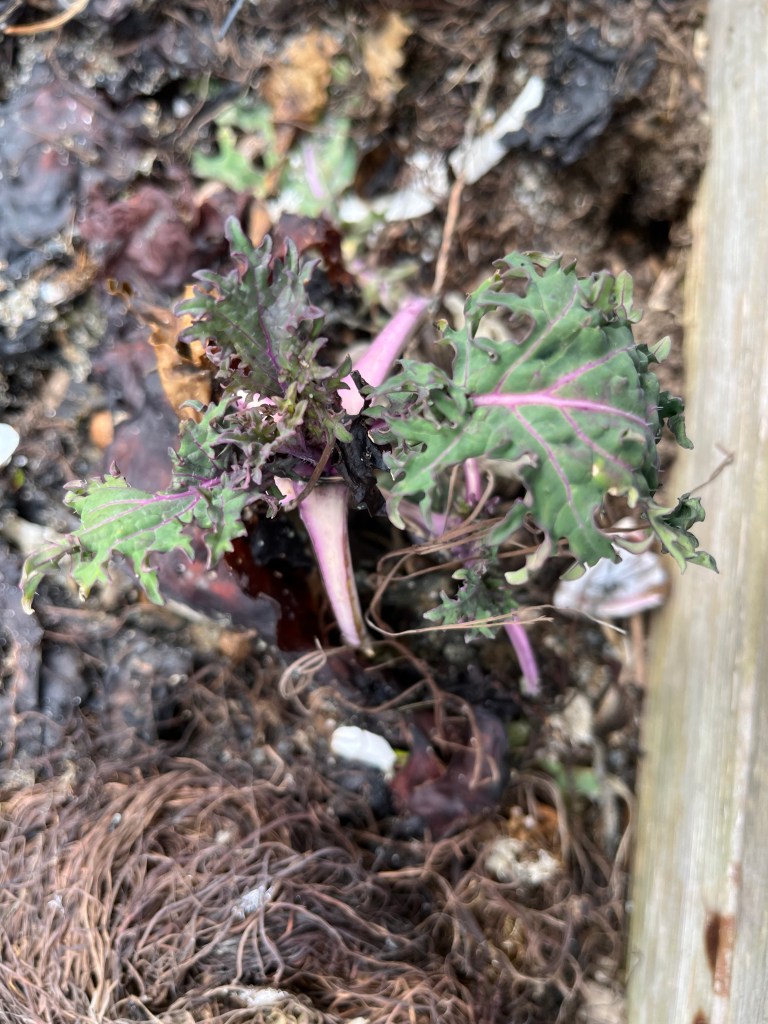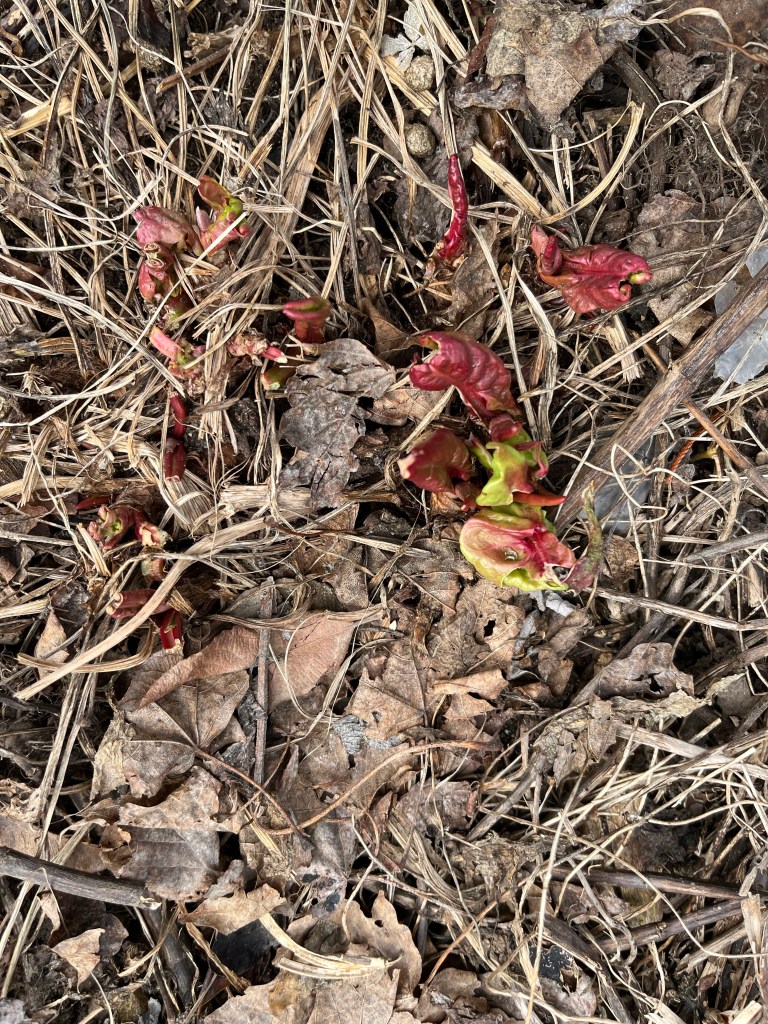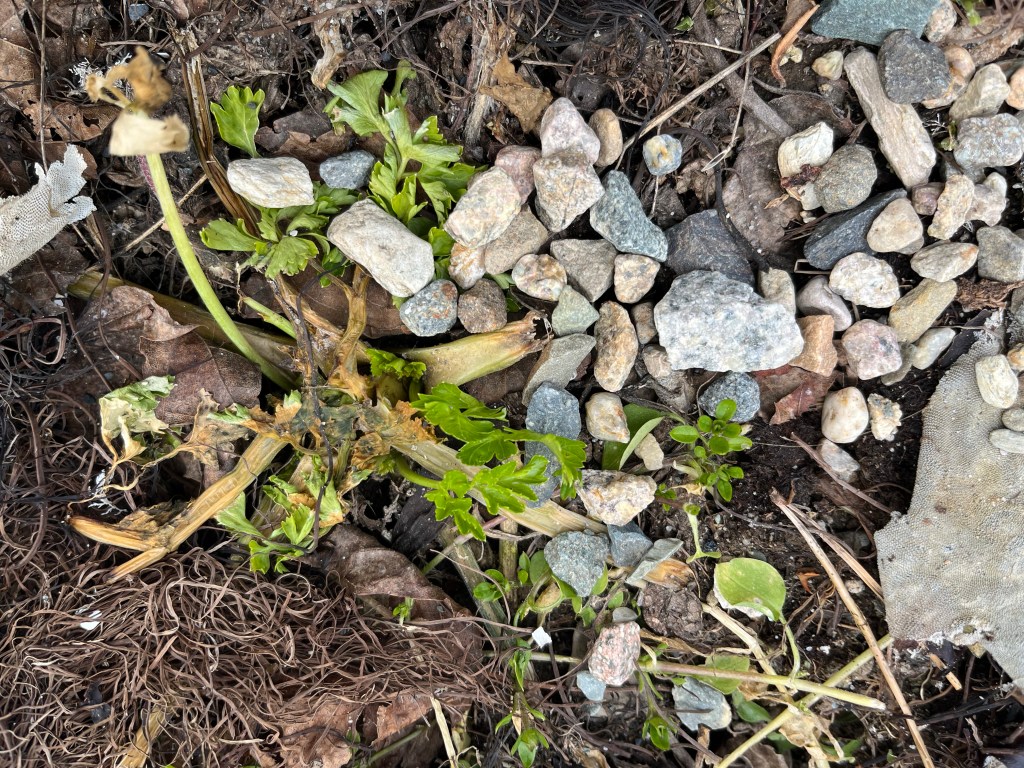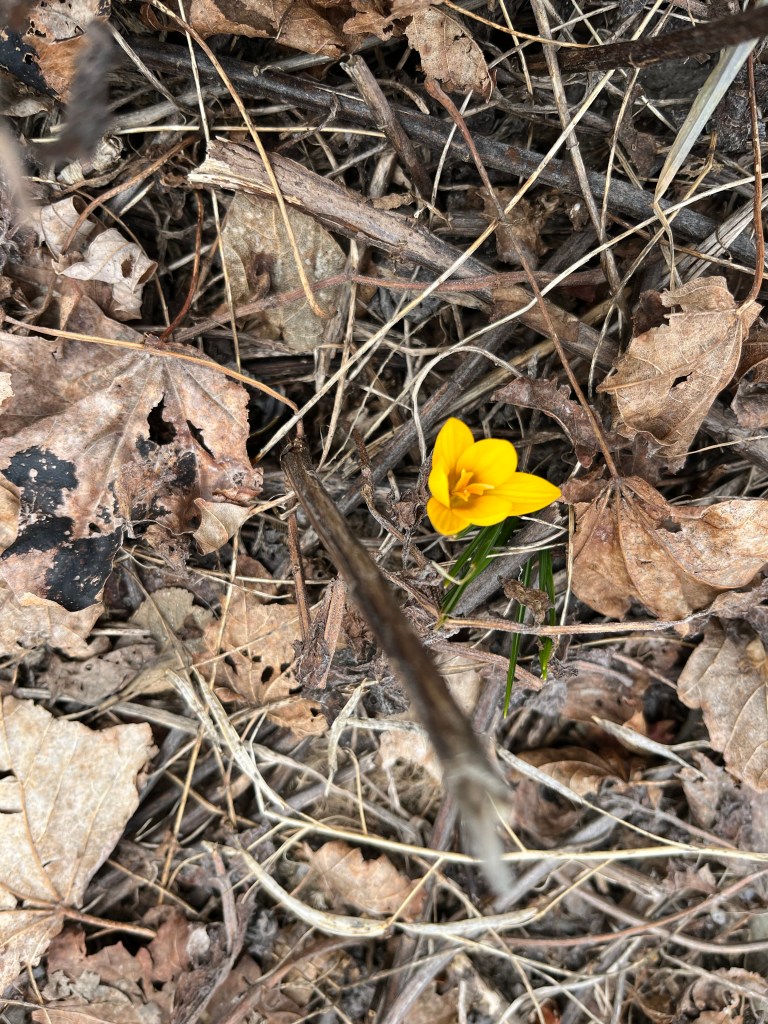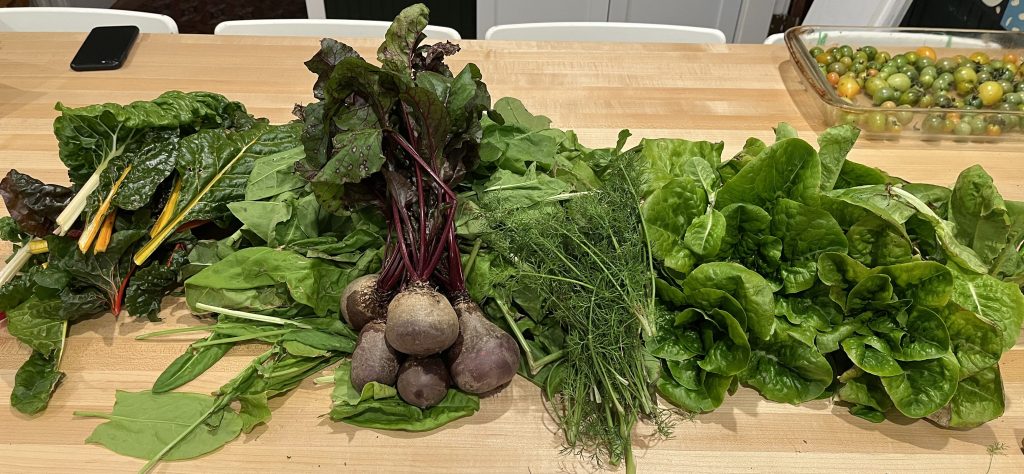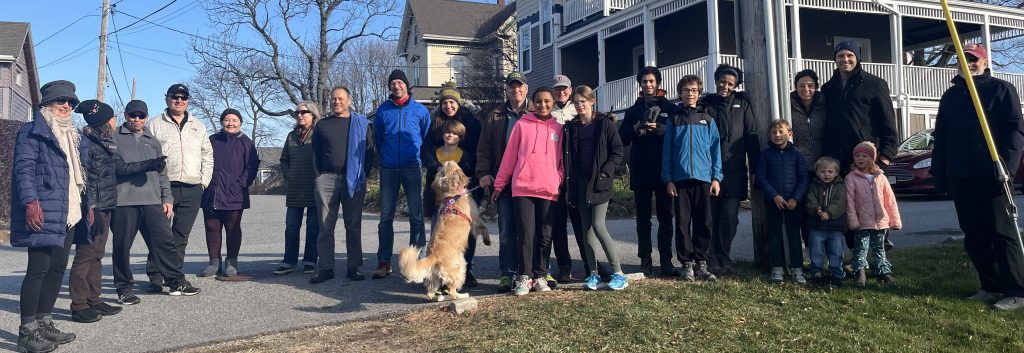

Well, it has been about two months since I last wrote a post, and we have had two good months of eating from the garden with plenty of tomatoes, arugula, collards, chard, kale, rattlesnake beans, beets, and almost too many zucchinis and cucumbers. Until a few days ago, the Ravens kept me company, but they too seem, like the children and grandchildren, to have left Hull. The school year is in full force with many magical classes and a couple of classes that keep me working to get better as an art teacher. The wheel of the year rolls on.
It makes me think of the Pete Seeger song, “Turn, Turn, Turn,” where he quotes Ecclesiastes 3:1-8. There is a time when the garden and food are the center and another time when the classroom and the school are the center. “A time to reap and a time to sow.” Here is an excellent version of the song Pete Seeger sang that was released by Folkways Smithsonian in 1998.
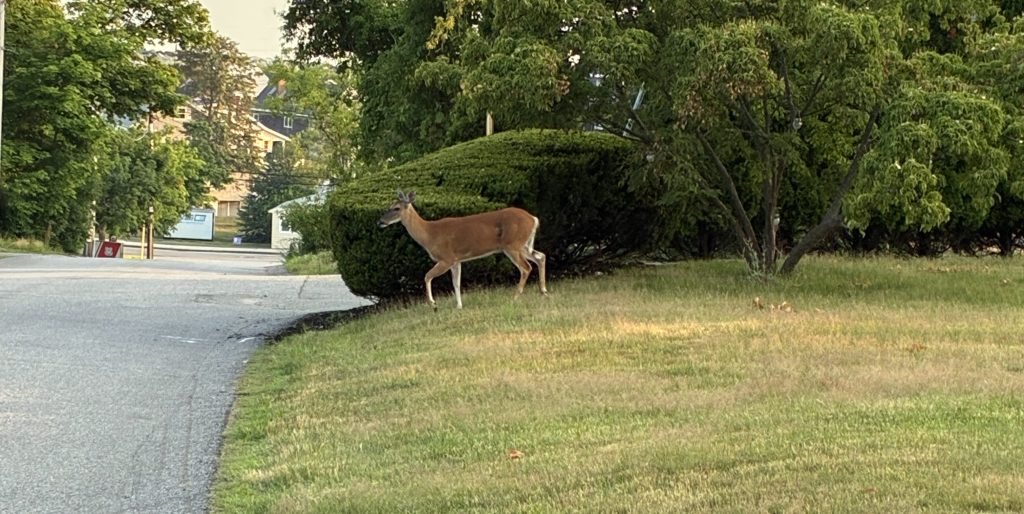
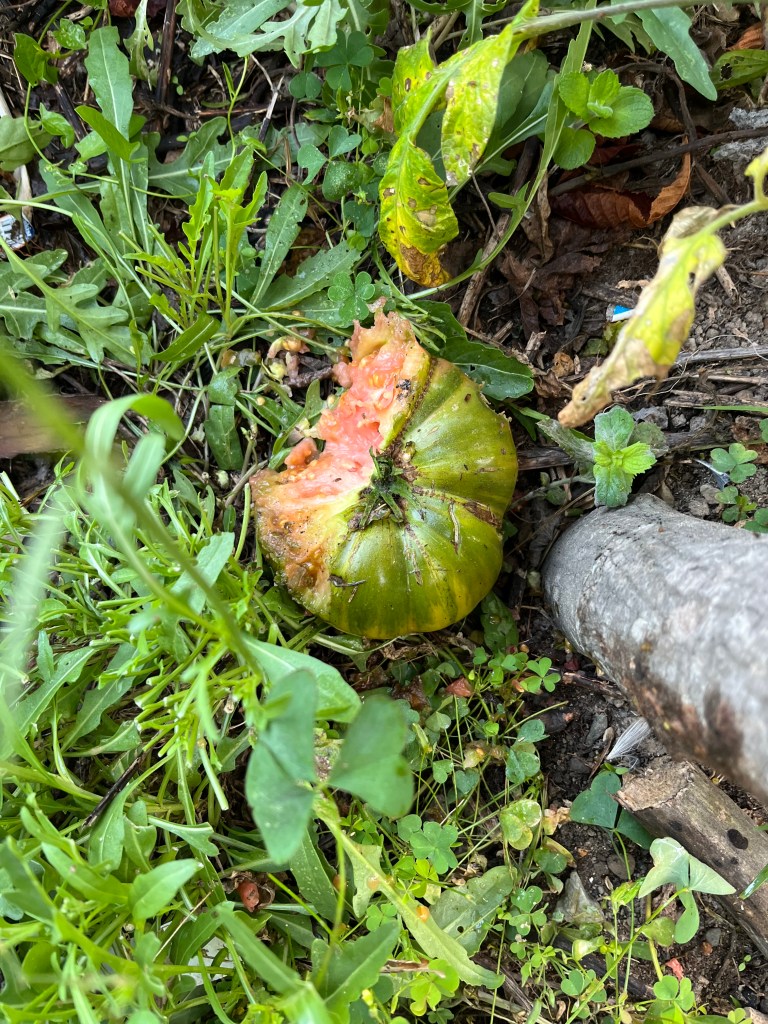
As the year rolls on and we begin Fall, there is a lessening of light and a lessening of food from the garden. We still have amazing cherry tomatoes, both Sungold and Black Cherries. They taste nearly as good as ever, but we have had no Black Krim for a month, and the Brandywines are no longer perfection. I have had to pick the Brandywines just as they turn because for the last six weeks animals have been eating them well before they were ripe. They are good but no longer the transportative food that I was blessed to share with my father in August. He was born in 1928, and he is still a model of how to savor and show appreciation. It was fun watching him eat a truly excellent tomato sandwich. He liked it so much he wanted to have them again and again and was not satisfied with waiting for next year when I could bring him more. He wanted to get them from a local farmer in Maine. He has had a lot, and he wants more. I am just like that too.
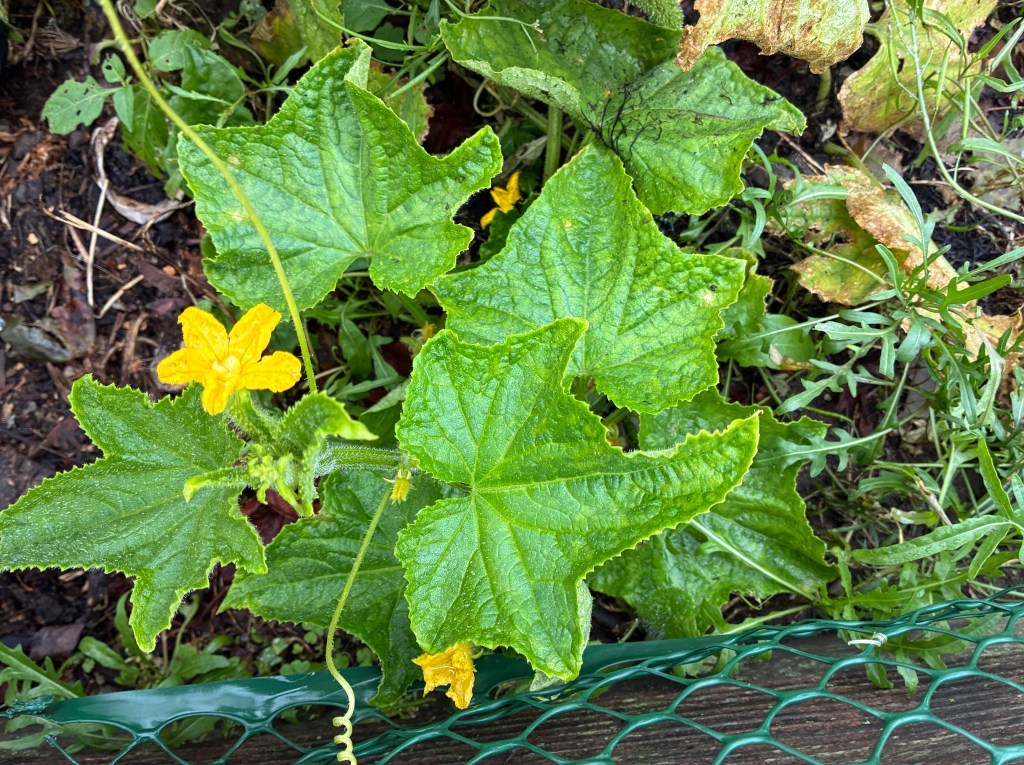
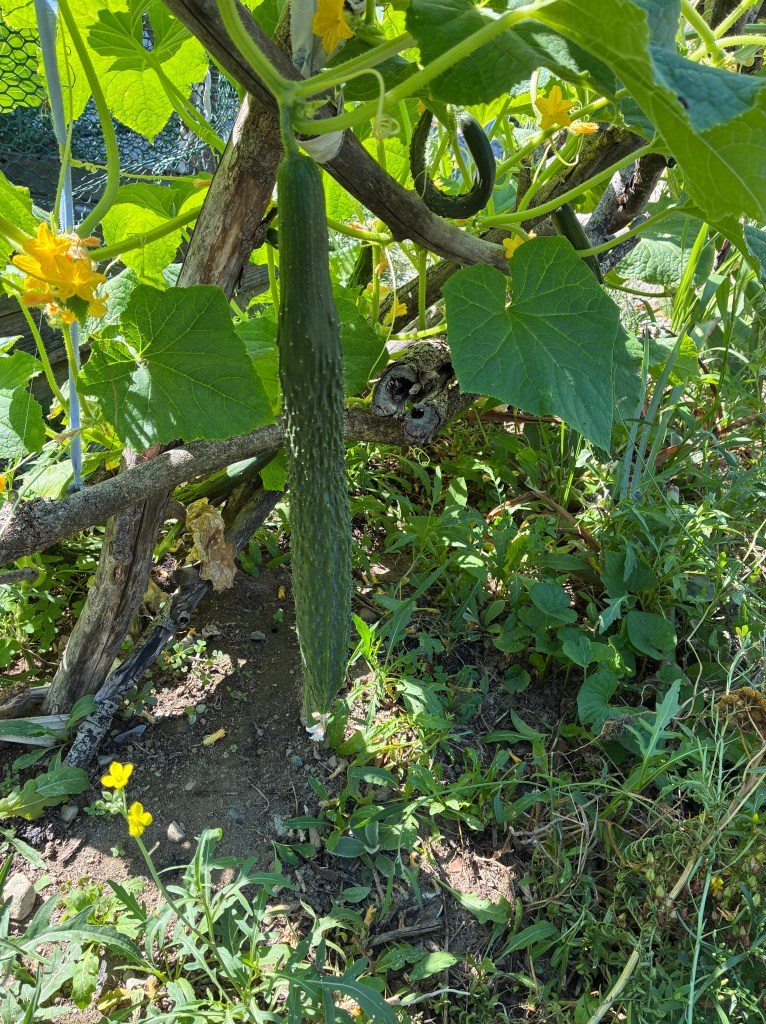
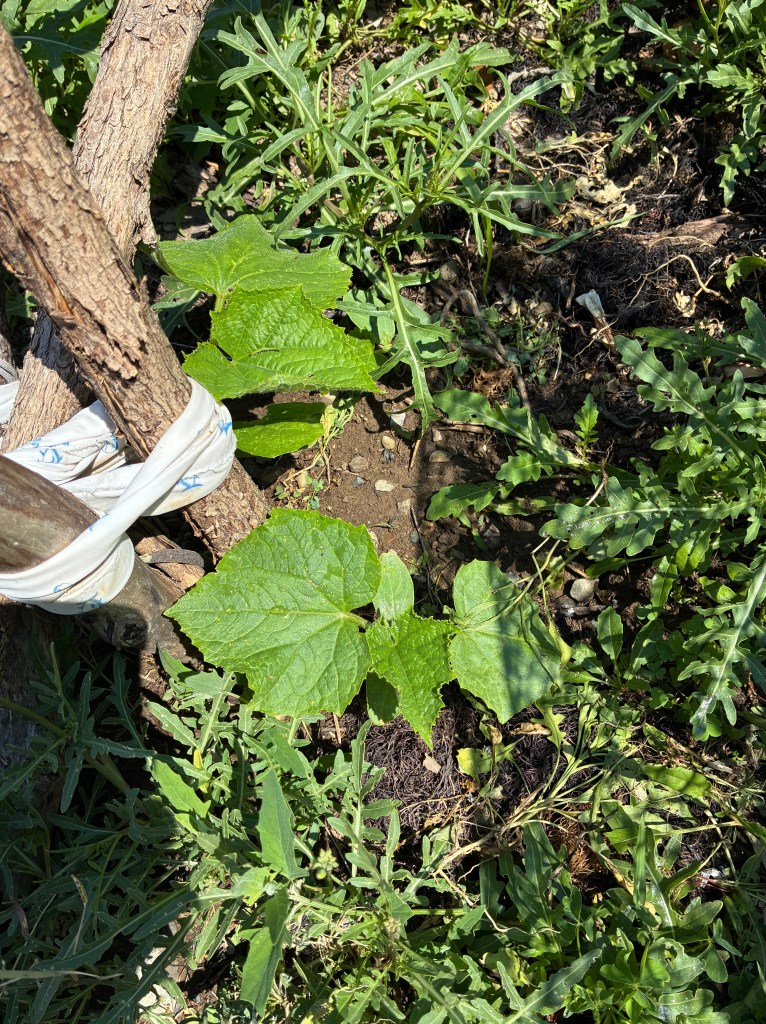
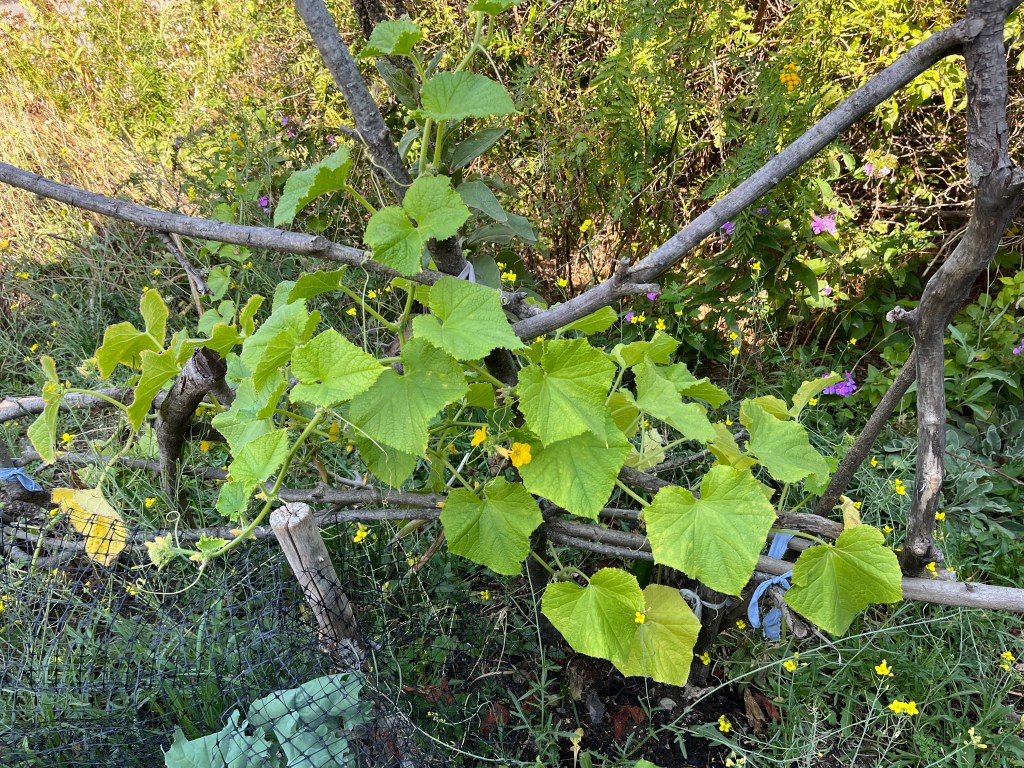
Despite the positive image of the cucumber in the photo above, we might have had the last of the cucumbers. They and the Black Krim and other tomatoes are still putting out blooms and still have the drive to make more, but they may not have the sun or the heat to do it. Back at South Shore Charter School, there was a recess game we played called “We got a lot, but we want more.” In that game, we would link arms and walk back and forth, singing and chanting, trying to get more students to link arms and join our game. I remember one recess more than ten years ago when we got nearly all the students to link up. There were more than ninety of us linked together, singing and cheering ourselves. That was the most we had, but we had a lot when it was only two of us; we wanted more, and sometimes we got more, but we also knew two was enough. In the Hull Garden, we have had a lot, and I do all that I can to get more. I believe the most important thing is to show gratitude for the food that the garden has already made and to know we have enough, but still work hard to grow more. Just like my dad and the tomato, we got a lot but we want more.
Appreciating the fall garden is a lesson in learning how to appreciate a diminished or diminishing thing. This lesson makes me think of the Robert Frost Poem, “The Oven-Bird.” In the poem, Frost hears the sound of a “mid-wood bird.” The bird sings a beautiful song, but it is not the song of the glory of spring. It is what it is and what it is enough. In striving and working hard for more, more for yourself and more for others, it is so important to celebrate what is and to say it is enough. Below is the Frost Poem:
There is a singer everyone has heard,
Loud, a mid-summer and a mid-wood bird,
Who makes the solid tree trunks sound again.
He says that leaves are old and that for flowers
Mid-summer is to spring as one to ten.
He says the early petal-fall is past
When pear and cherry bloom went down in showers
On sunny days a moment overcast;
And comes that other fall we name the fall.
He says the highway dust is over all.
The bird would cease and be as other birds
But that he knows in singing not to sing.
The question that he frames in all but words
Is what to make of a diminished thing.
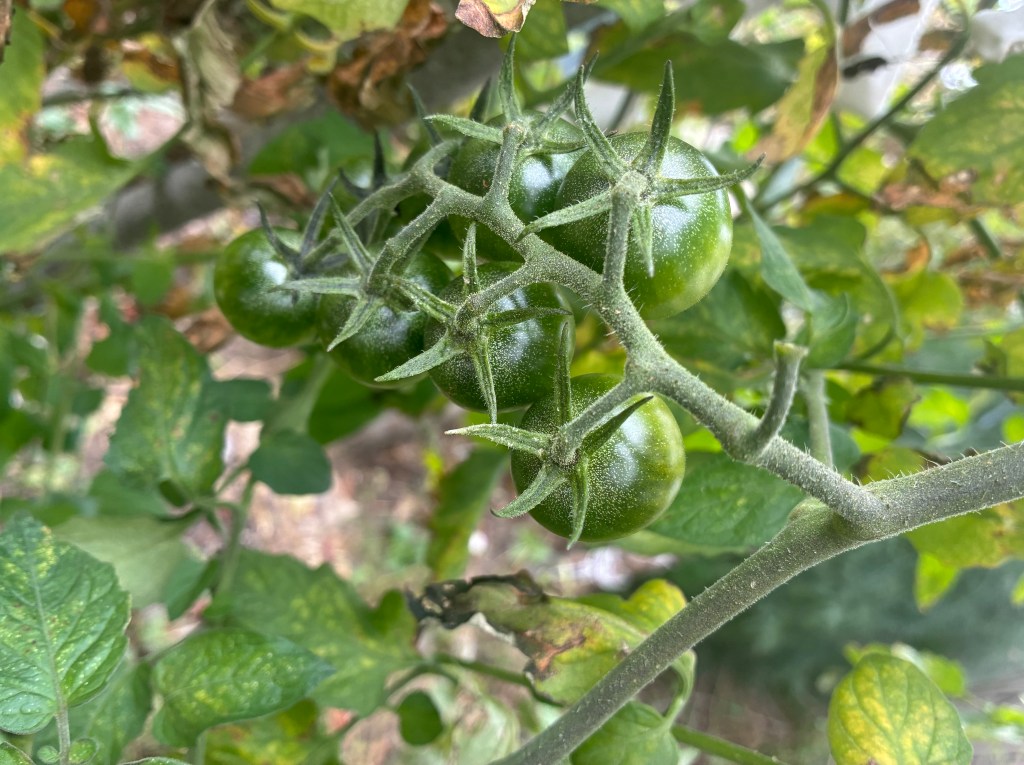
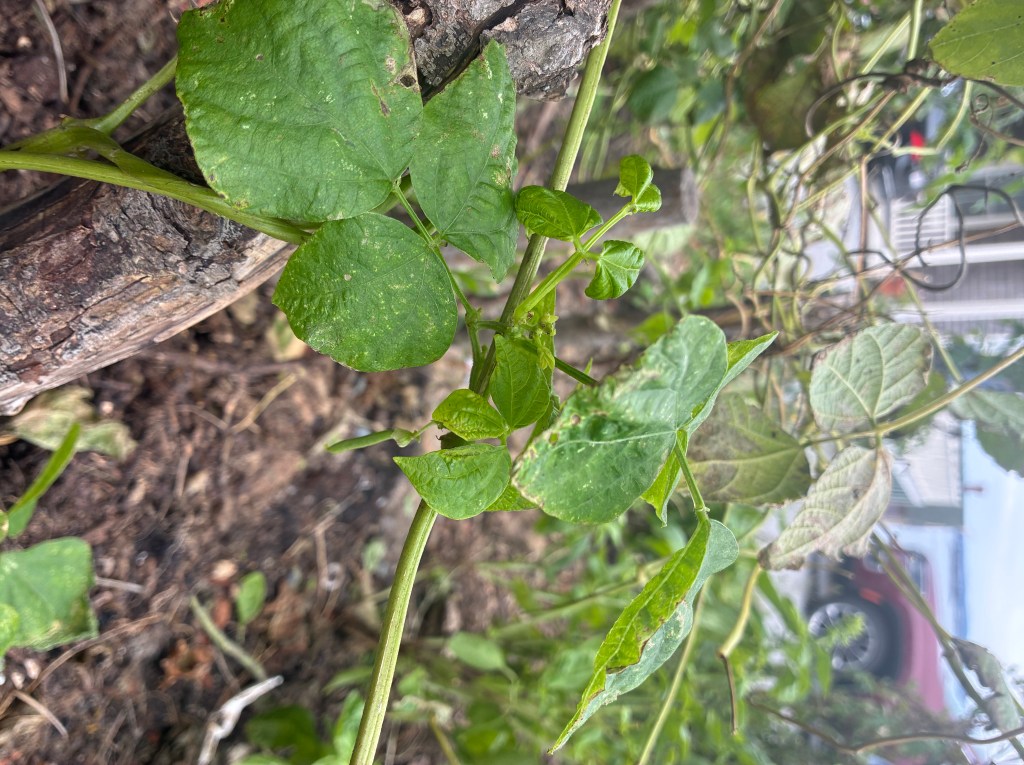
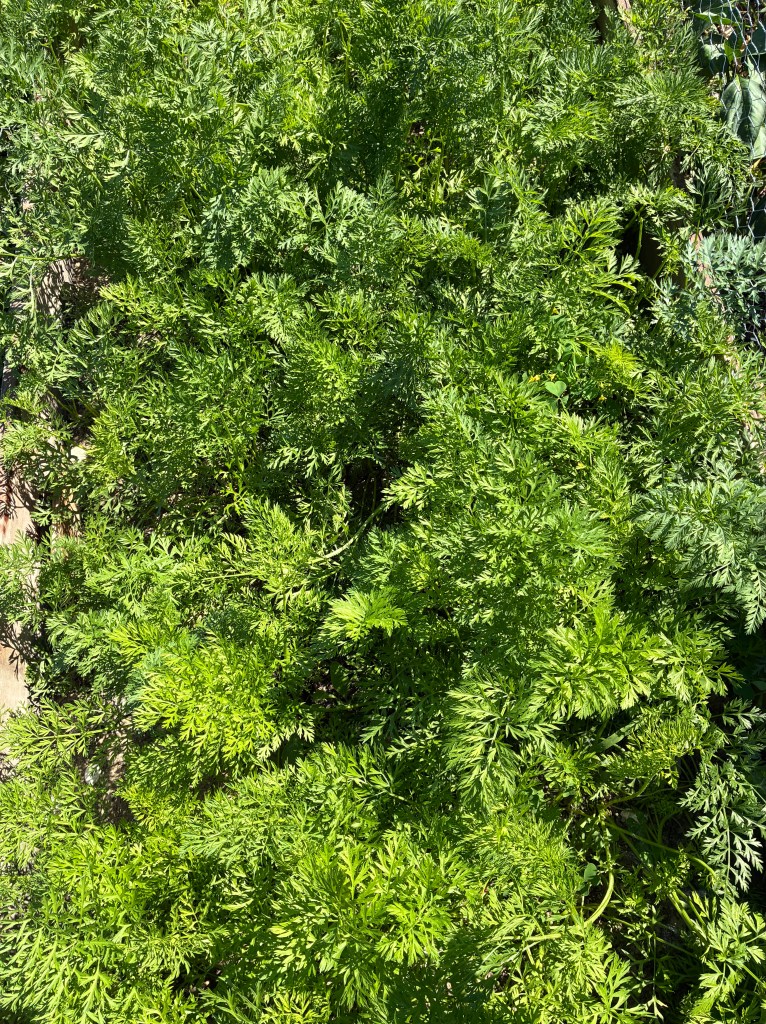
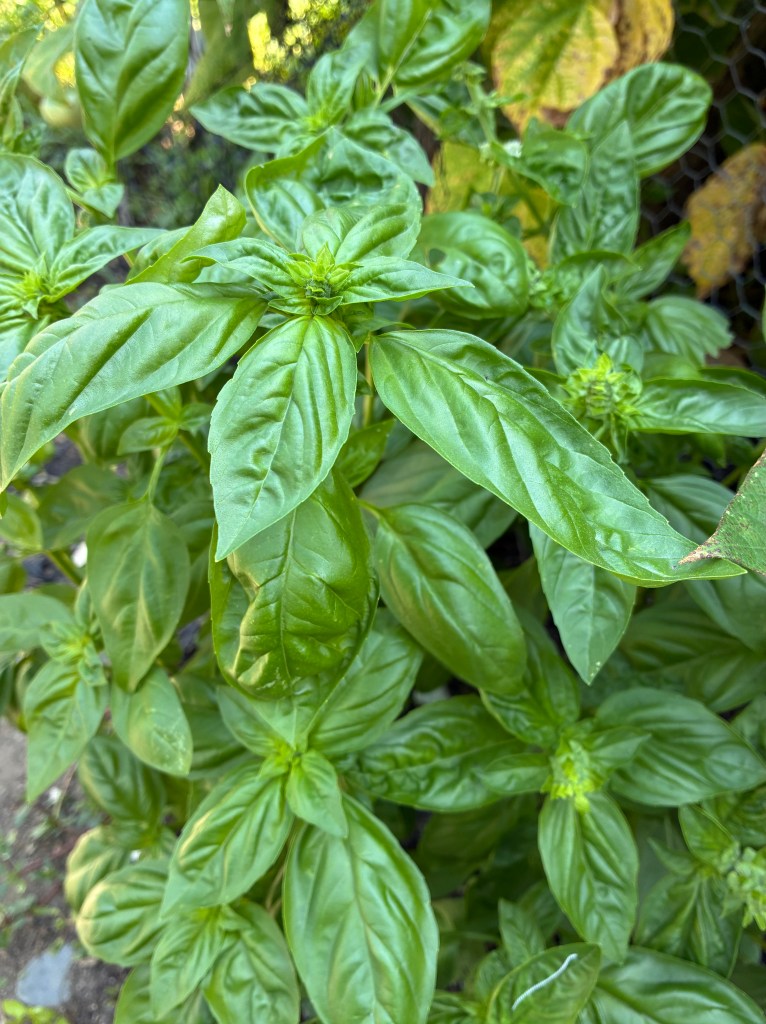
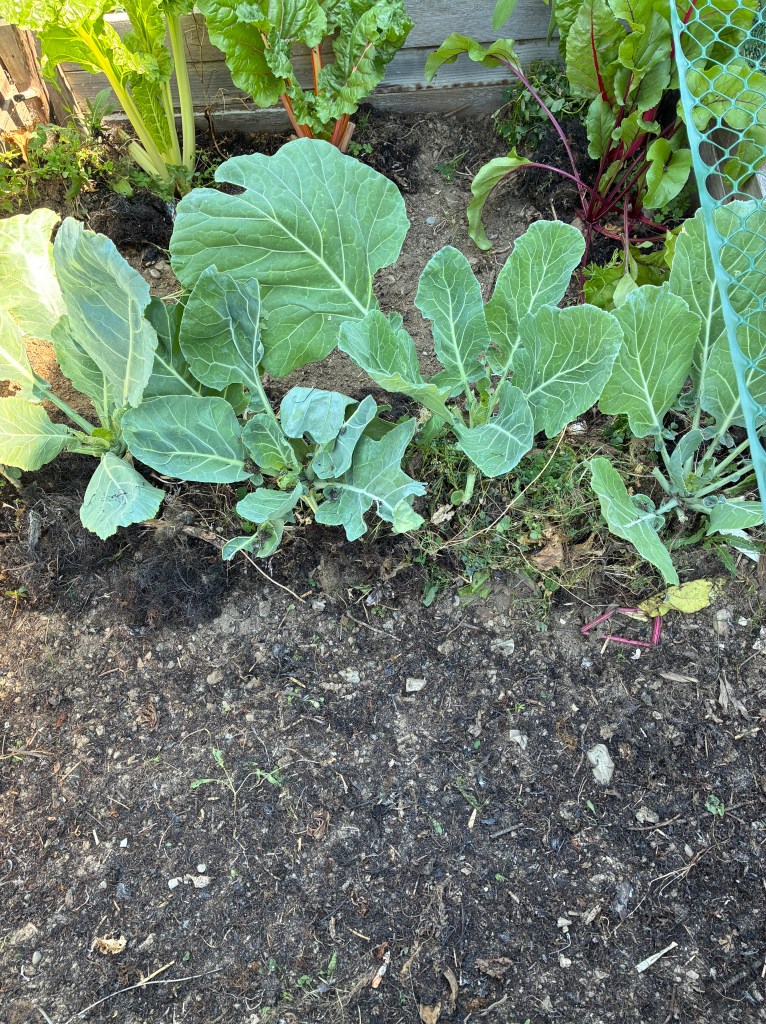
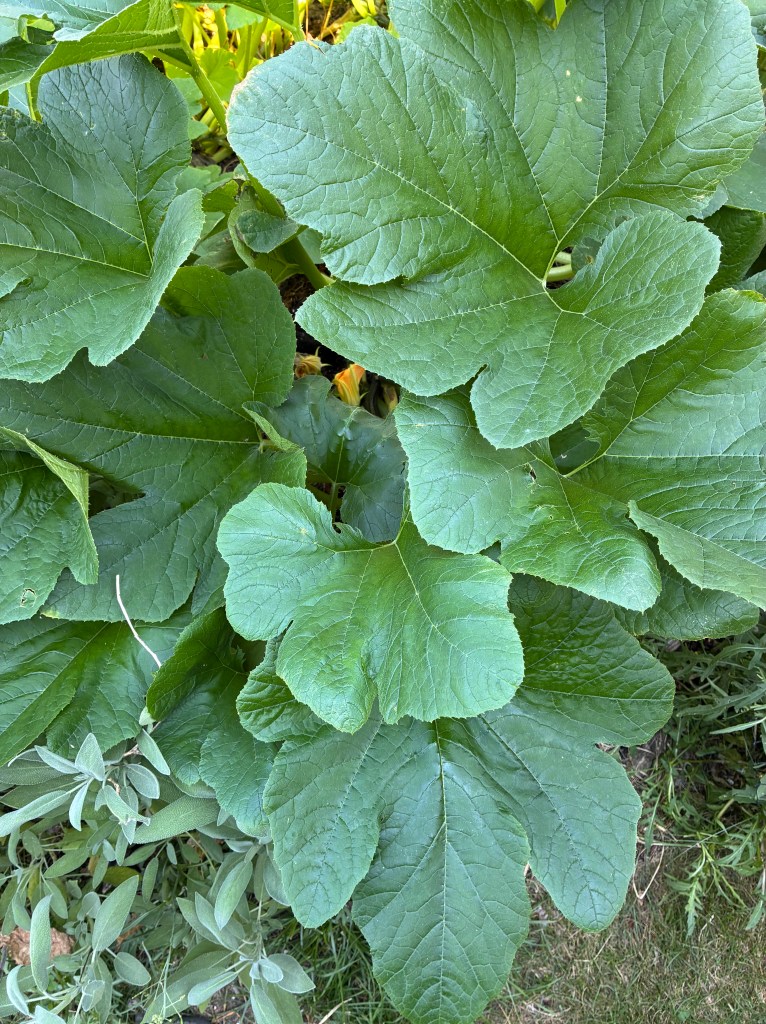
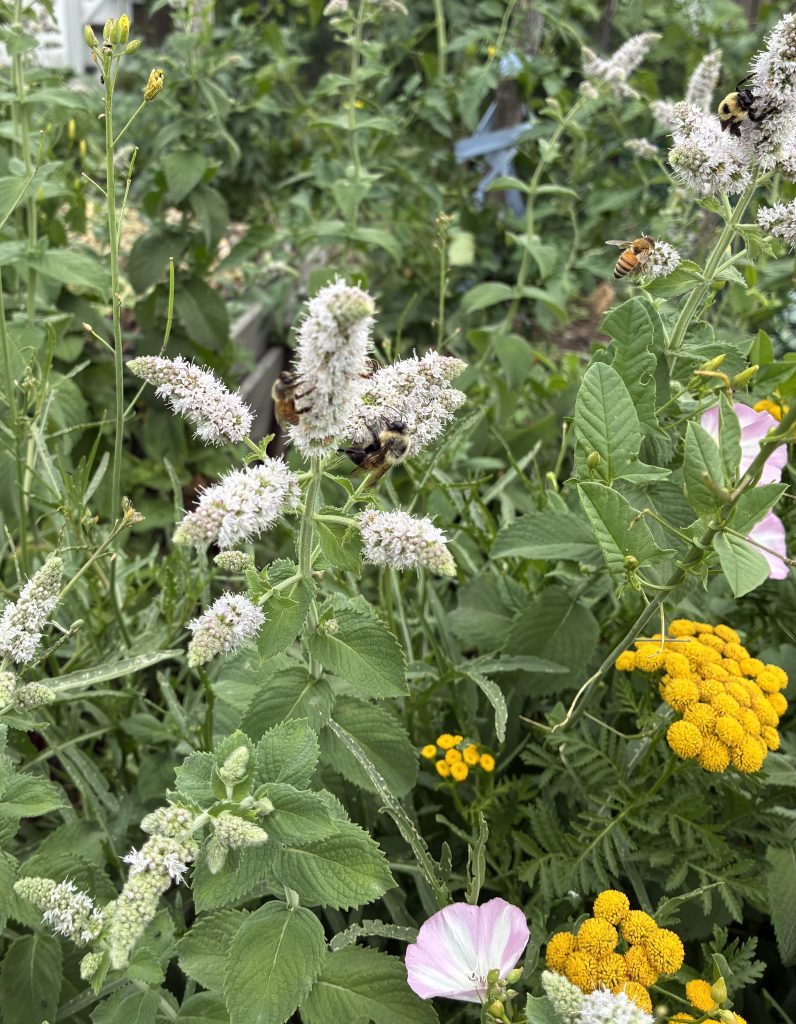
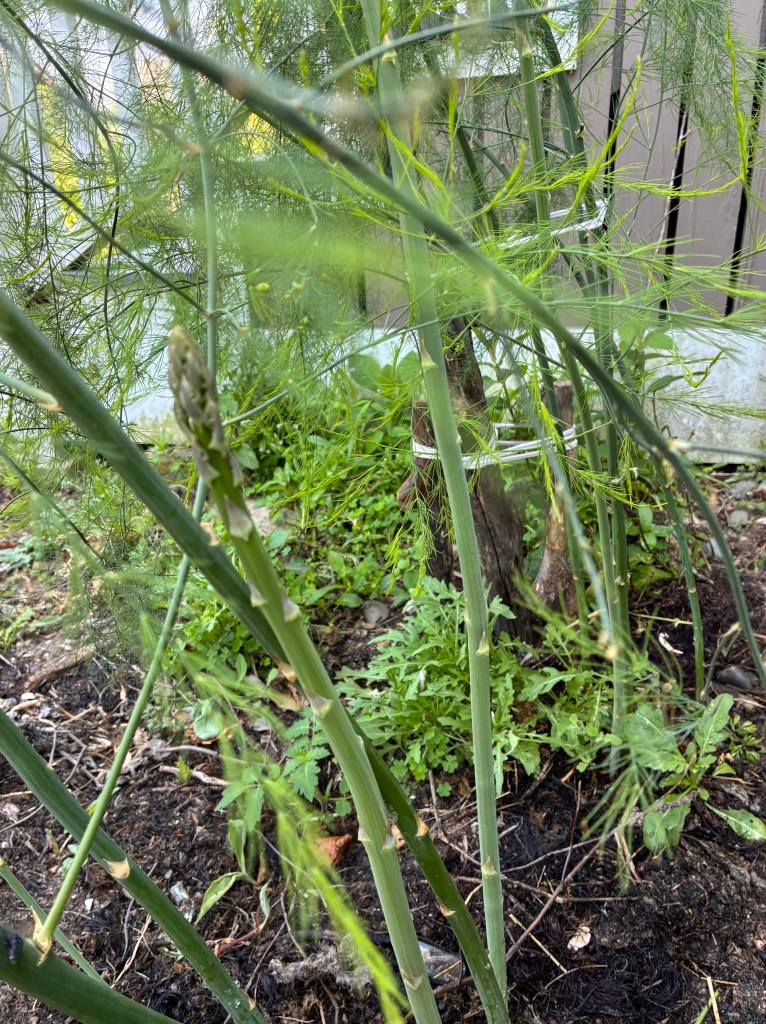
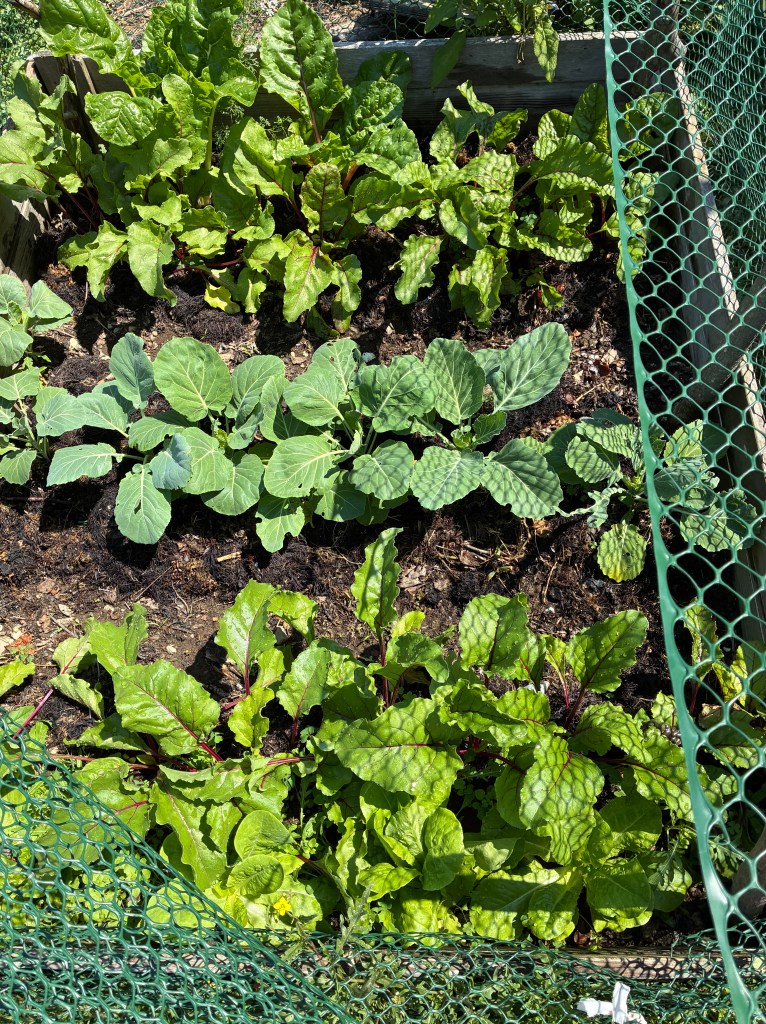
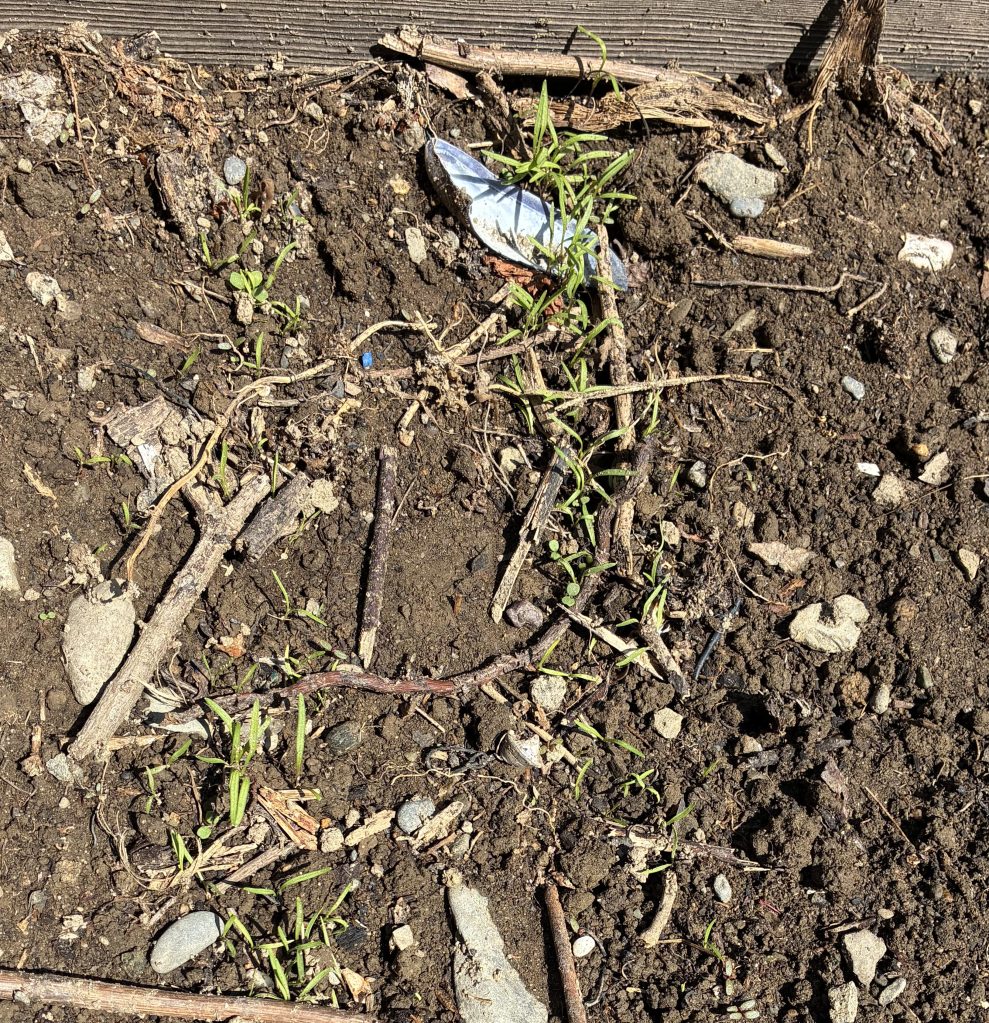
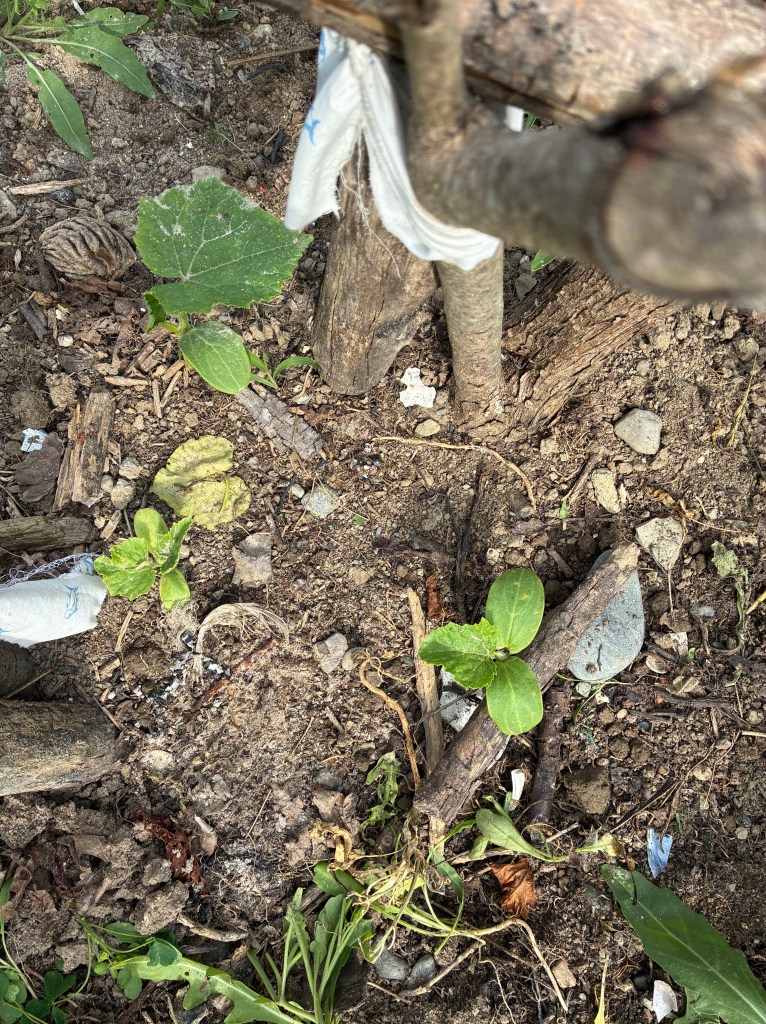
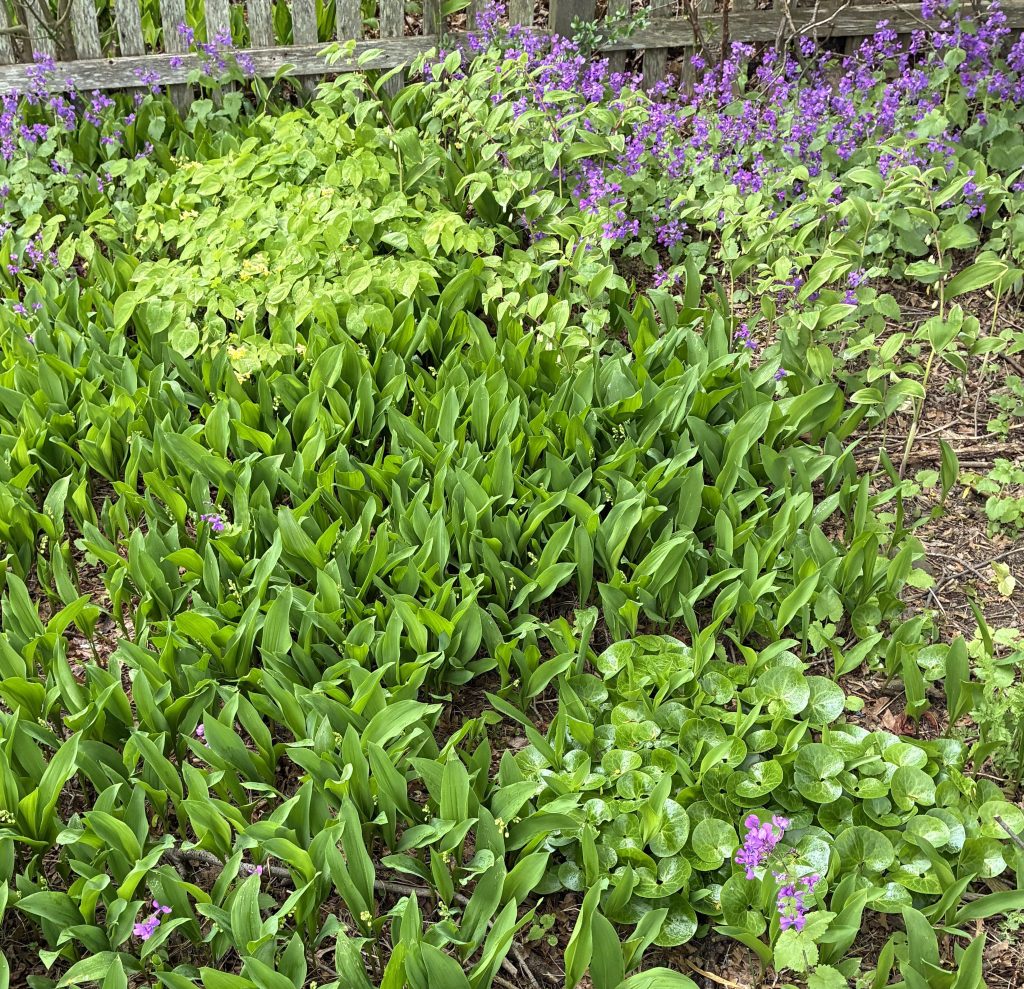
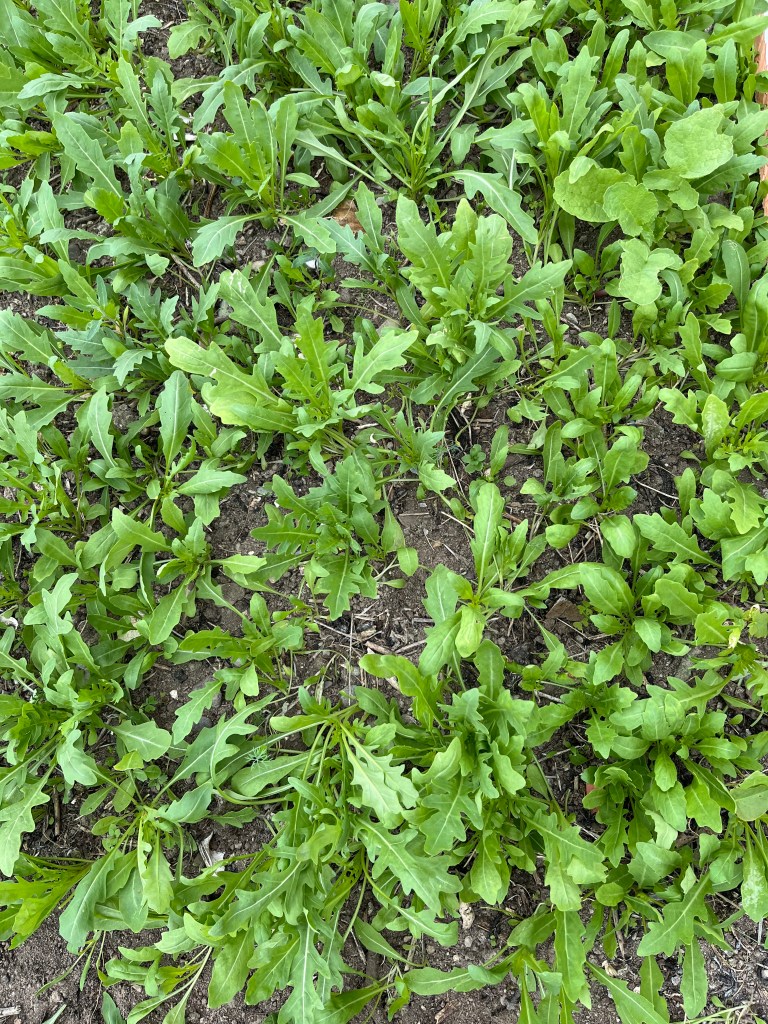
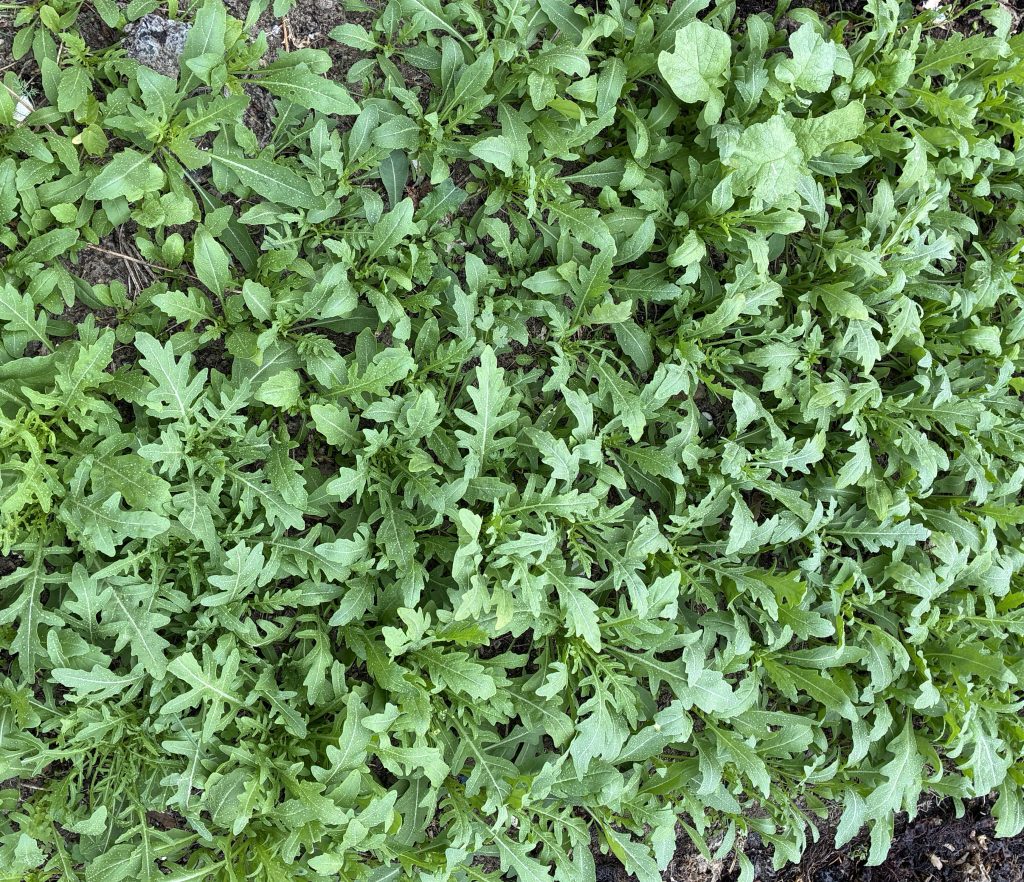
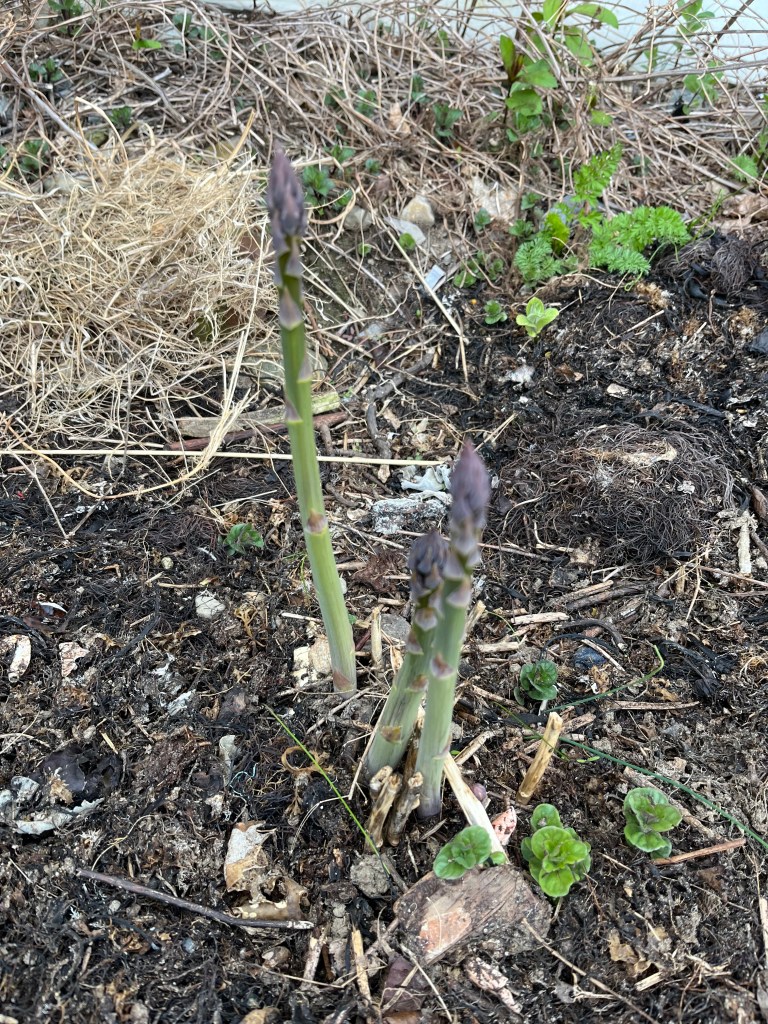
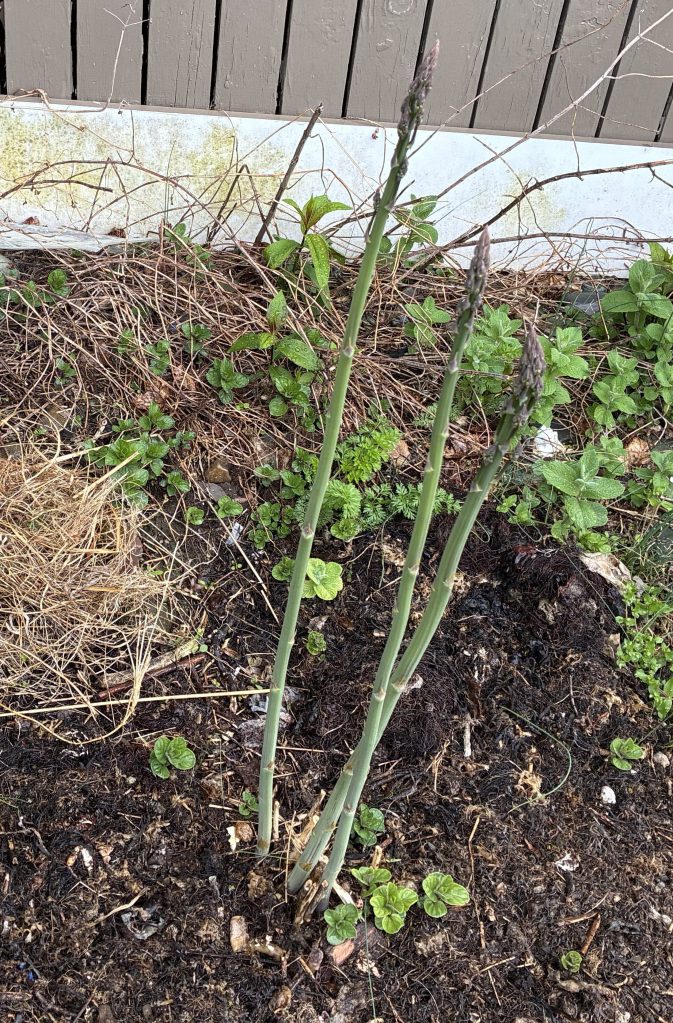
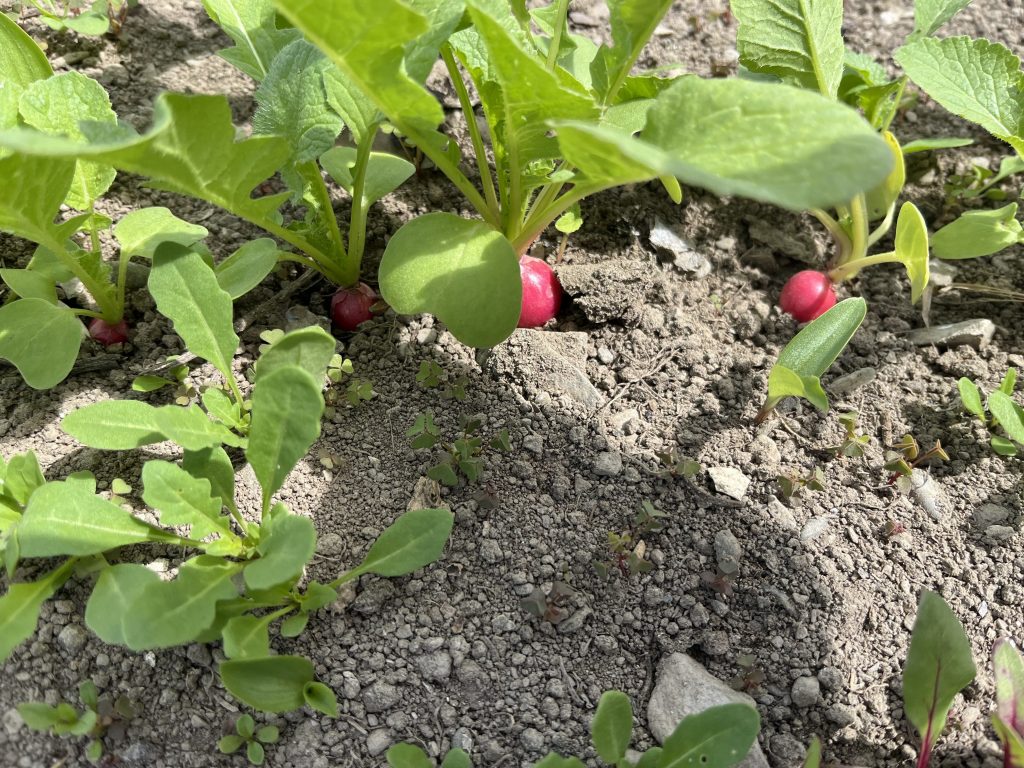
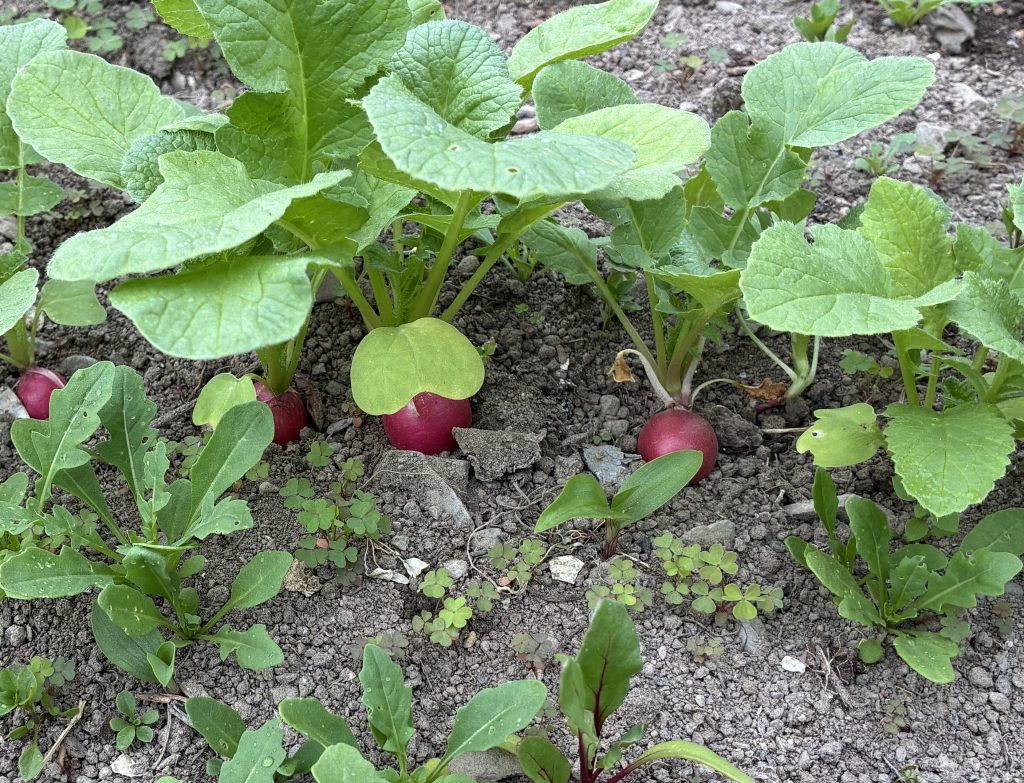
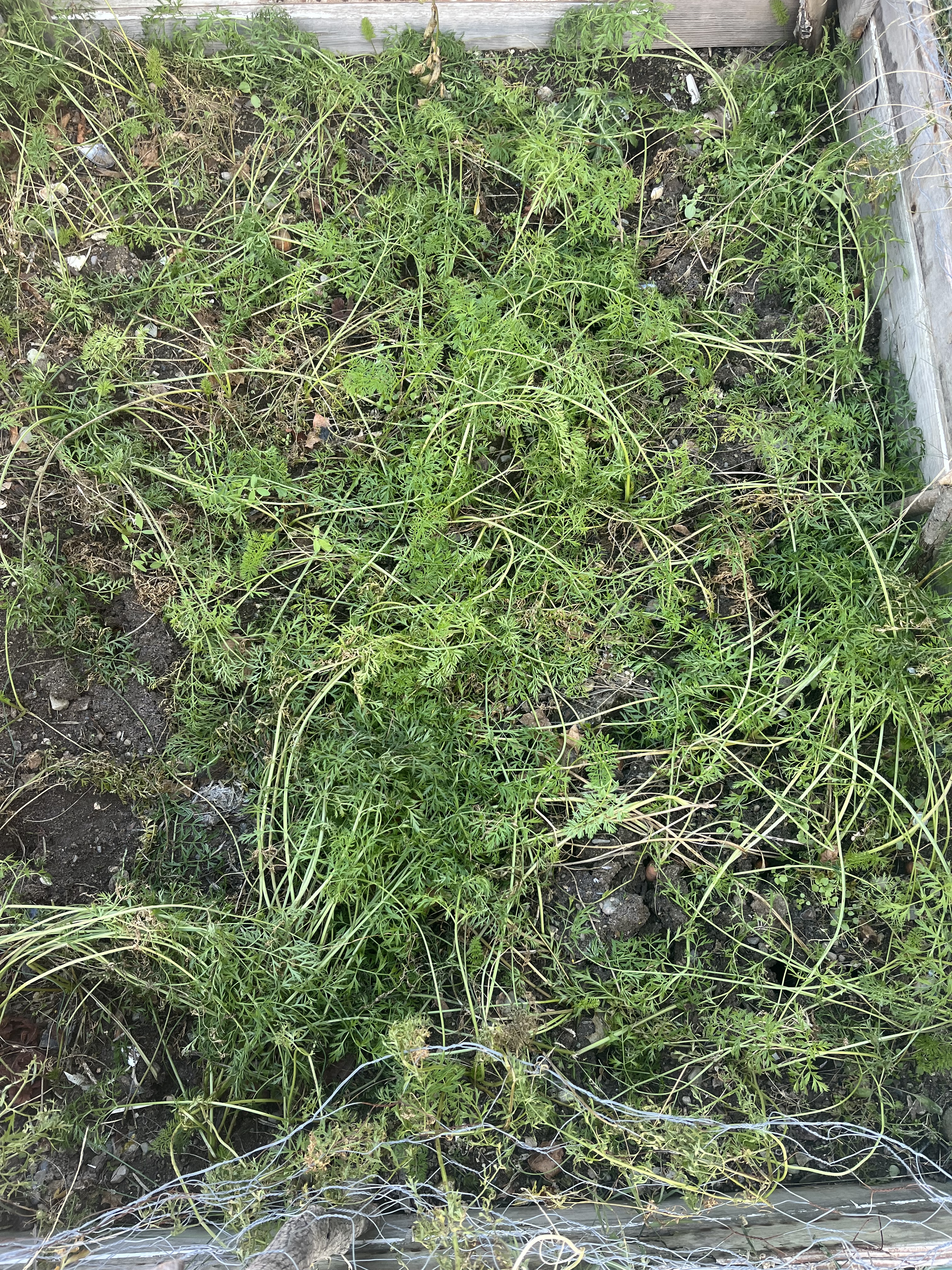
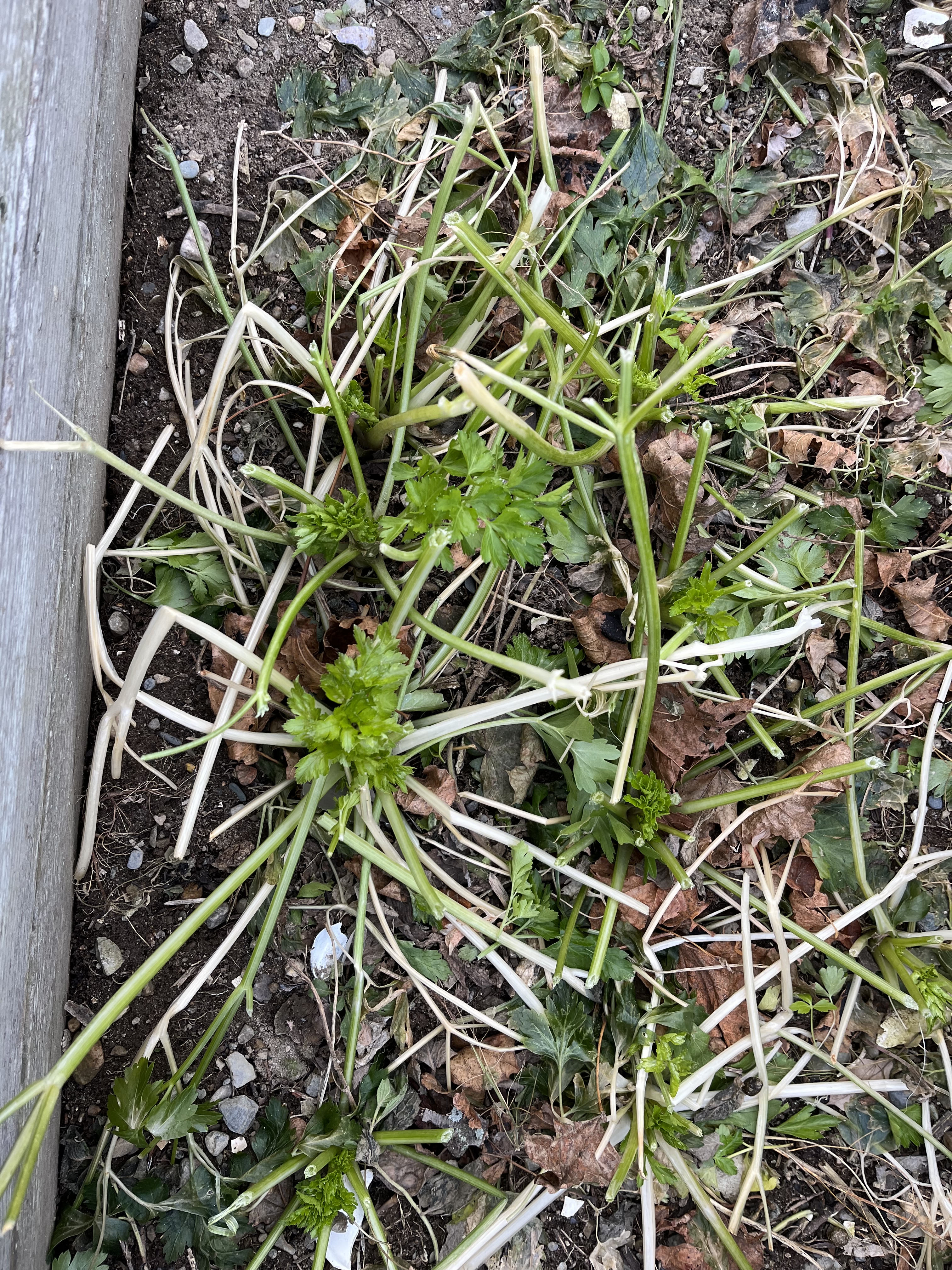
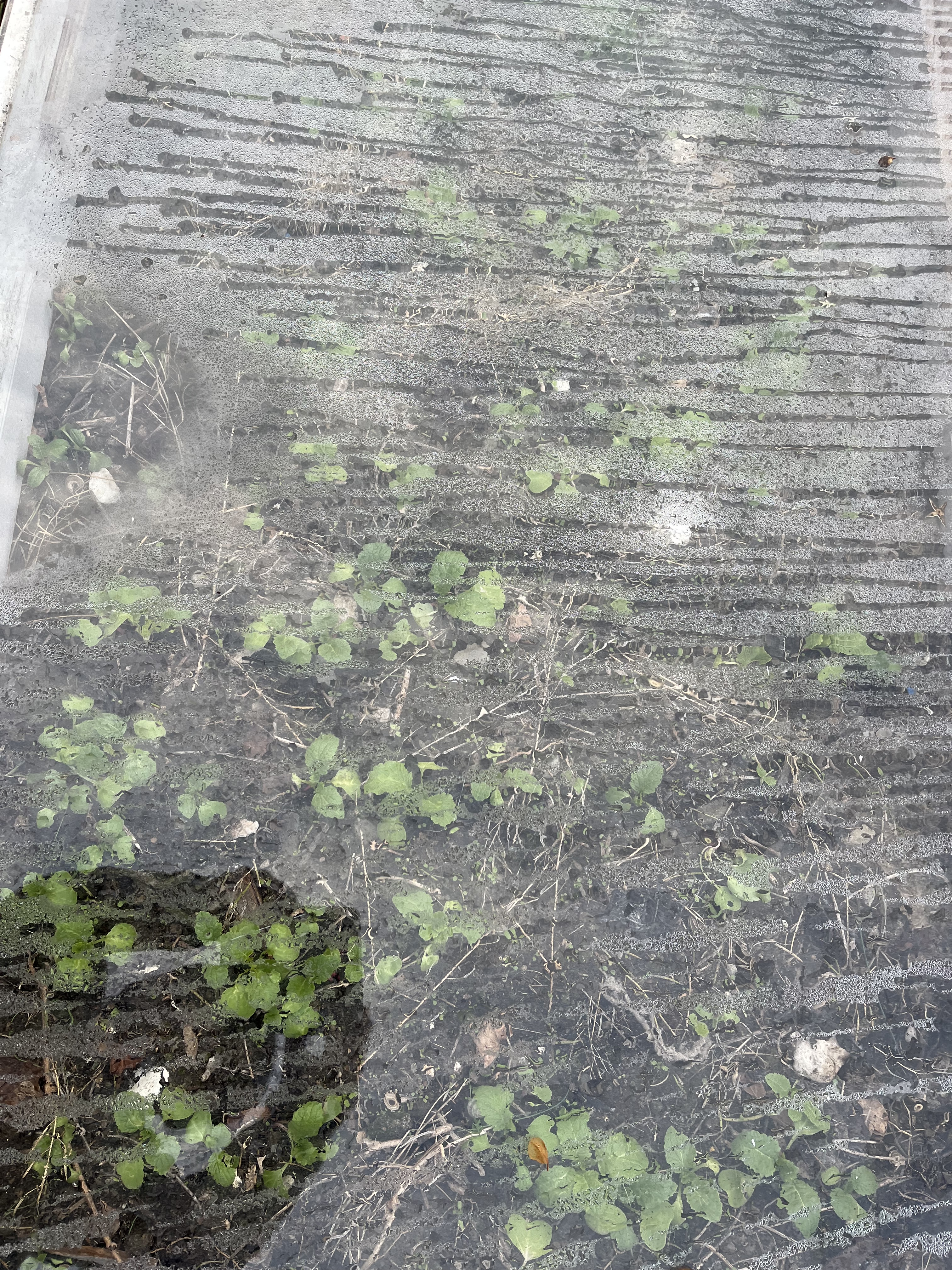
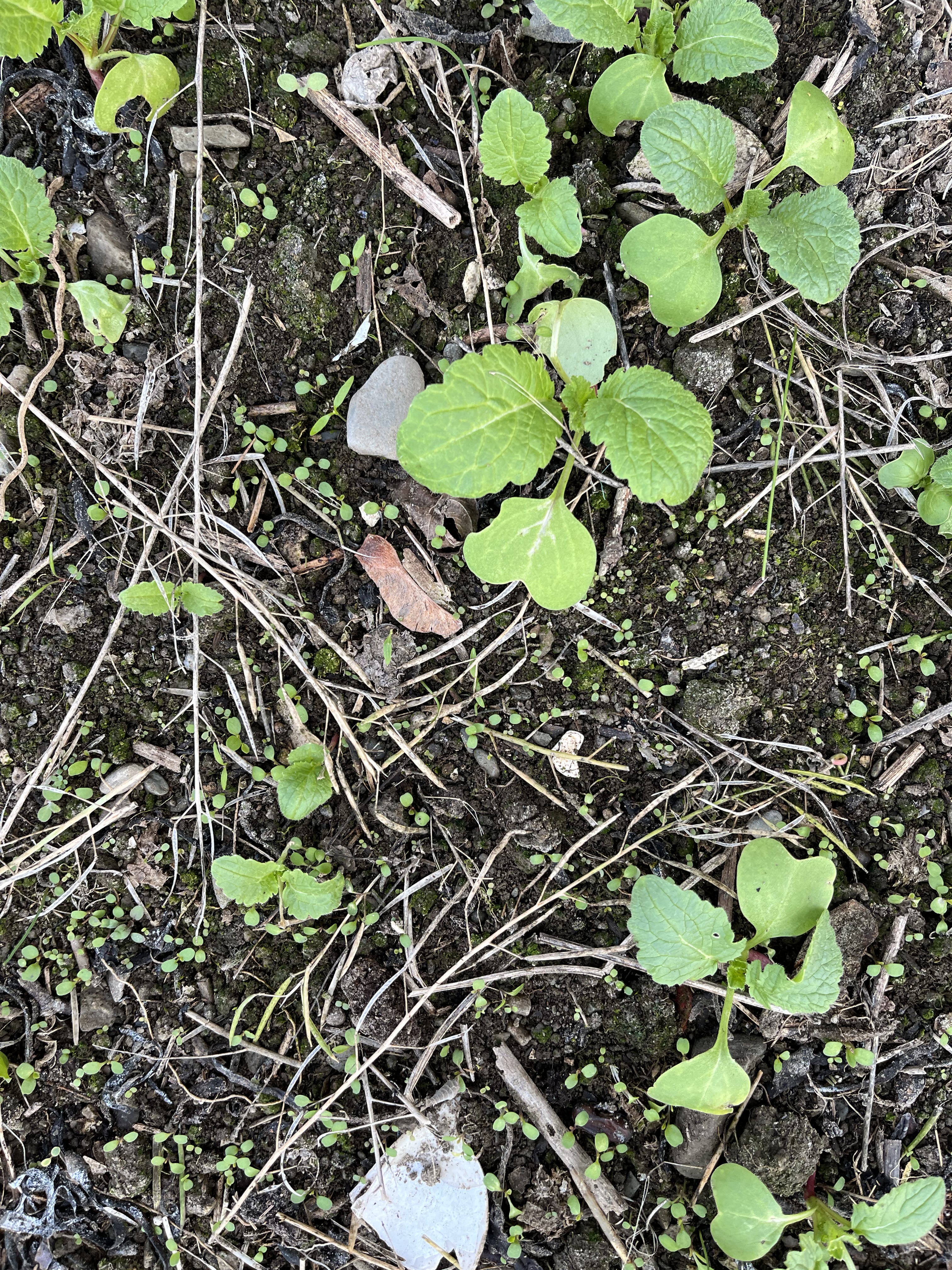
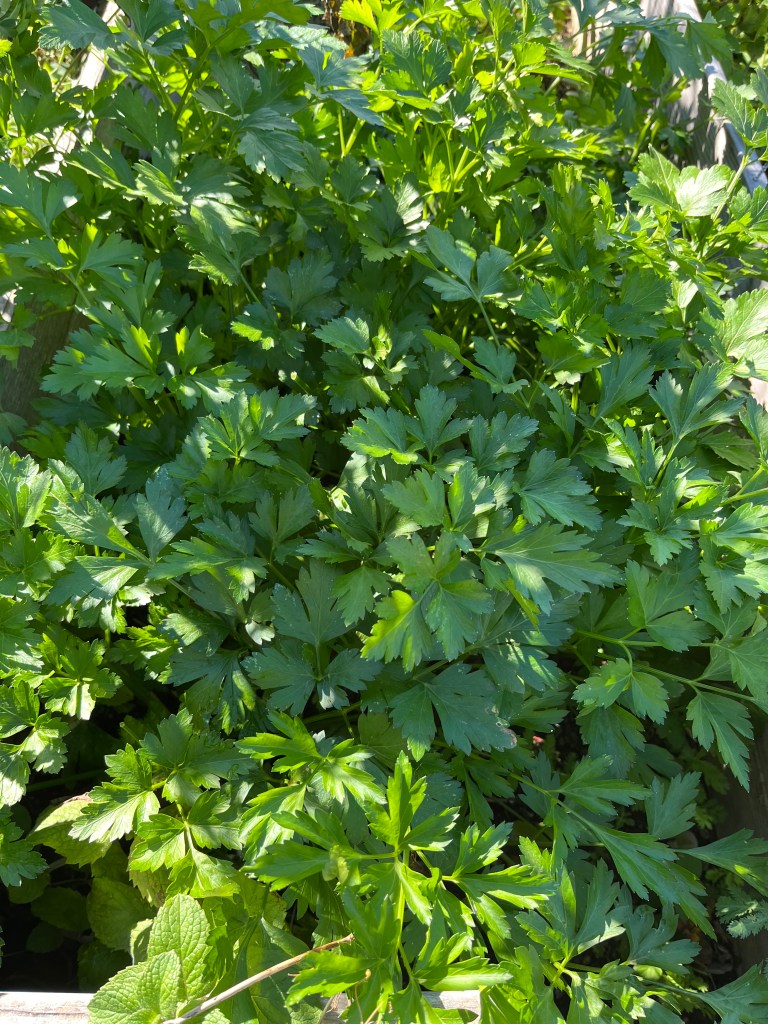
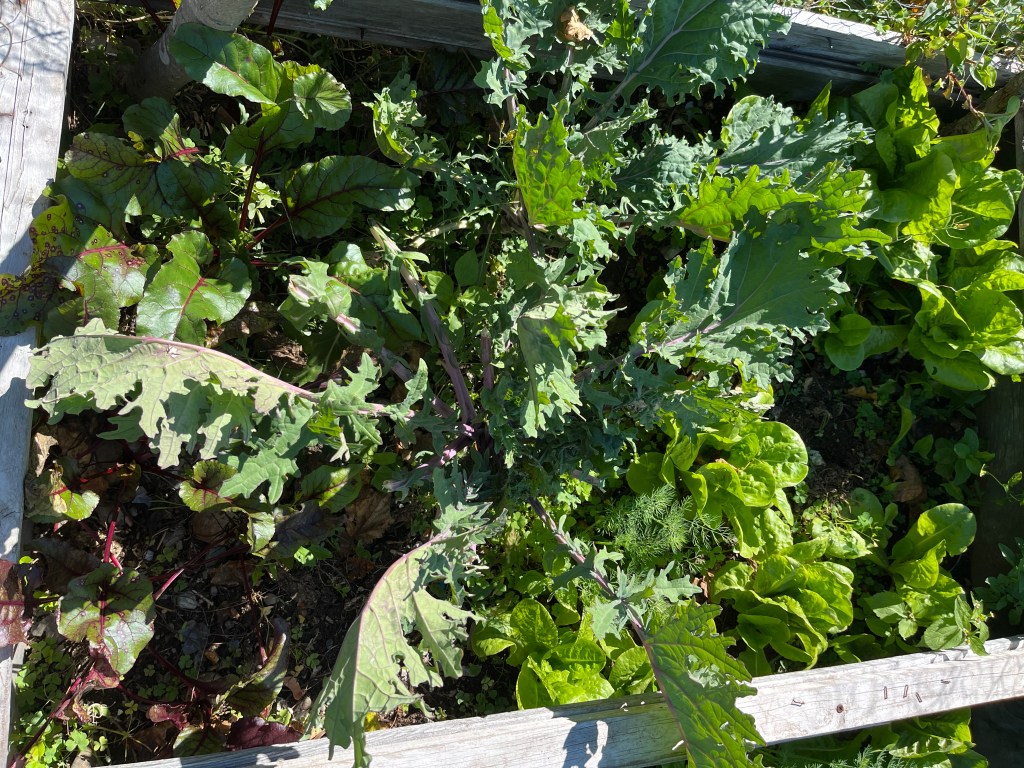
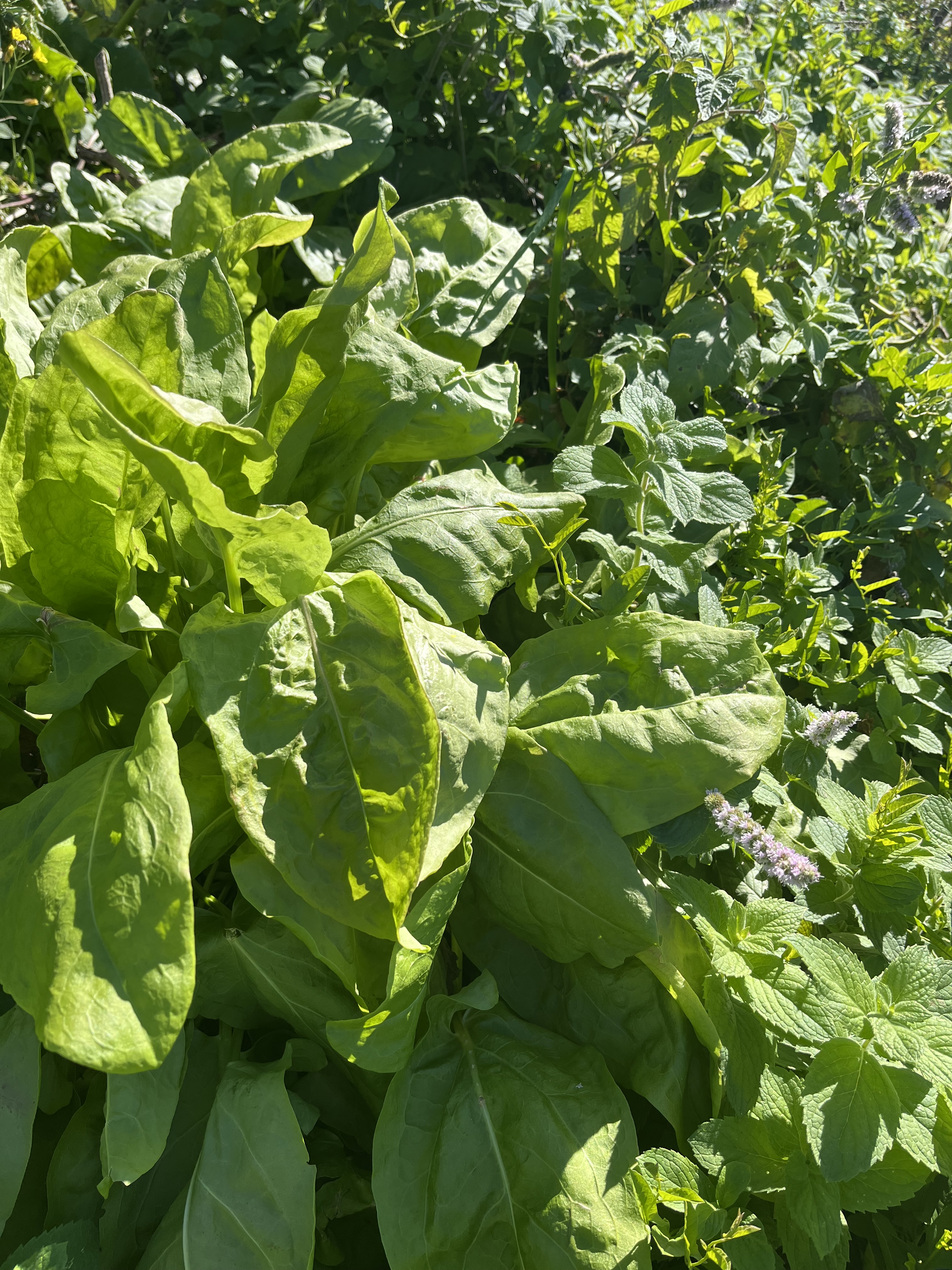
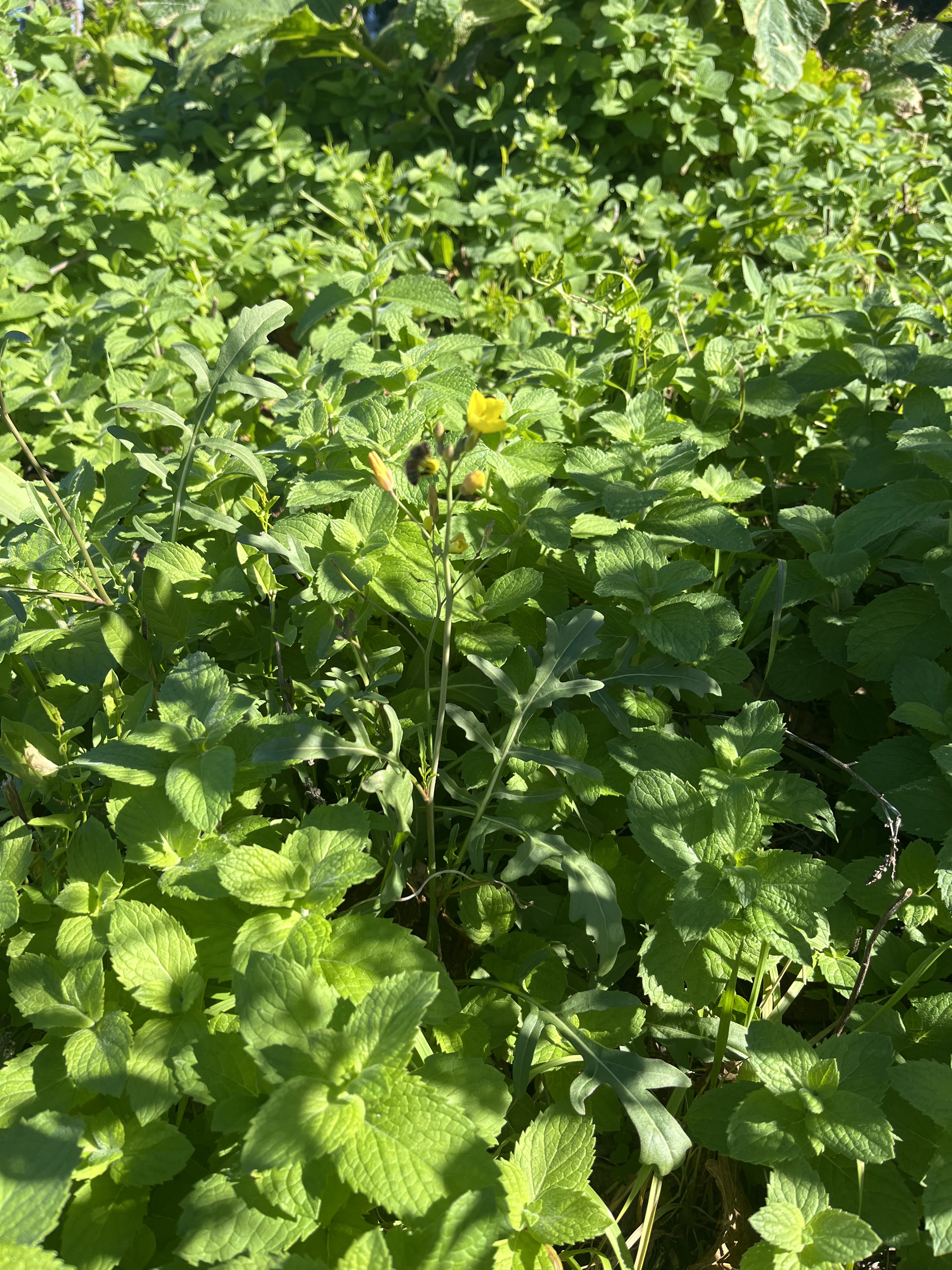
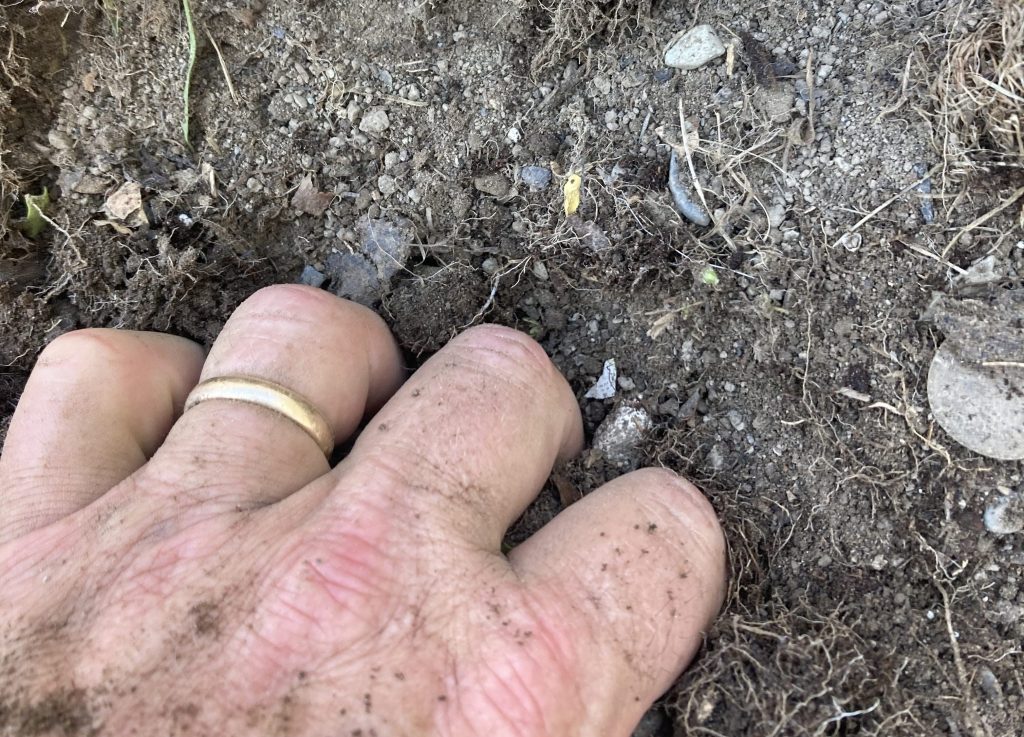
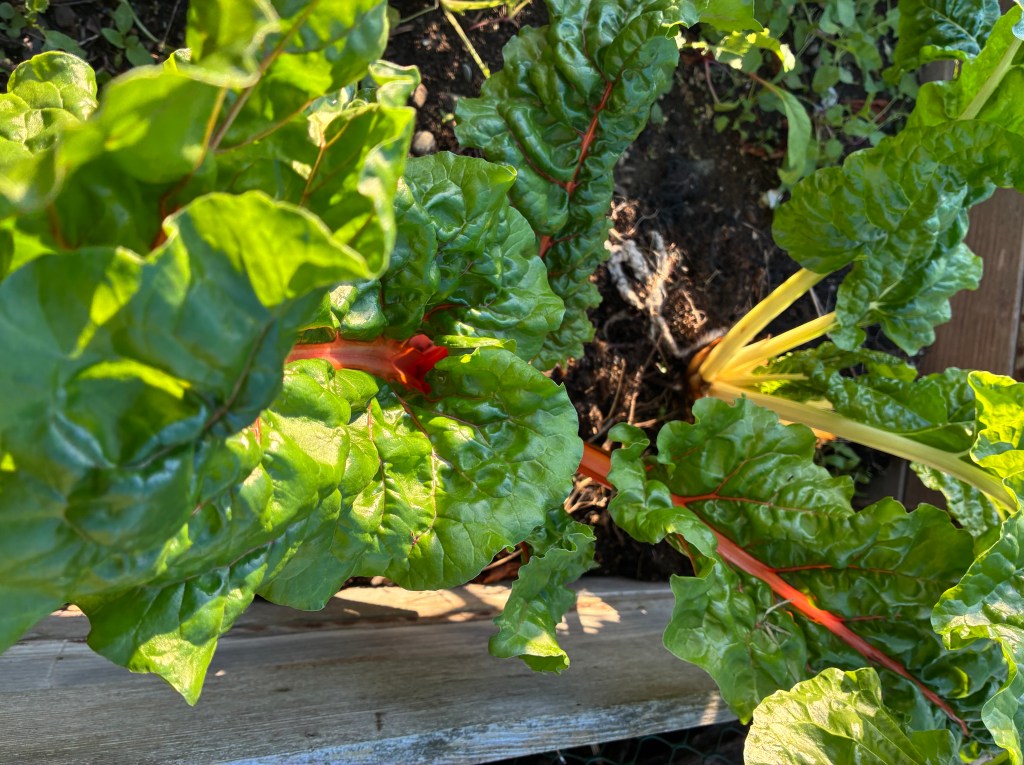
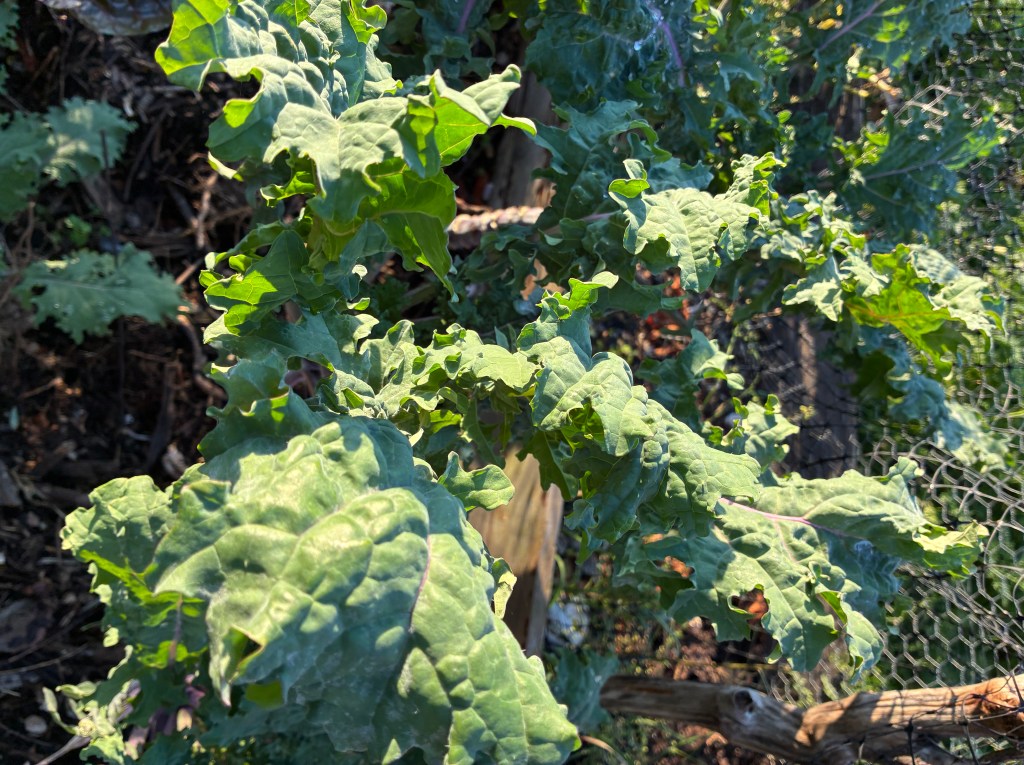
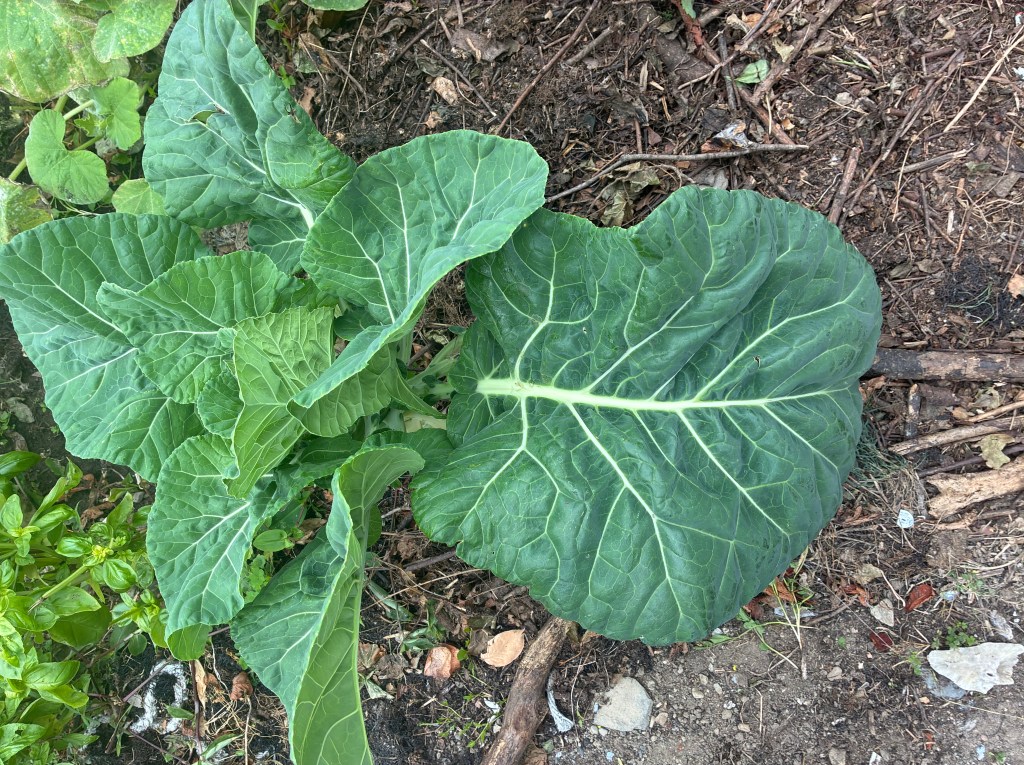
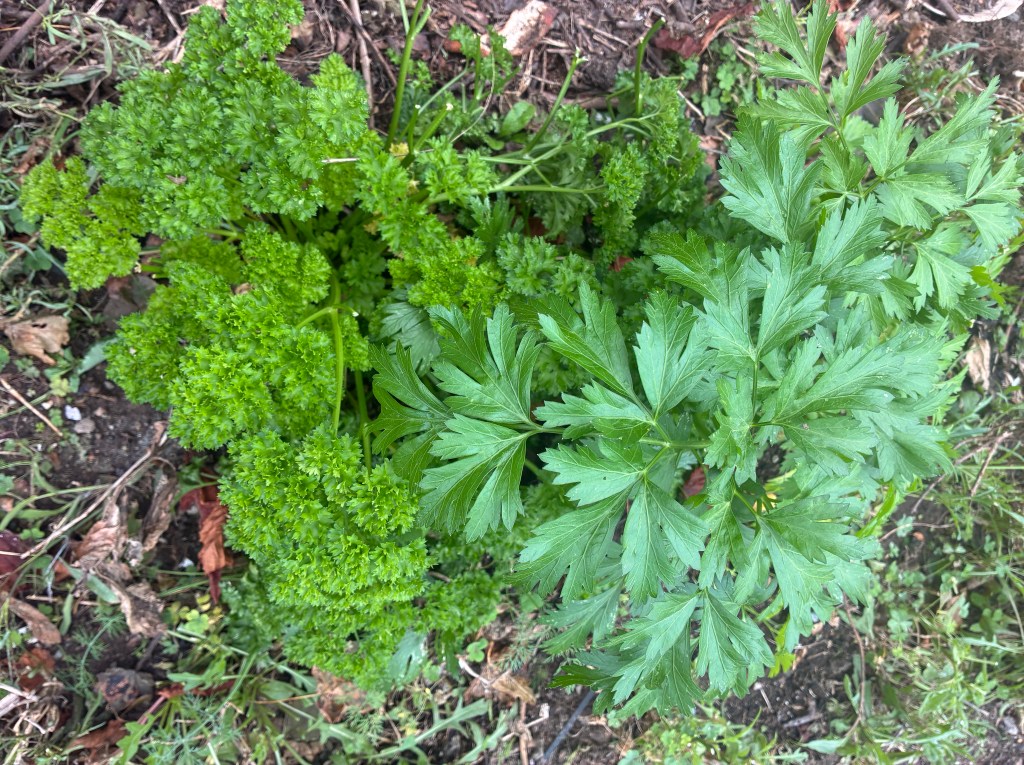
A garden, like a life is a cycle. There are times for the spring radish, and the mass of arugula, and other times for tomatoes, and cucumbers, and a time for collards, parsley, and hope for fall radishes. The two photographs above all feature plants that could make more but might not, depending on what the weather is like in the next six weeks. It is not their time, but the drive to make seeds is inherent in plants, and even if the calendar is against them, they will try.
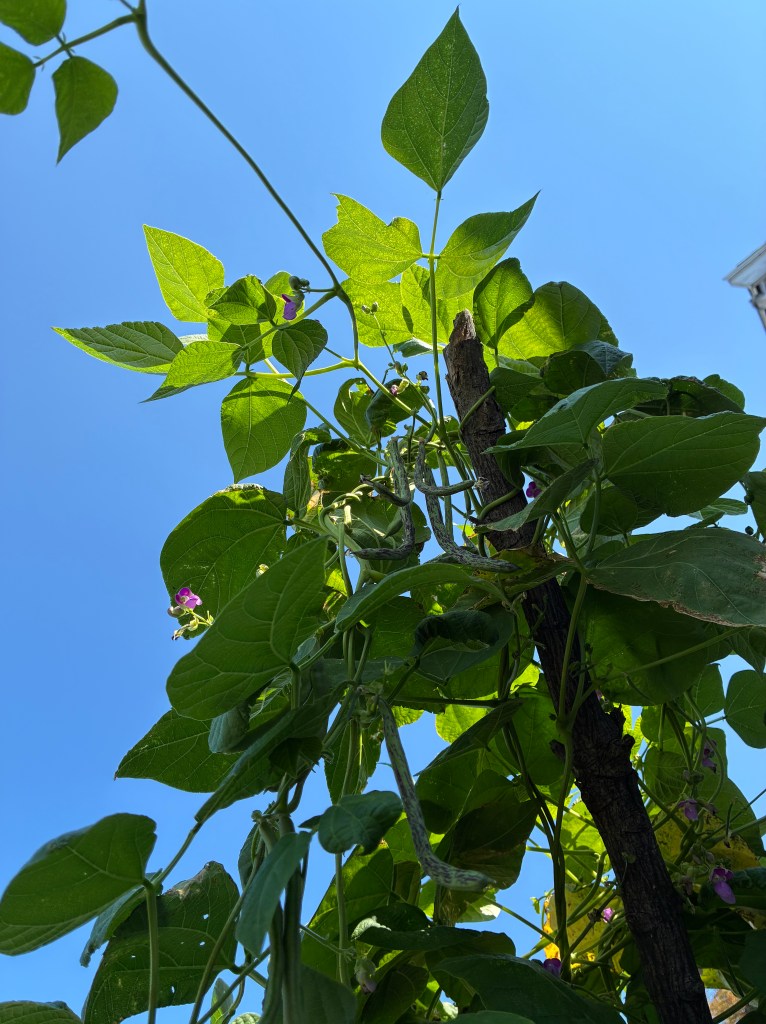
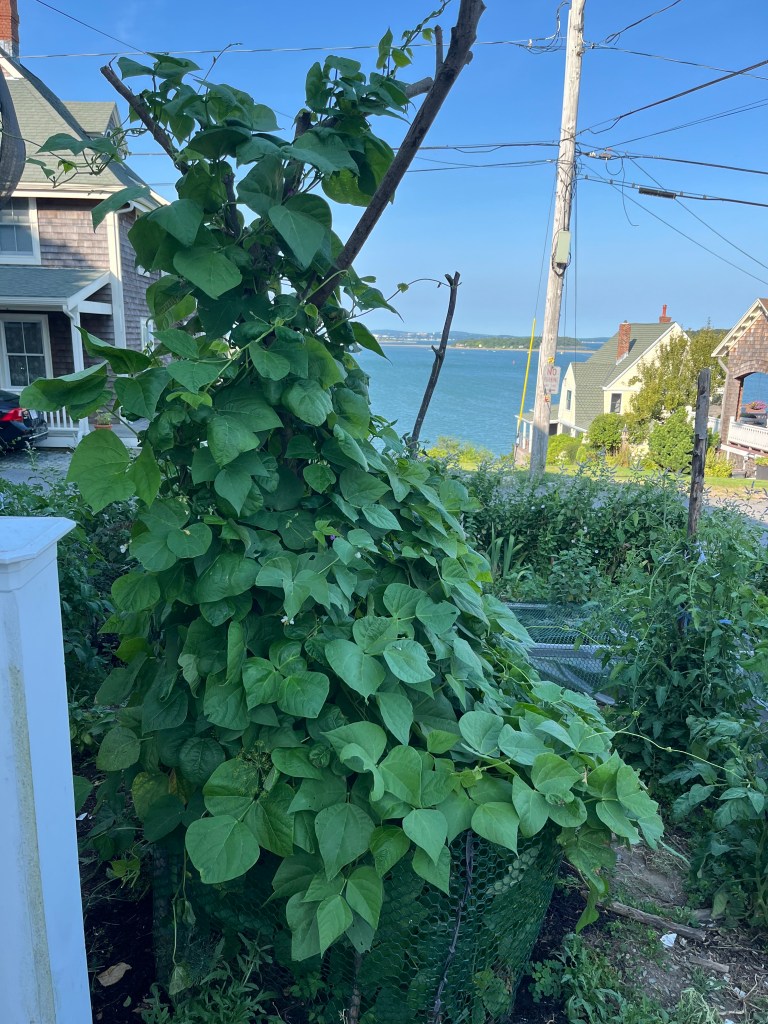
I had a decision to make this weekend: do I pull the Rattlesnake Beans or do I wait two weeks? I decided to wait two weeks. That was probably not the right choice, as I could have put in some seeds and put down a cold frame, and those two weeks would have been the two weeks with the most light until the beginning of March. But I love Rattlesnake beans, so I decided to give them a little more time.
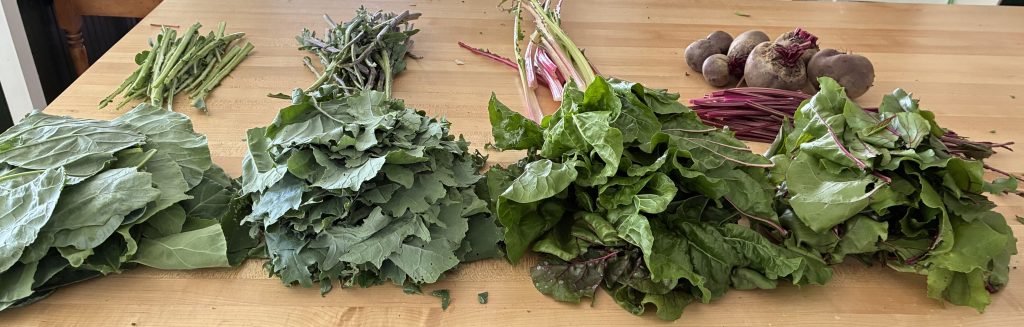
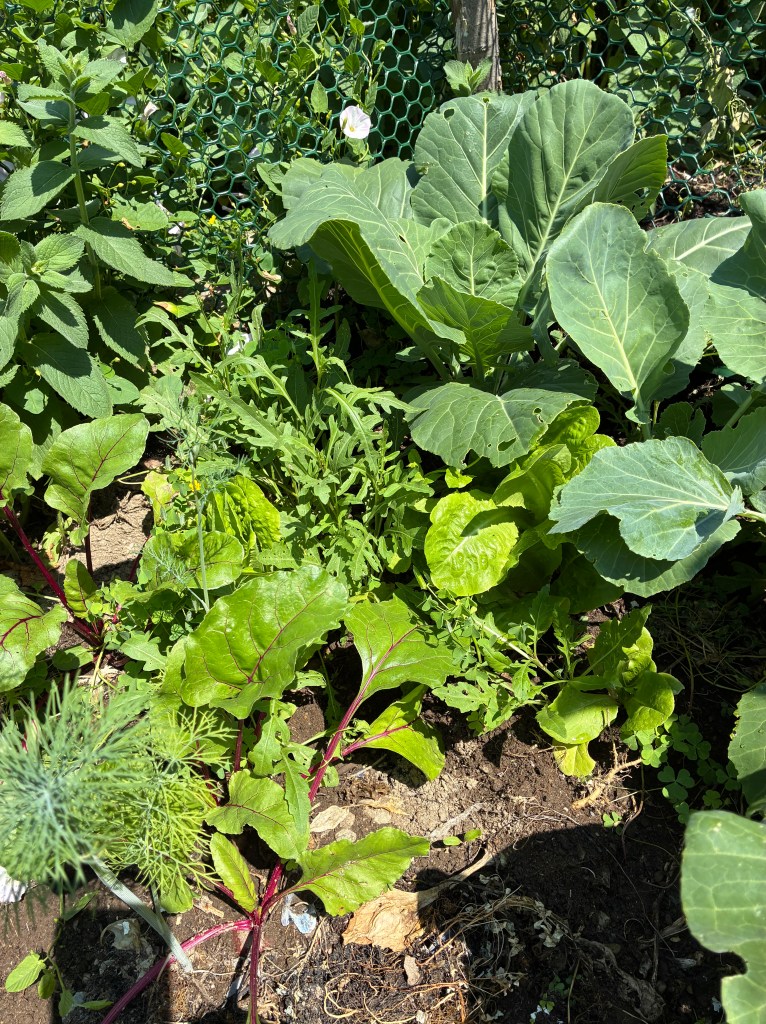
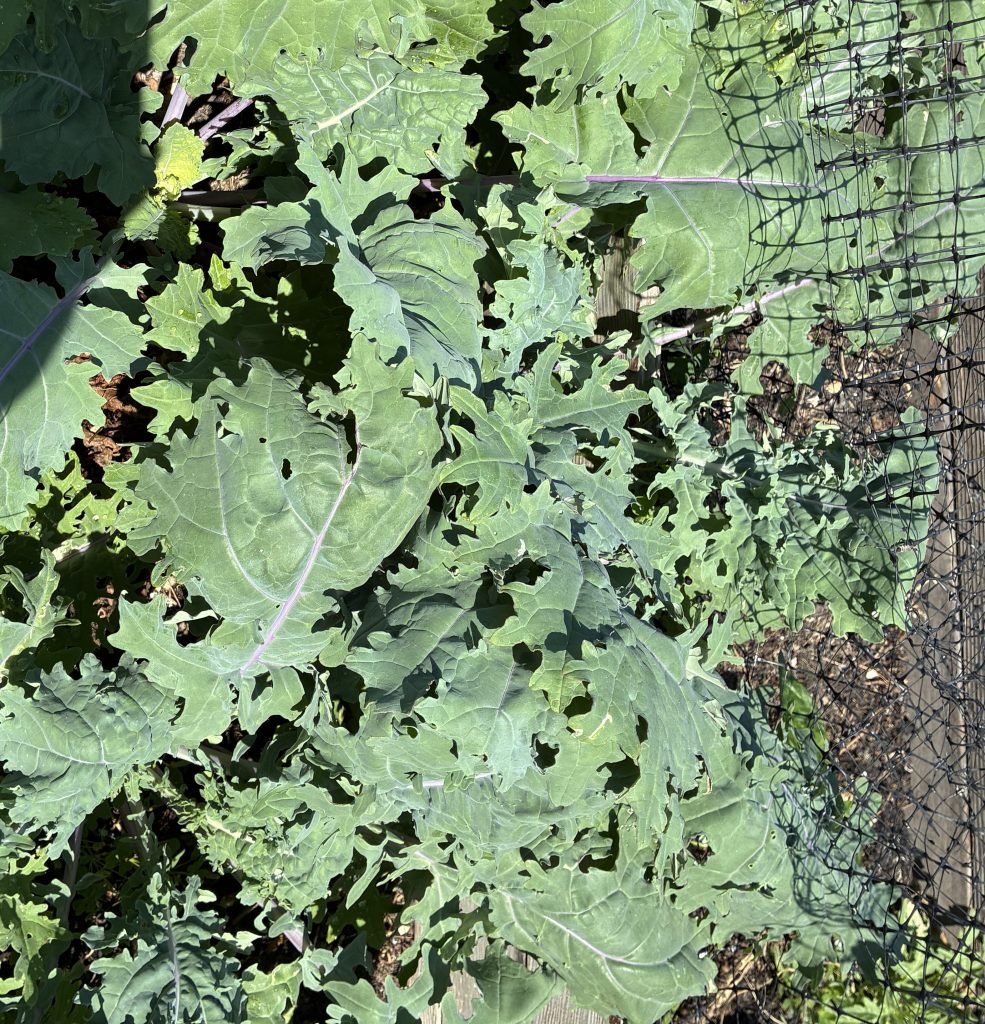
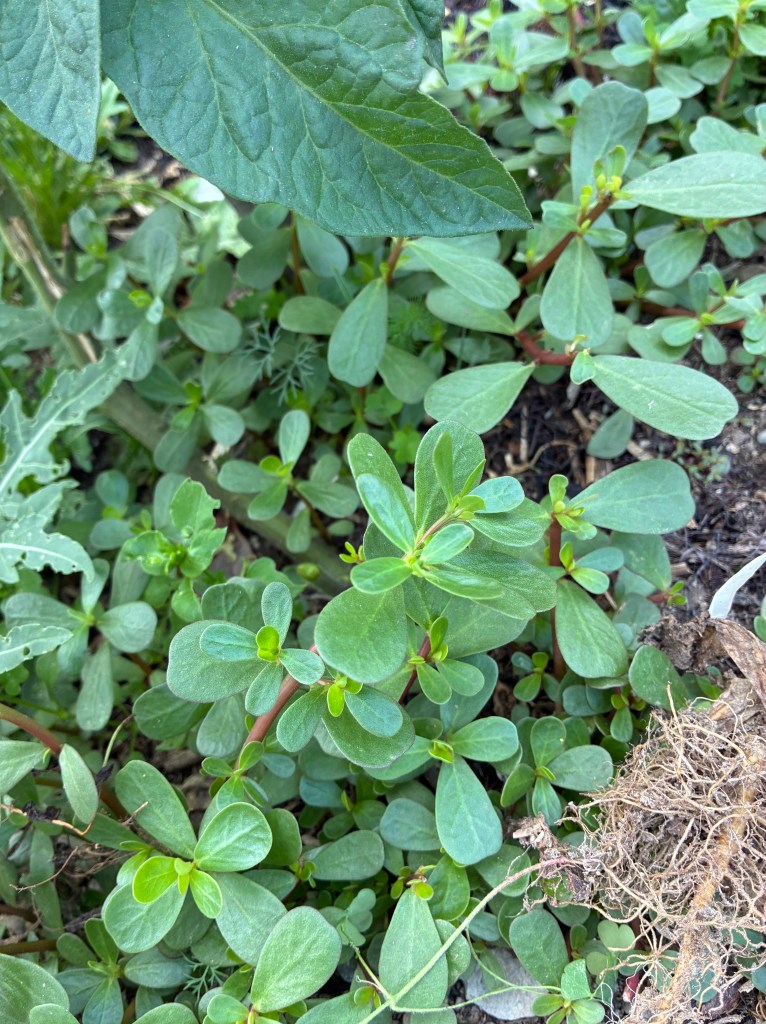
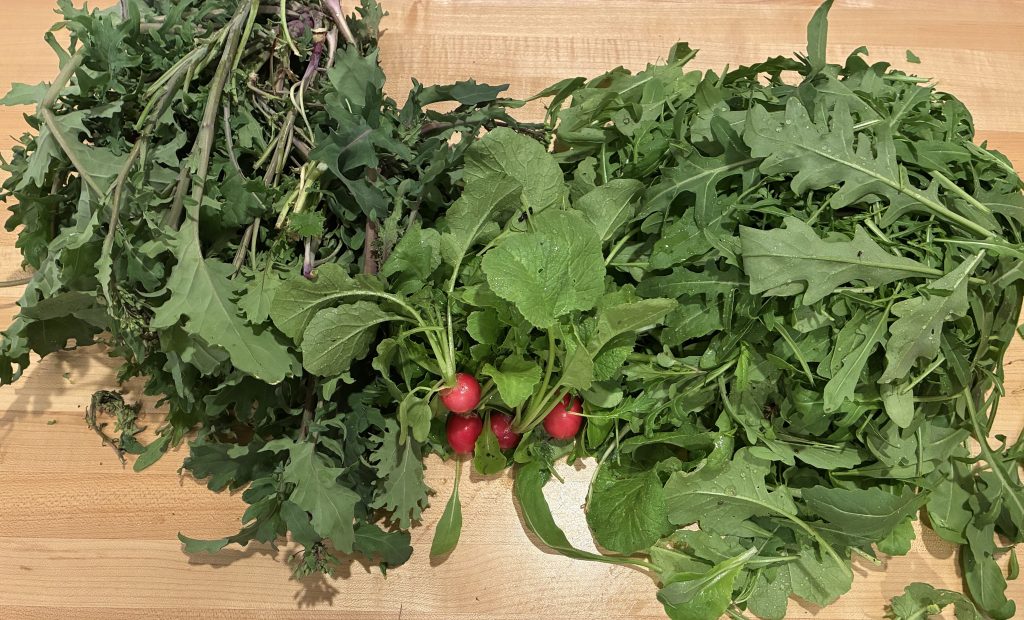
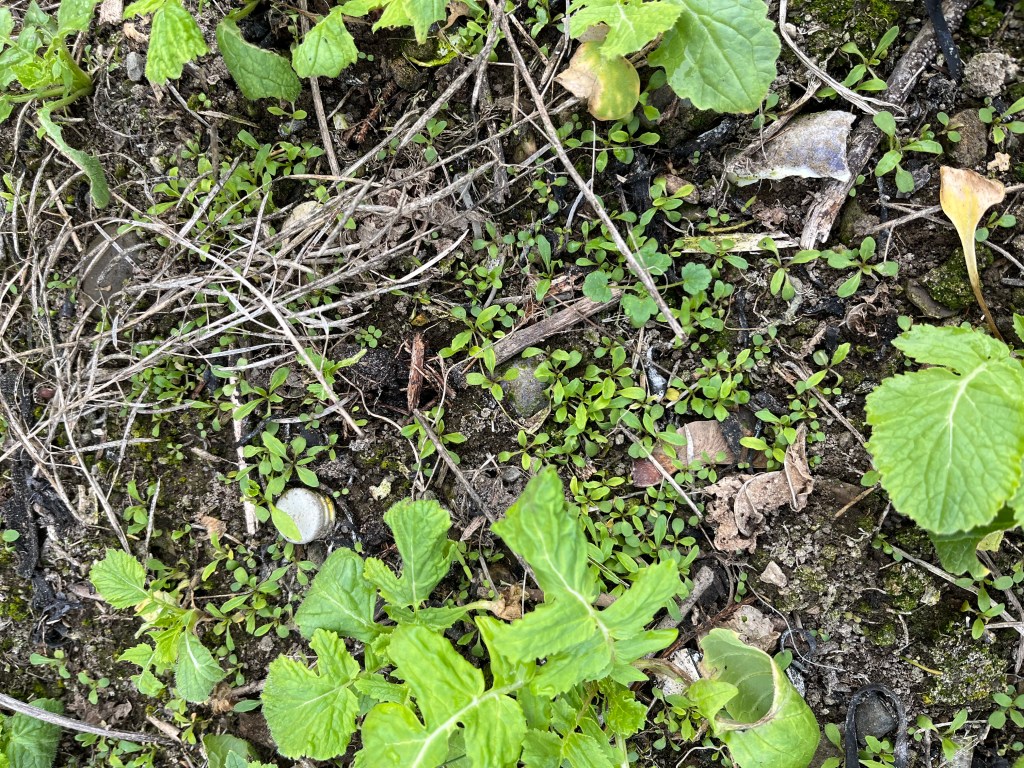
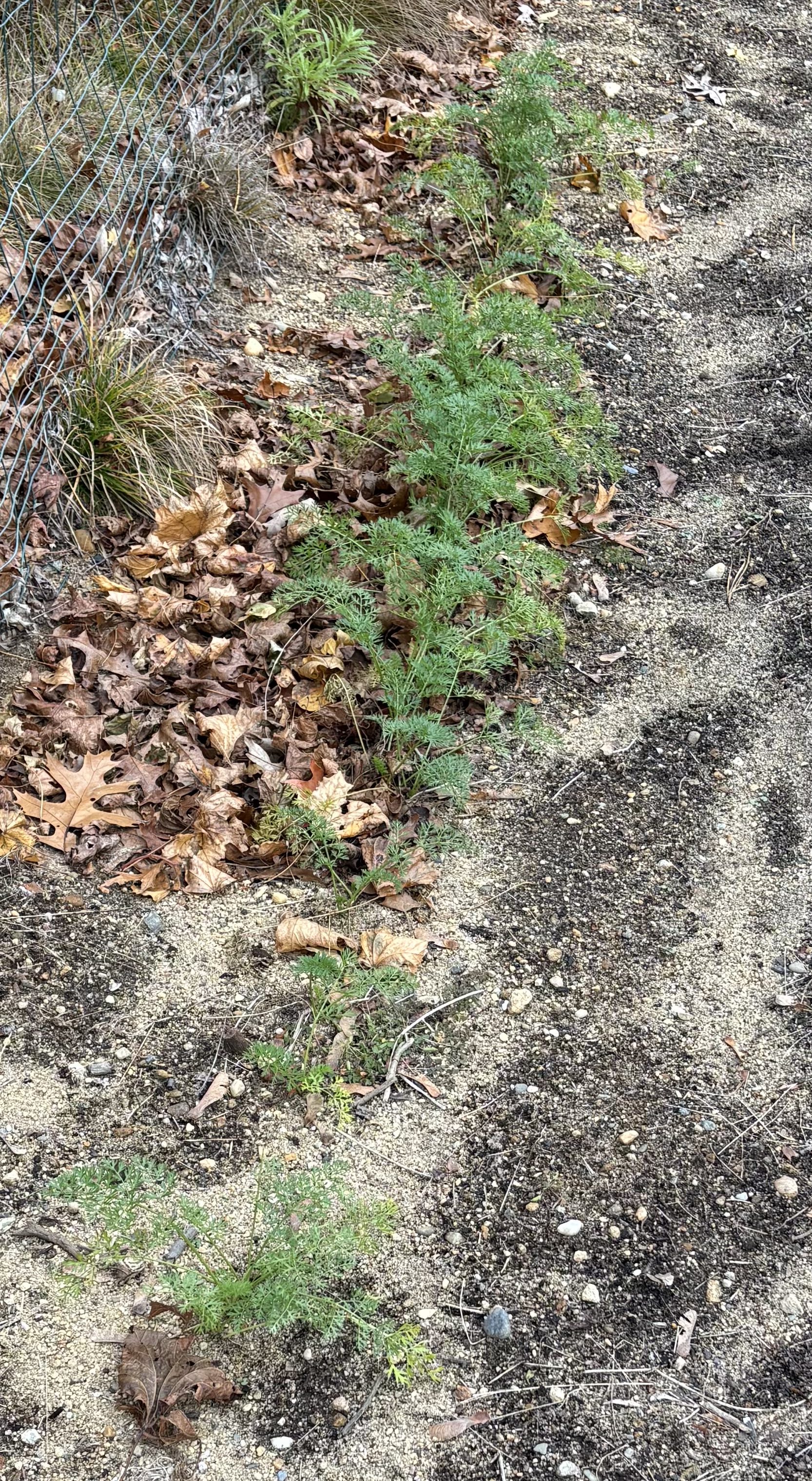
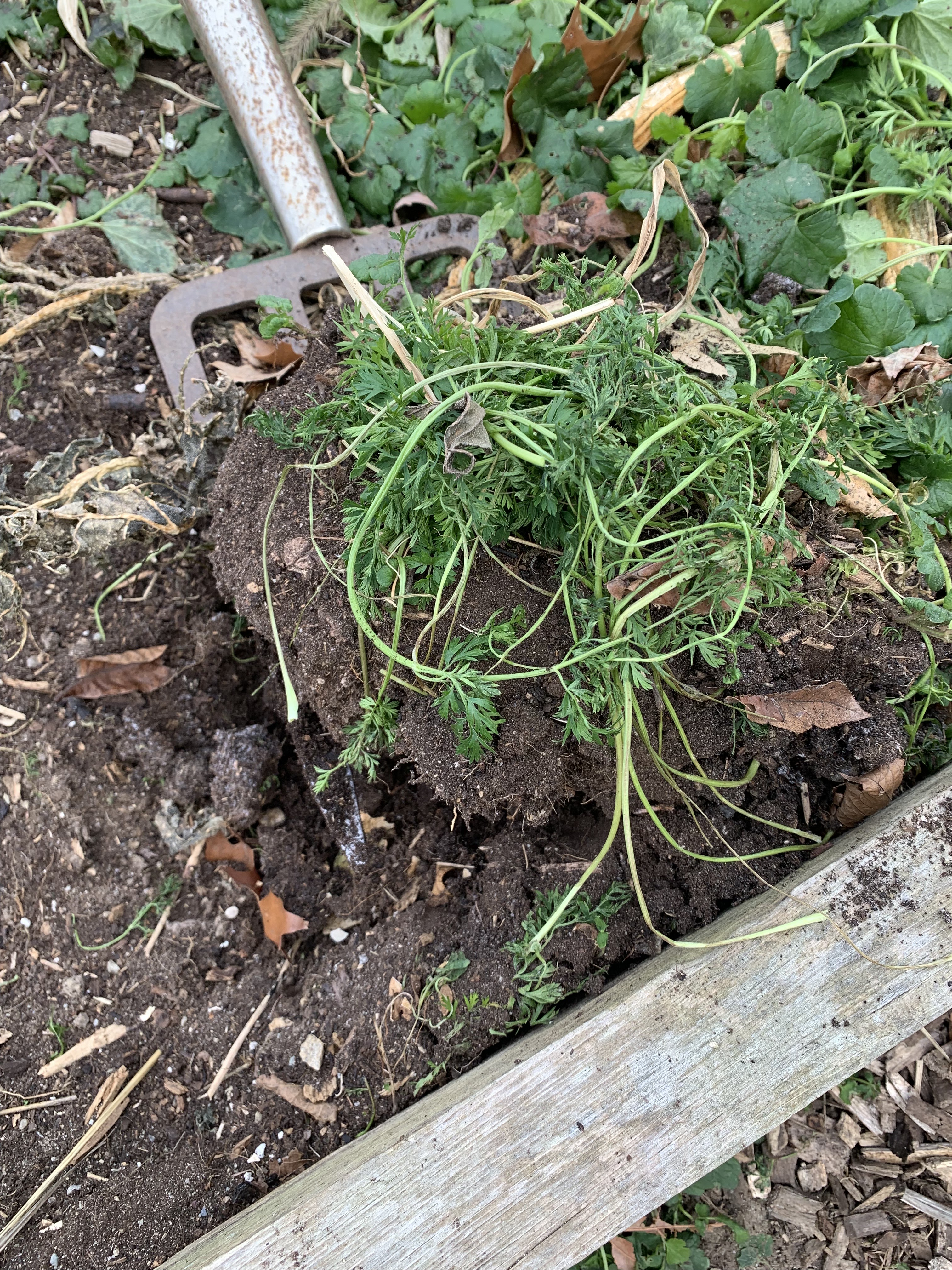
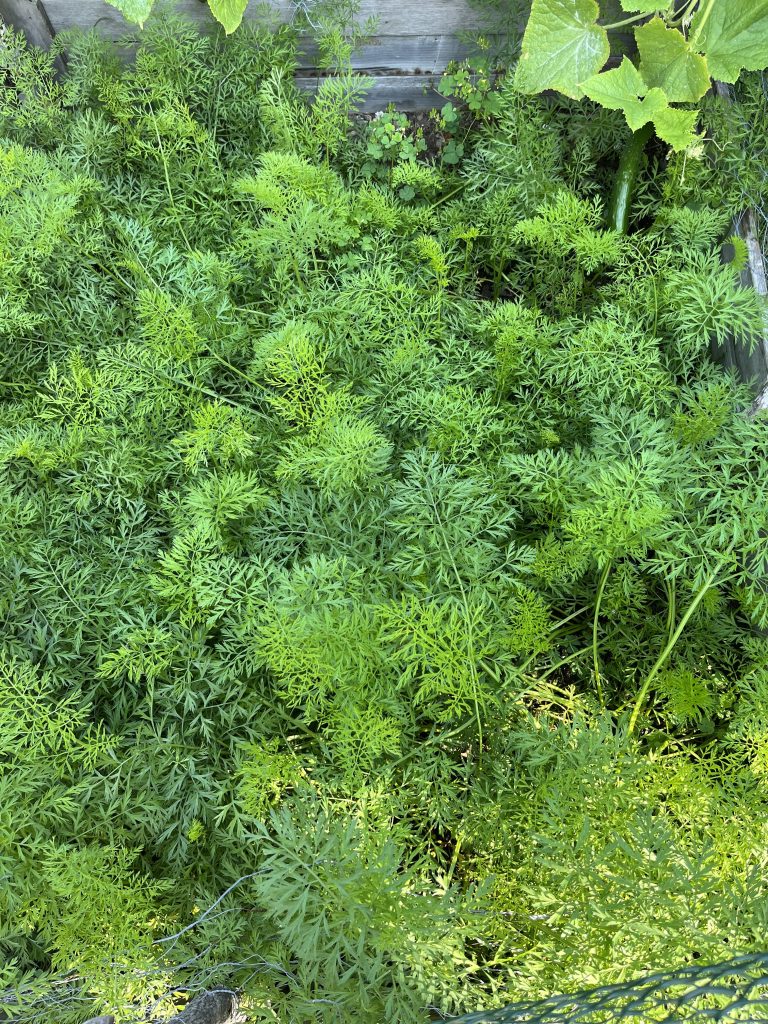
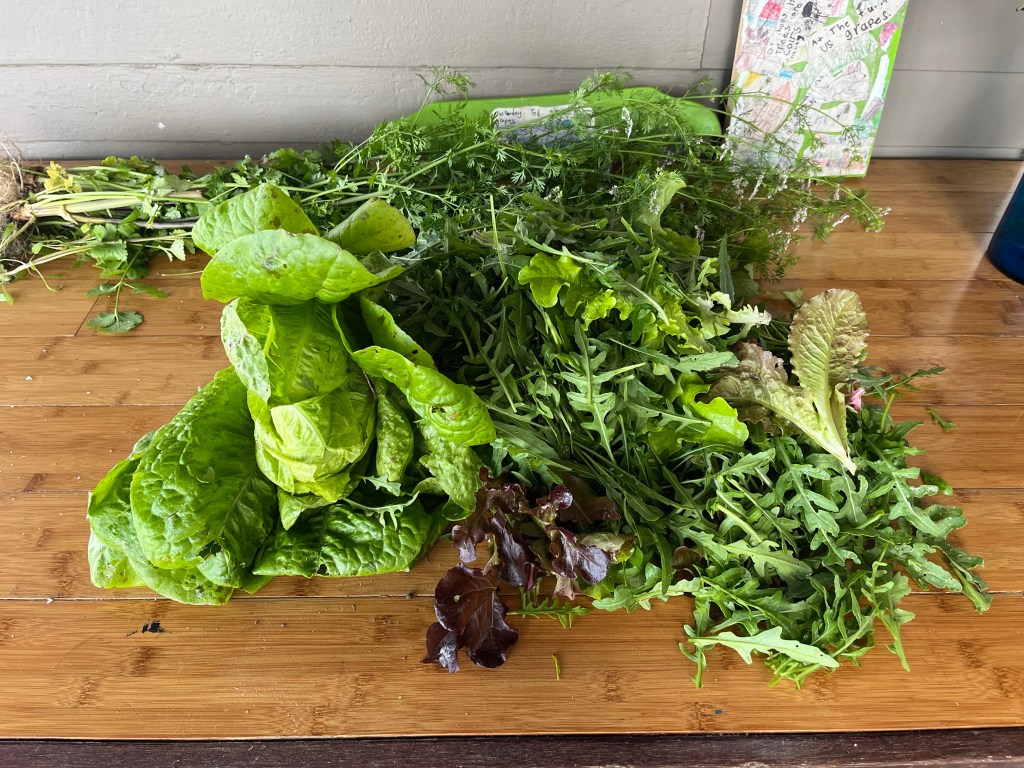
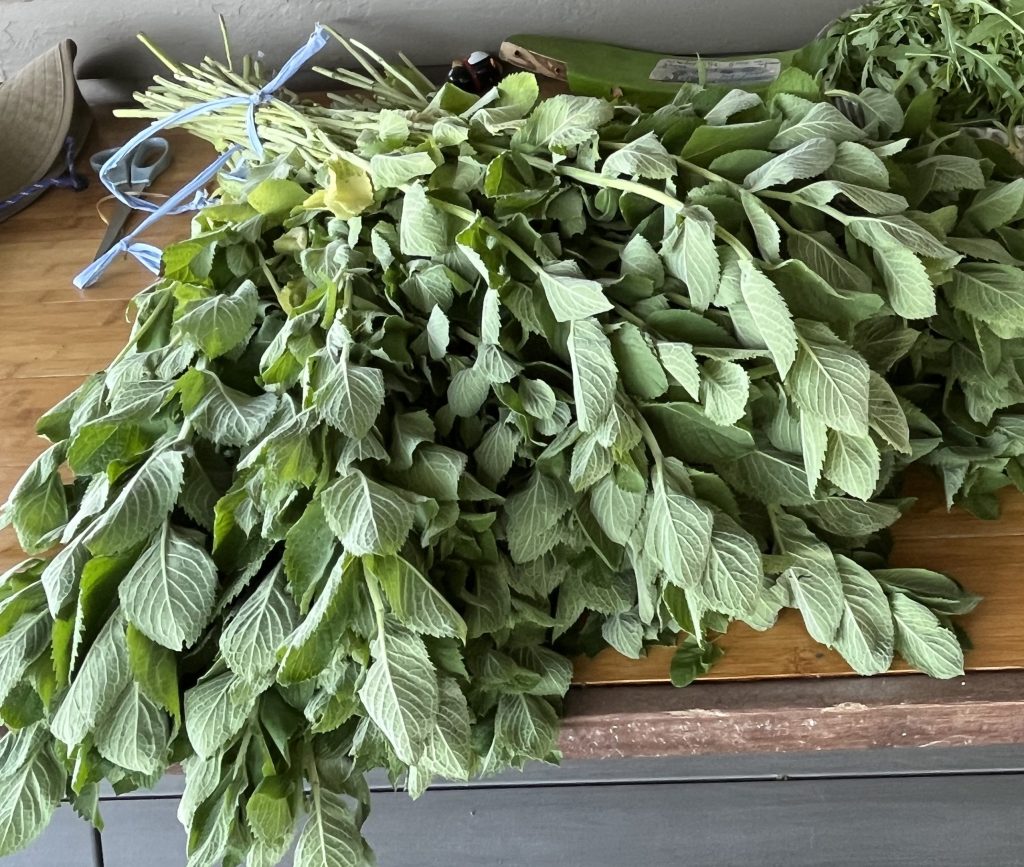
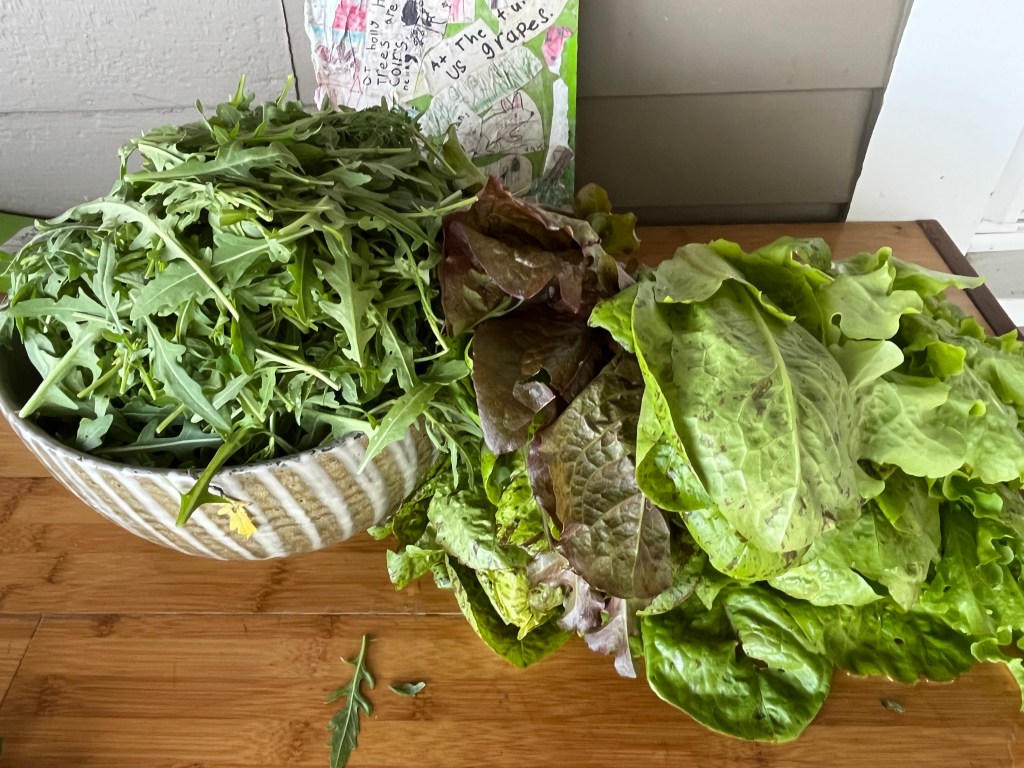
As Ecclesiastes and Pete Seeger teach us, there is a time for everything under heaven, and this is the time for parsley and greens. I am hopeful about fall lettuce, arugula, and maybe a cucumber, and the already full-size tomatoes will ripen, but as these pictures show, now is the time for greens. They like carrots get better with the cold.
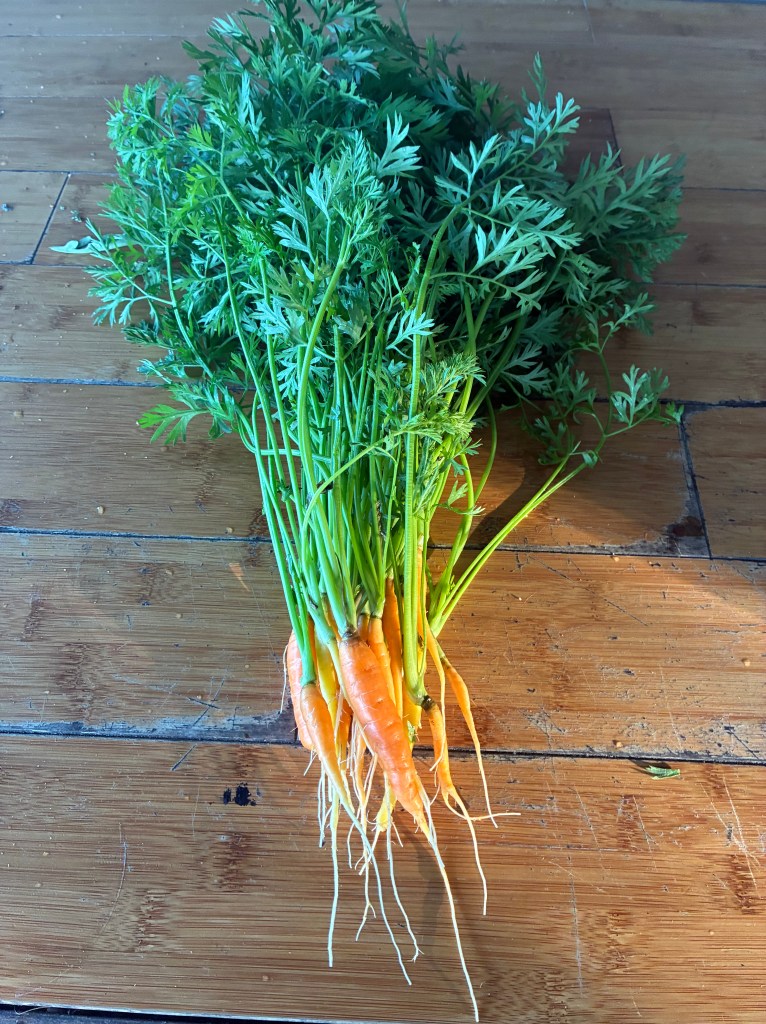
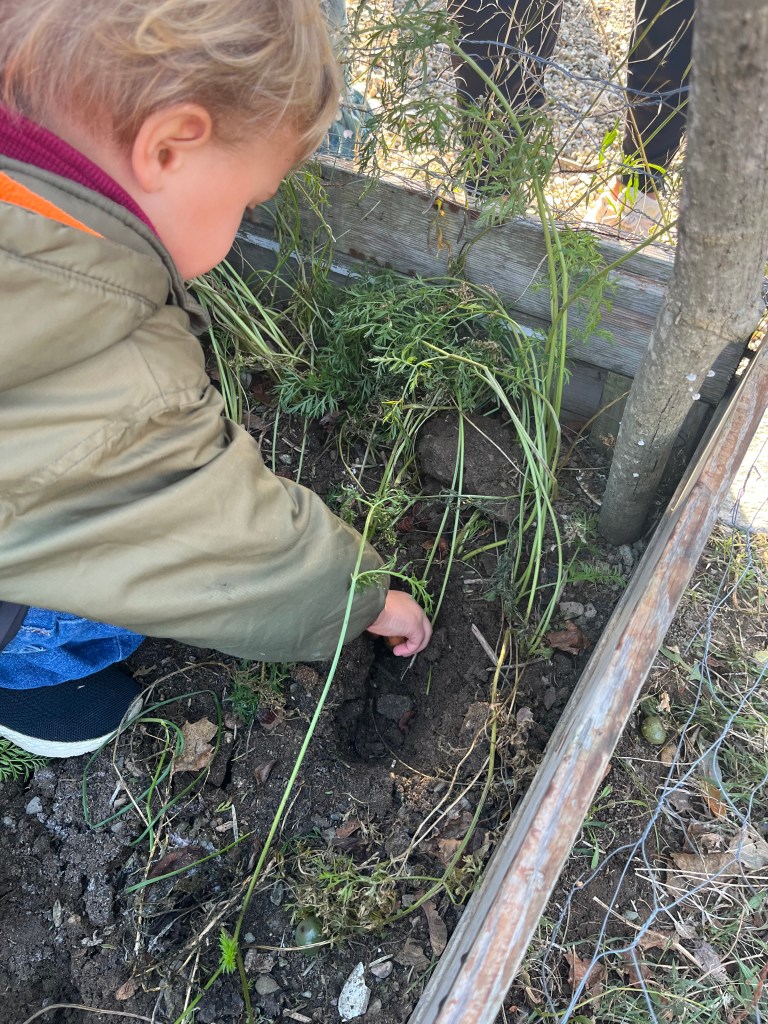
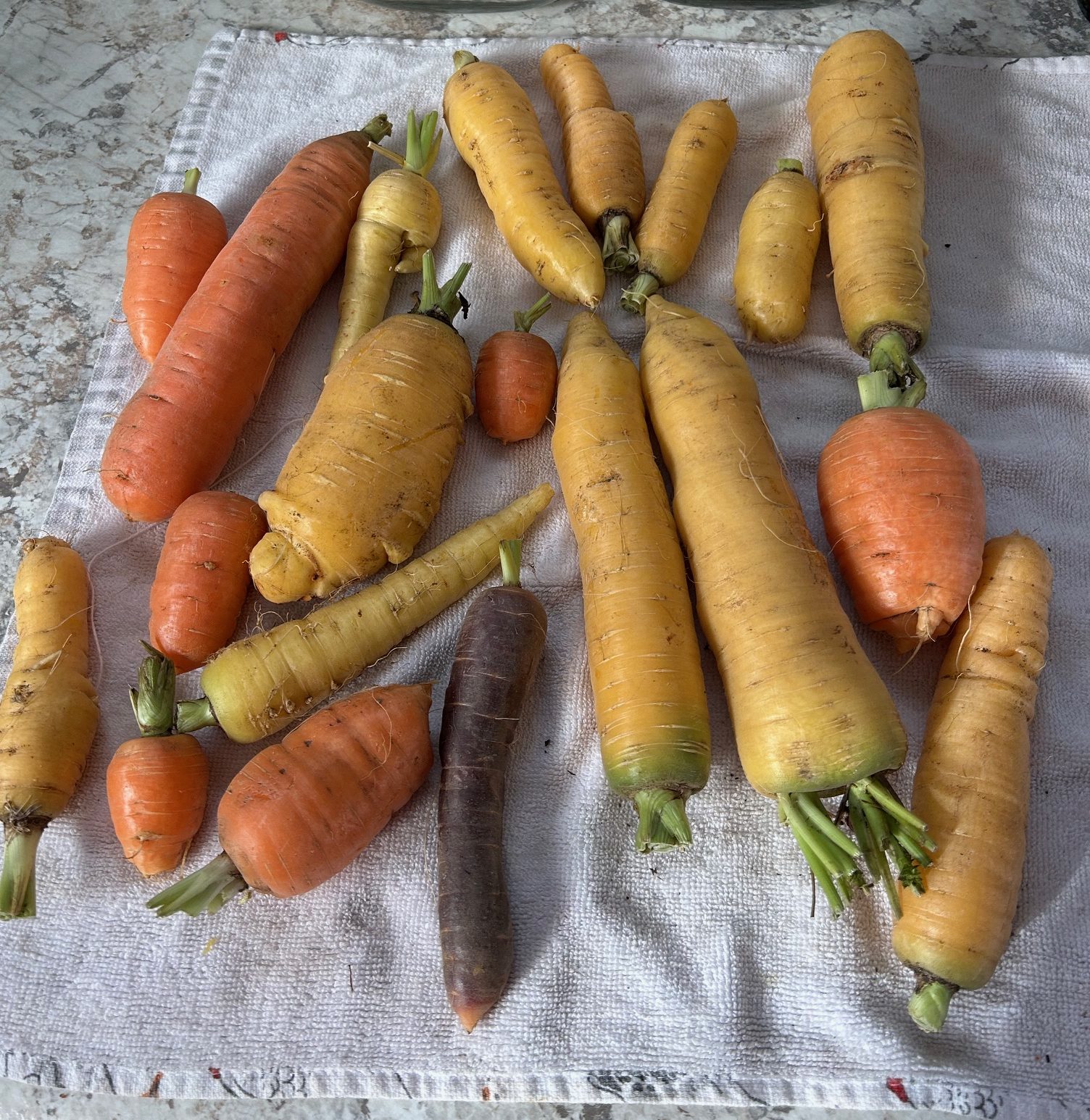
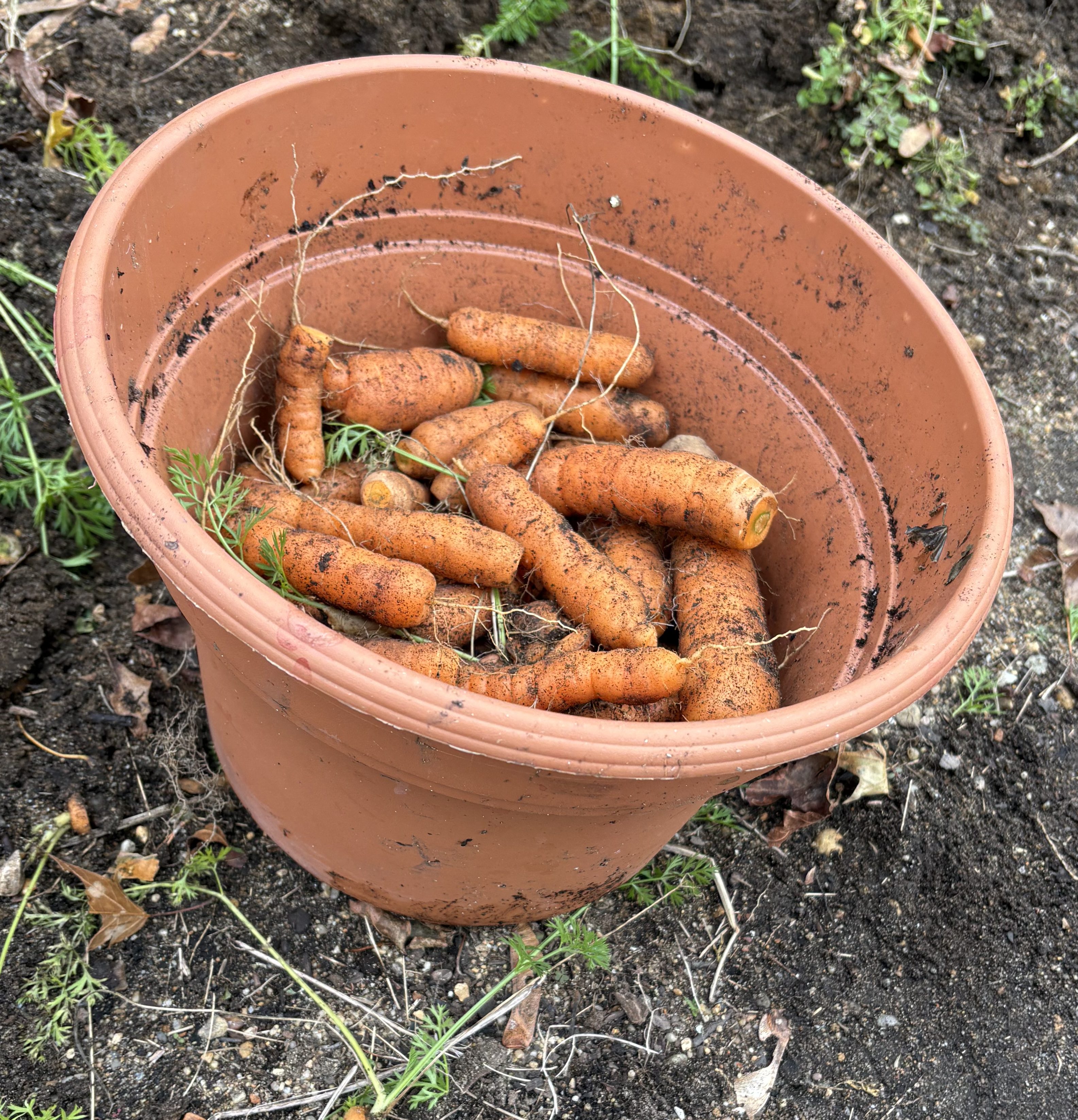
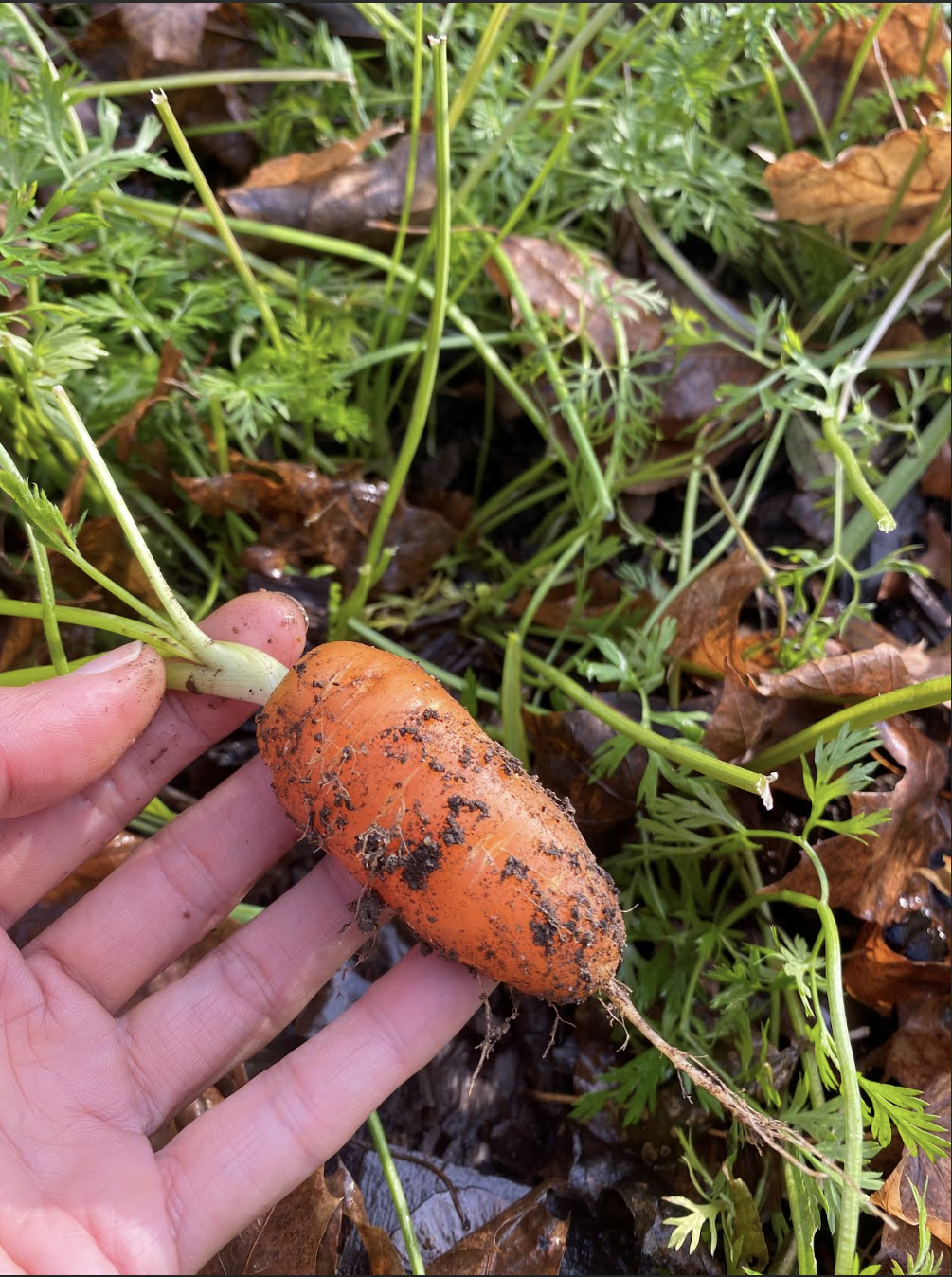
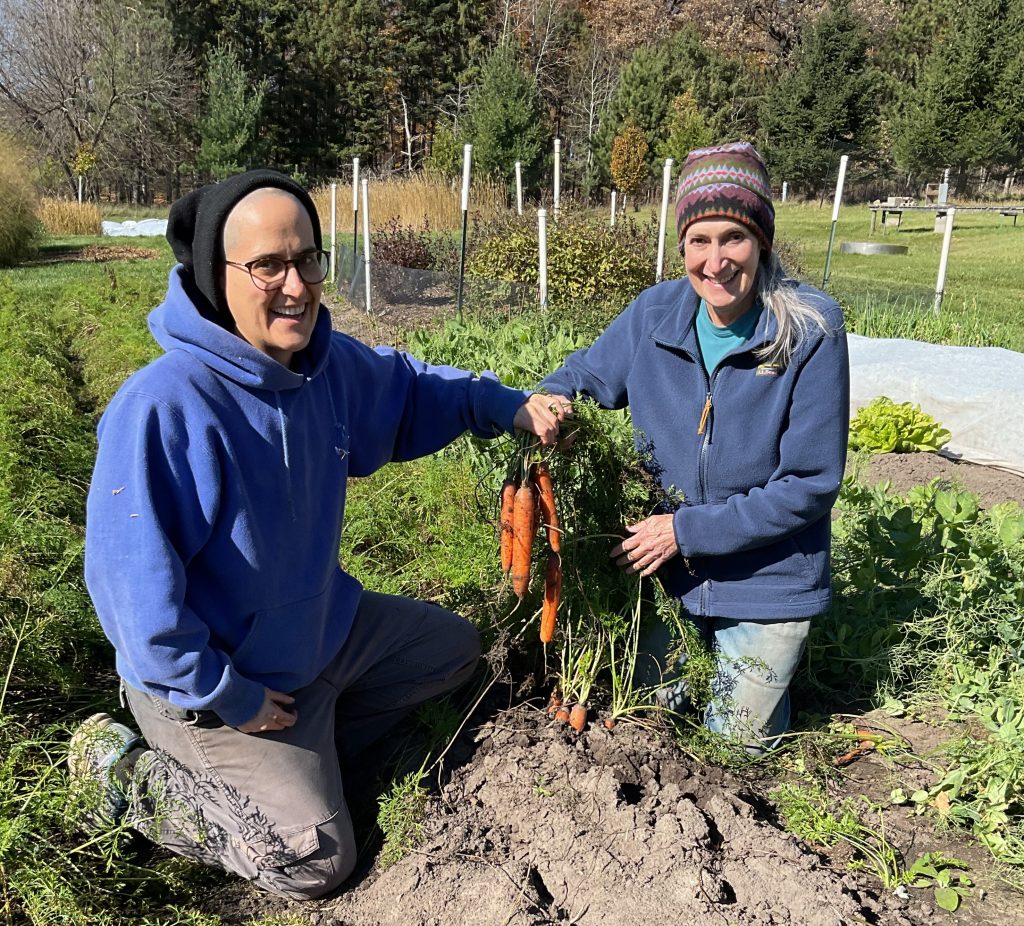
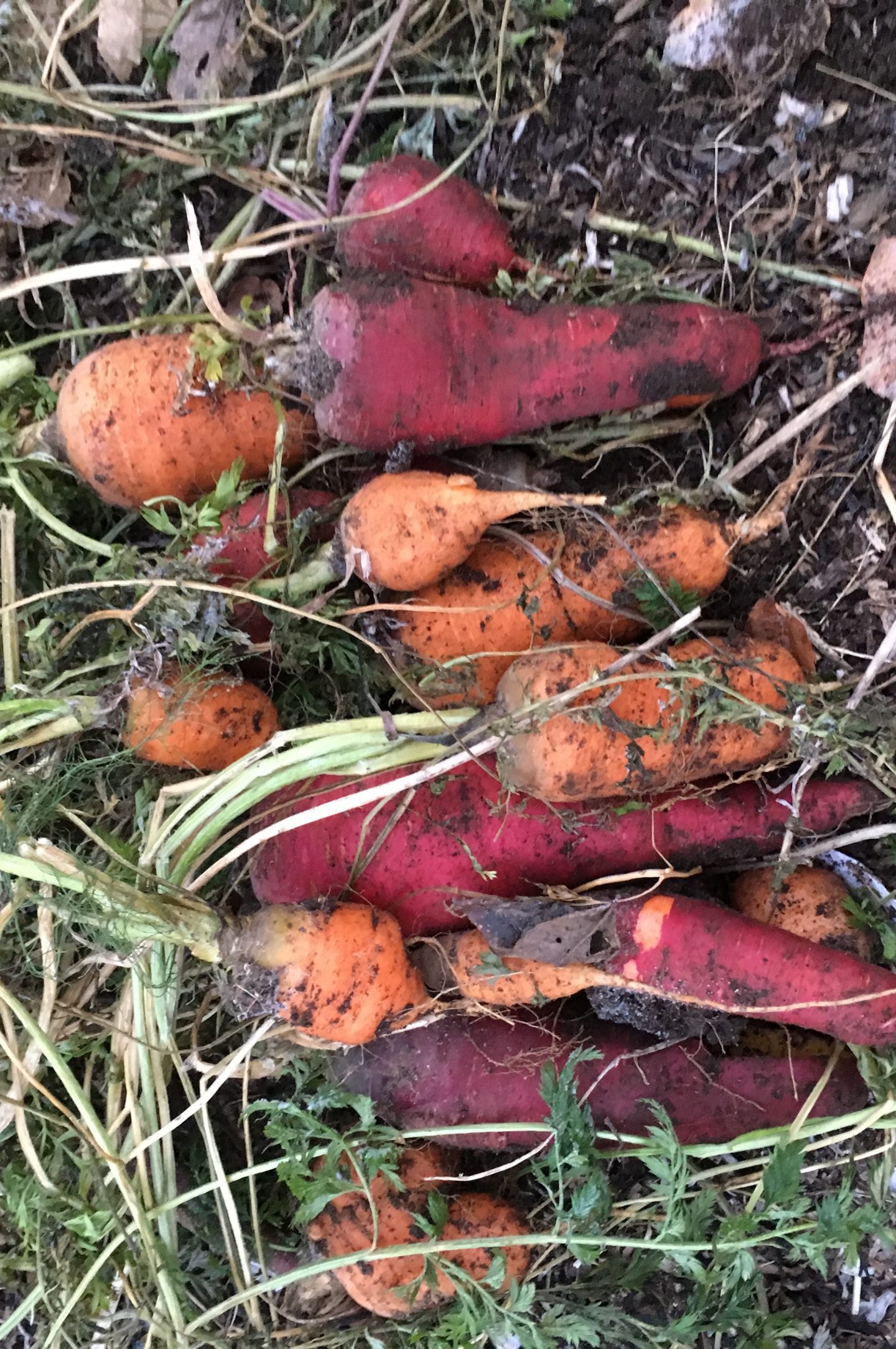
As we get deeper into fall, we get closer to Carrot Day. Over the weekend, I learned about a Massachusetts farm that is about to celebrate its 12th Annual Old-Fashioned Carrot Pull. The farm is Siena Farms in Sudbury, MA. I loved reading about their farm and am so excited to go to the Carrot Pull on Sunday, November 8th. Here is the link to sign up. We are unlikely to have had a frost in Hull that soon, but perhaps in Sudbury there will have been frost, and I can eat a frost-kissed carrot a little bit early. It would be great fun to see you there. If you decide to go, please let me know and let’s try to connect.
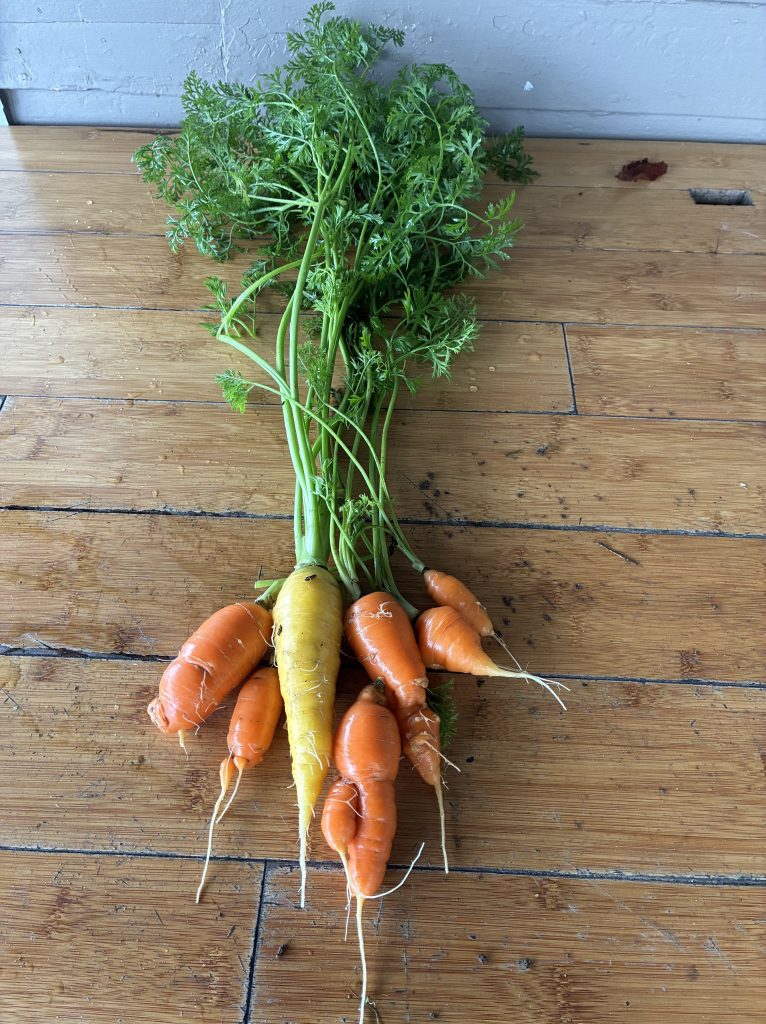
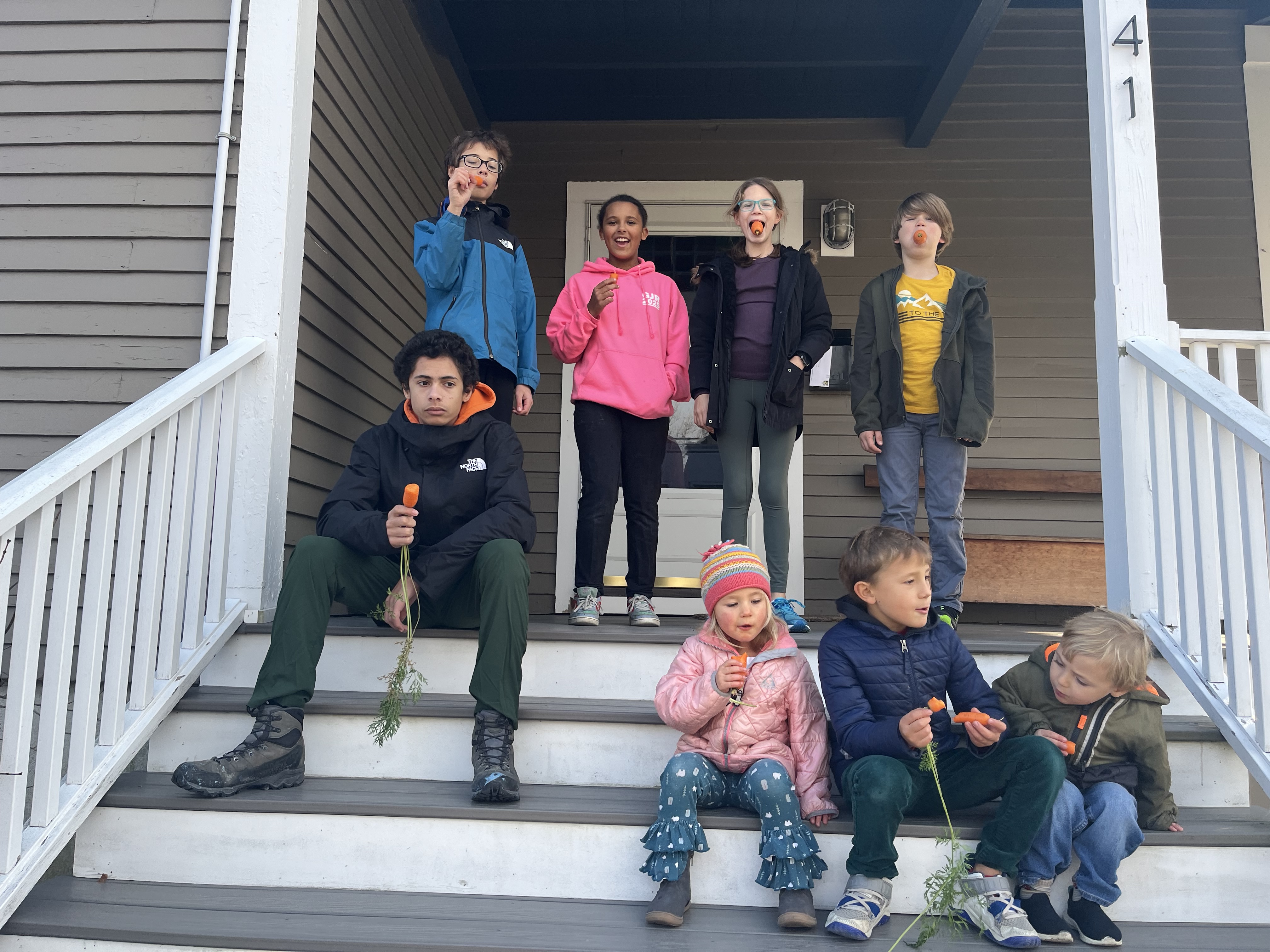
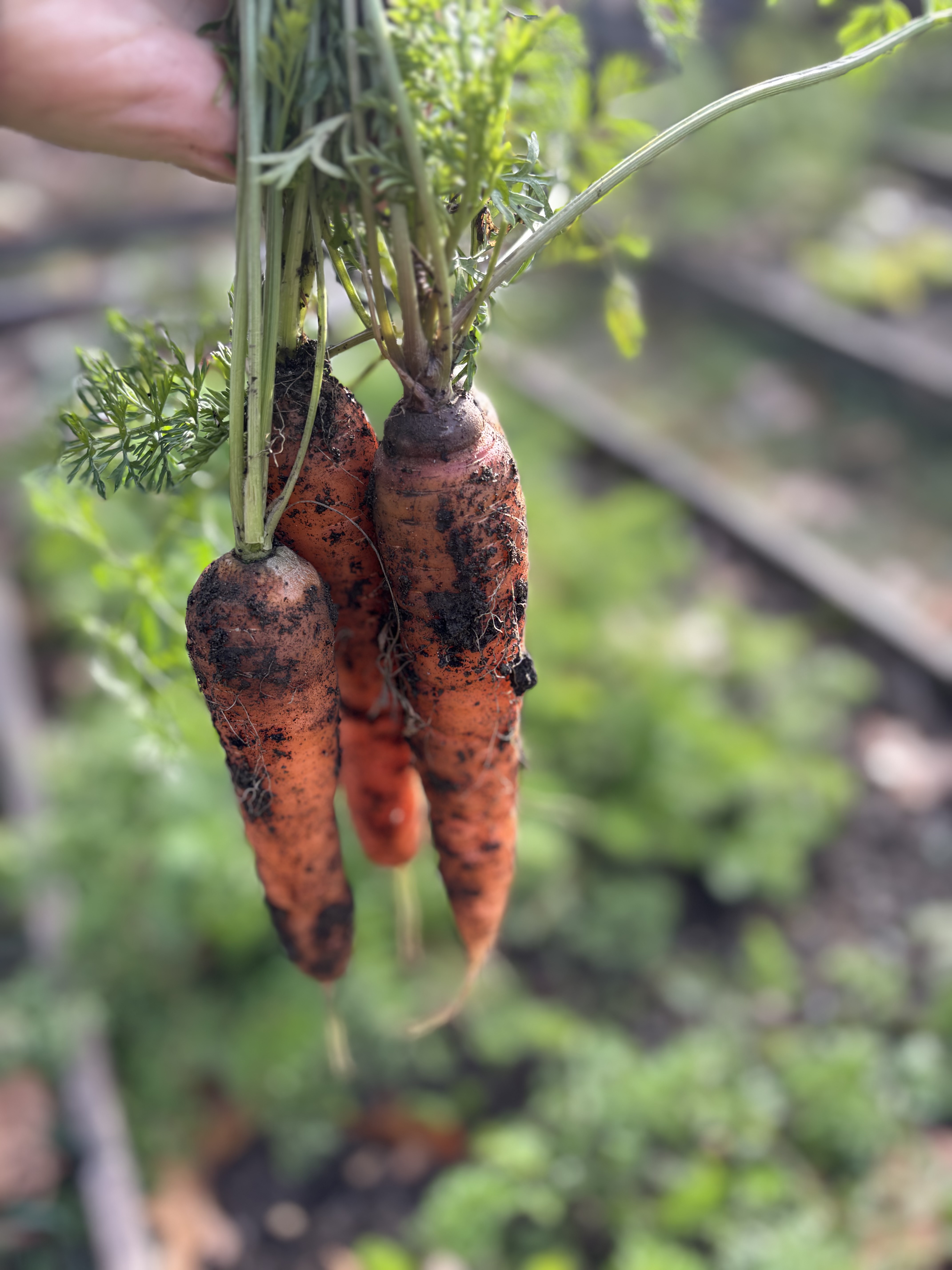
And what would a Carrot Day Post in October be without a carrot picture?