
I write to you just before the Elections of 2024 in the US. As a powerful nation what happens here in our election has an impact across the globe and the outcome will make a difference to many people on our earth.
We know that. We know that gardening is altered by both weather and climate. And the questions are what do we as individuals, families, communities, cities and towns, states, nations, countries and cultures do if the results are what we believe are right and true or if they do not go our way. No matter the outcome there will be those who rejoice and those who mourn.
Today was a beautiful day in Hull. Flat calm water and a great day for a swim. At least for me as flat water in the low 50’s on a sunny day is a sweat spot for me. It is warm enough to stay in comfortably for a fifty minute swim and cold enough to get the afterglow of a cold swim. After the swim I got warm, ate, did some gardening and some chores. A beautiful day in a beautiful place.
Theodore Parker, an abolitionist and Unitarian Minister wrote in 1853, “I do not pretend to understand the moral universe; the arc is a long one, my eye reaches but little ways; I cannot calculate the curve and complete the figure by the experience of sight; I can divine it by conscience. And from what I see I am sure it bends toward justice.”
Martin Luther King took this idea and remade it in the Civil Rights Era. He said in a sermon at the National Cathedral on March 31, 1968: “We shall overcome because the arc of the moral universe is long, but it bends toward justice.”
Barack Obama in 2007, the year before he became President, echoed them both at a speech at George Mason University. He said, “The arc of history is long but it bends towards justice.”
No matter the outcome this week let’s hope the three of them are right and that arc does bend toward justice but I worry that the arch of the moral universe may not bend that way. I like Theodore Parker can not see but a “little ways” but unlike Parker I am less certain I can “divine” the direction of the arc.
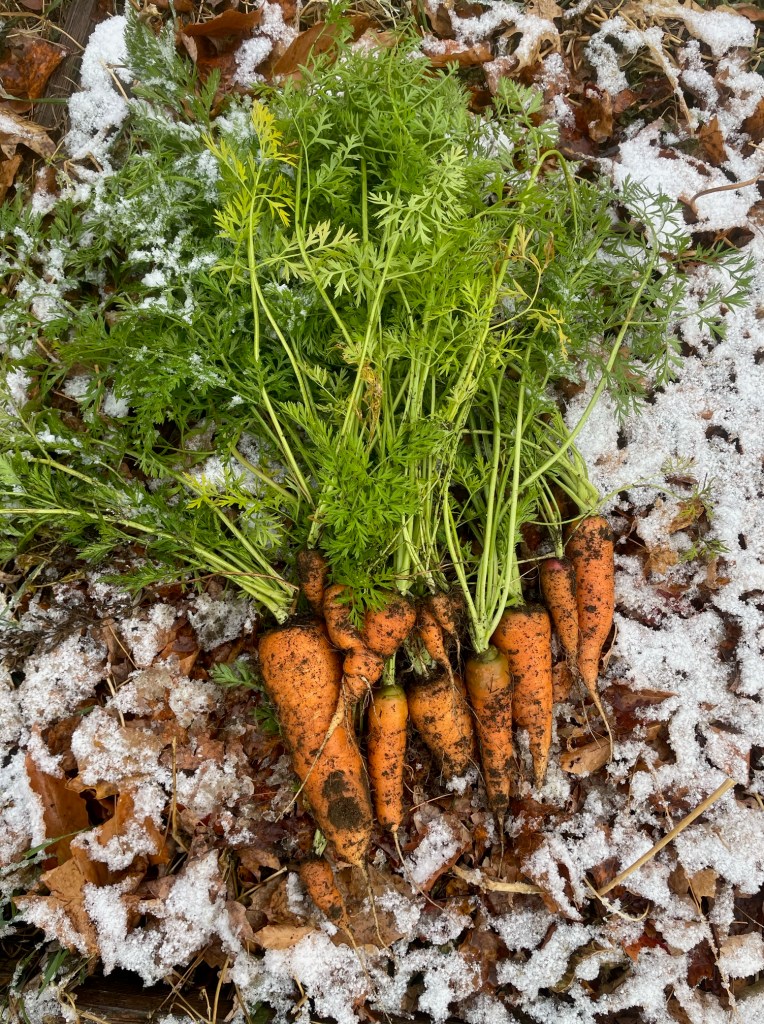

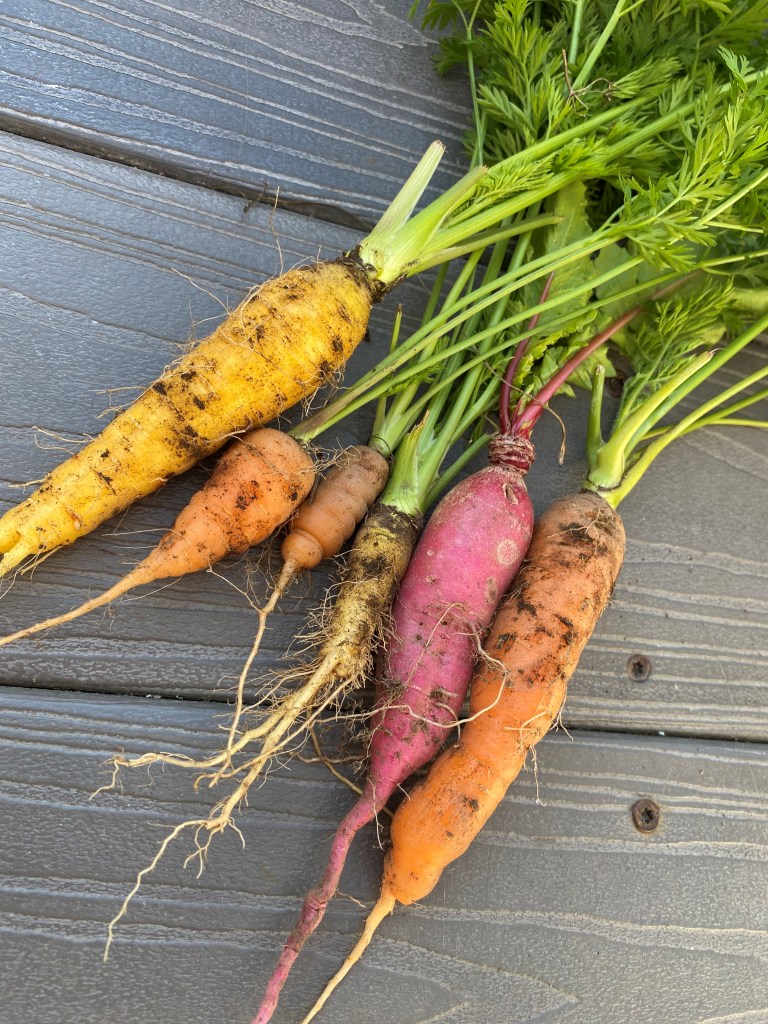
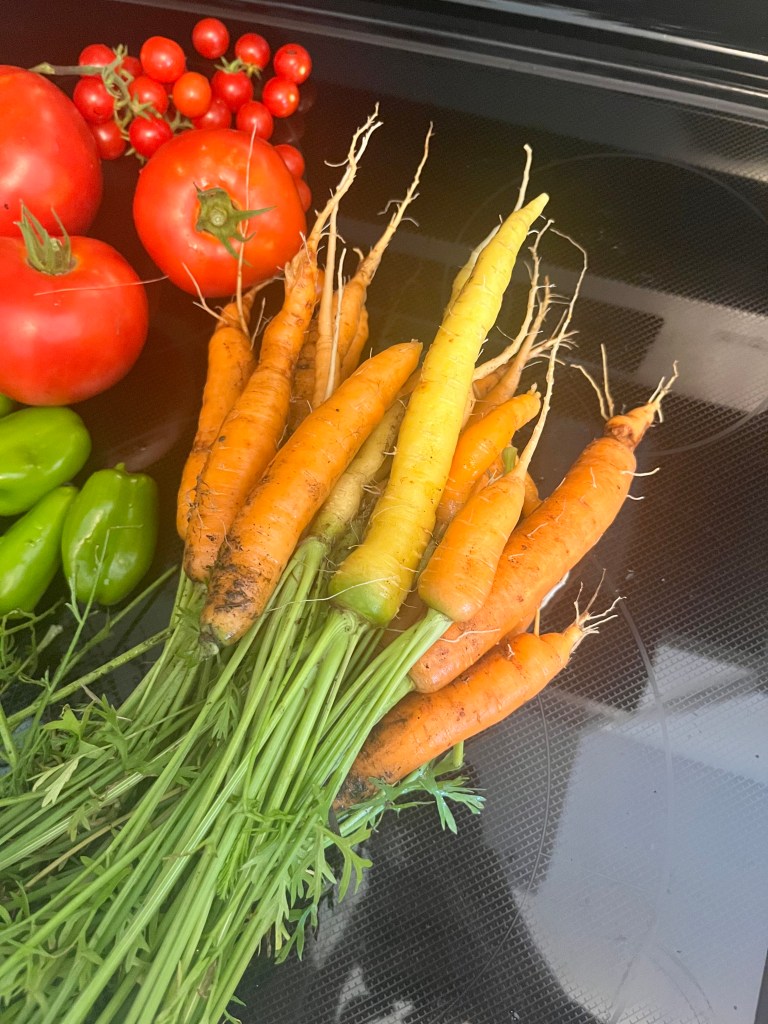
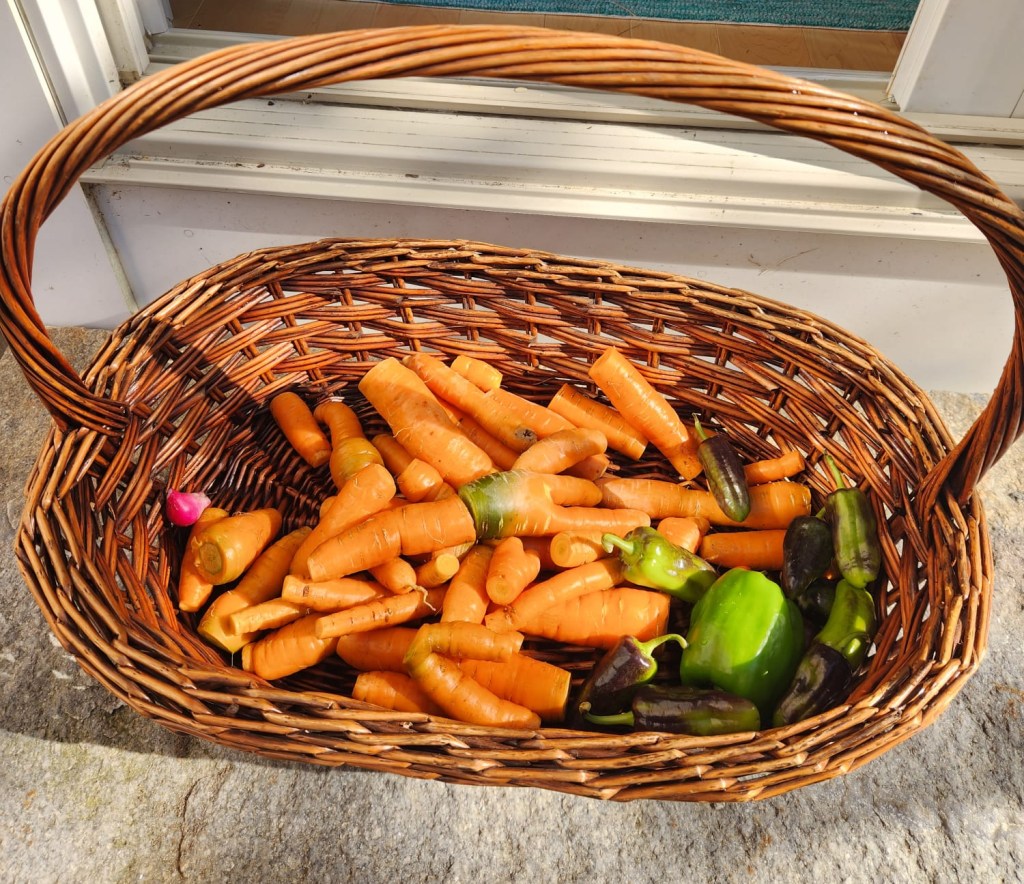
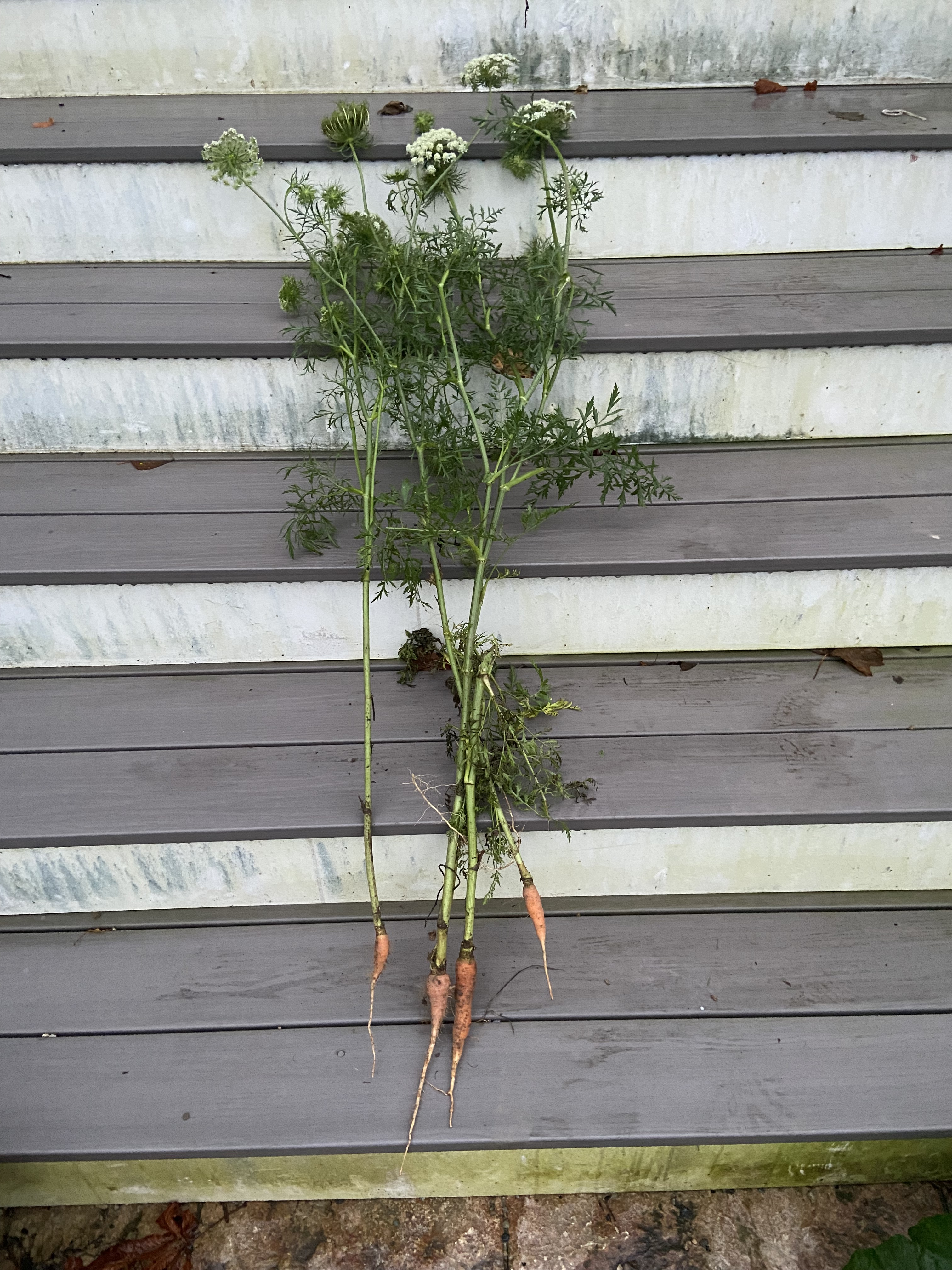
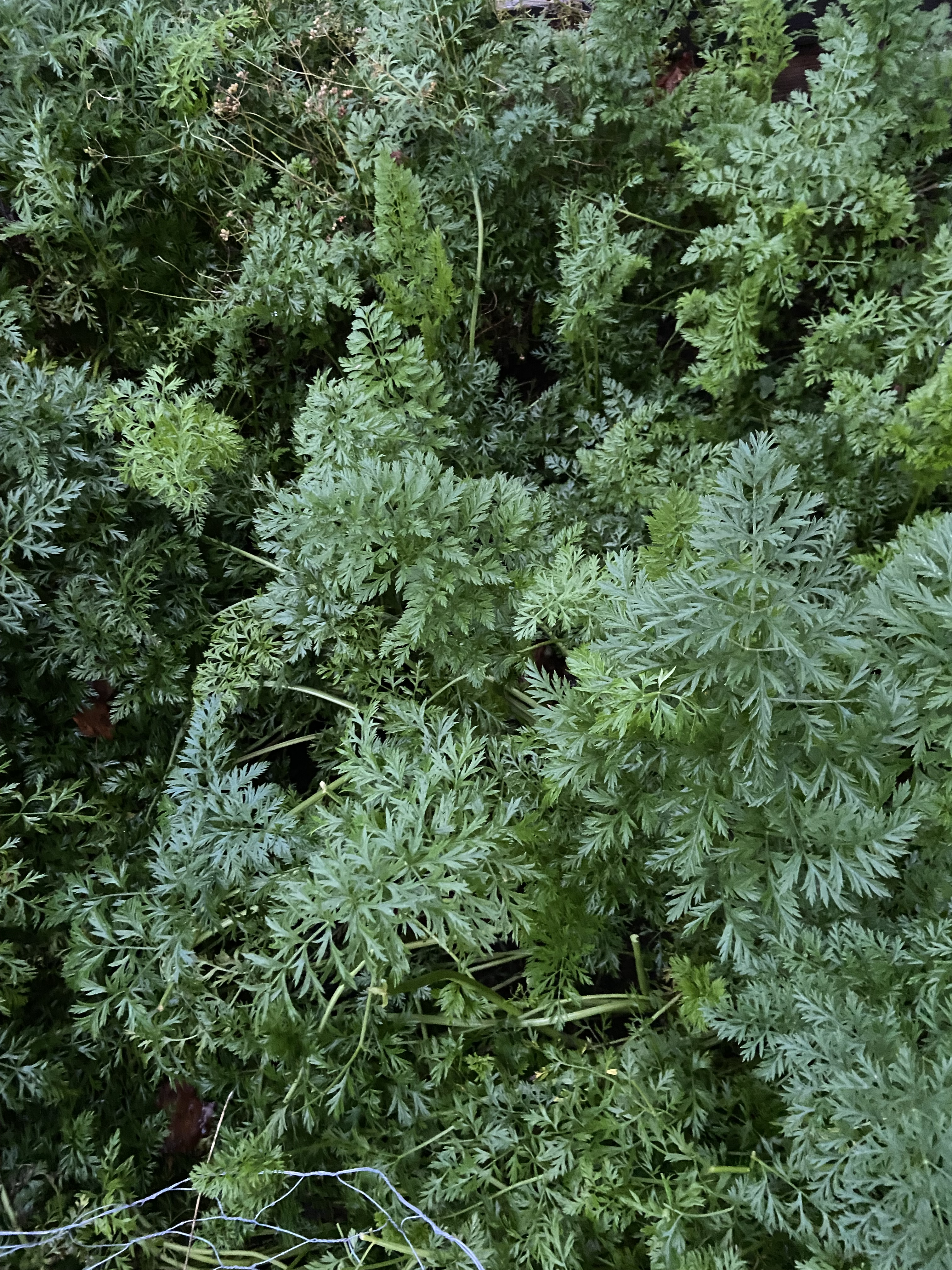
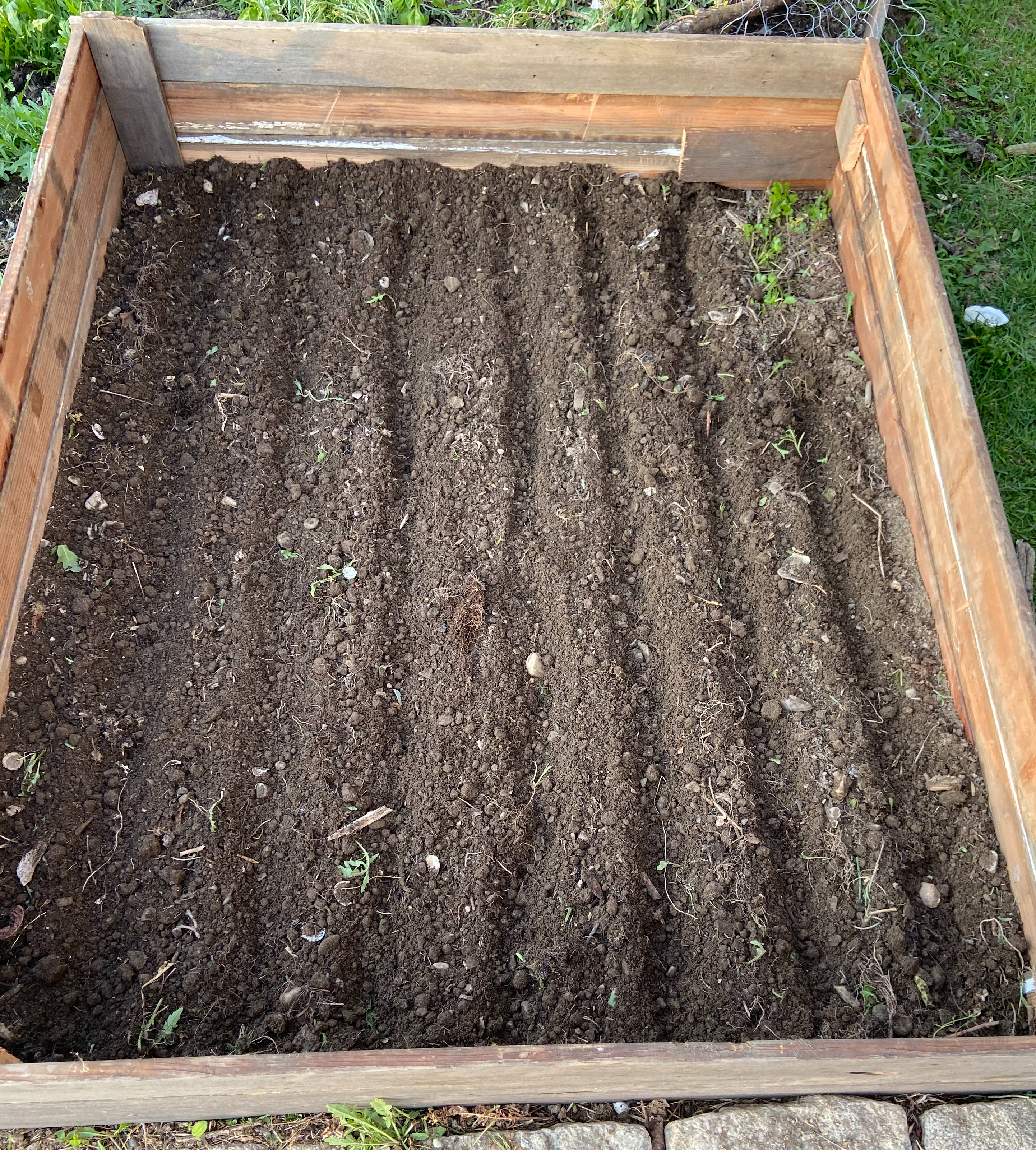
Well back to carrots. Some folks have started to send me updates of their carrots. Up in Vermont they have had frost and over in Weymouth there has been some good cold. But as Hull is surrounded by water the coldest we have gotten was this morning at 34. That said, it is getting cold and today for the first time ever in November I gave my carrots a little water as you can see in the photograph below. We have had very dry conditions and you can smell that in the air with smoke coming to Hull from the North Shore where there have been many brush fires.

Well here is what I tell myself. Equanimity. If the election goes as I hope, remember there is still much to do and I should do my best. If the election goes as I fear, remember there is still much to do and I should do my best.
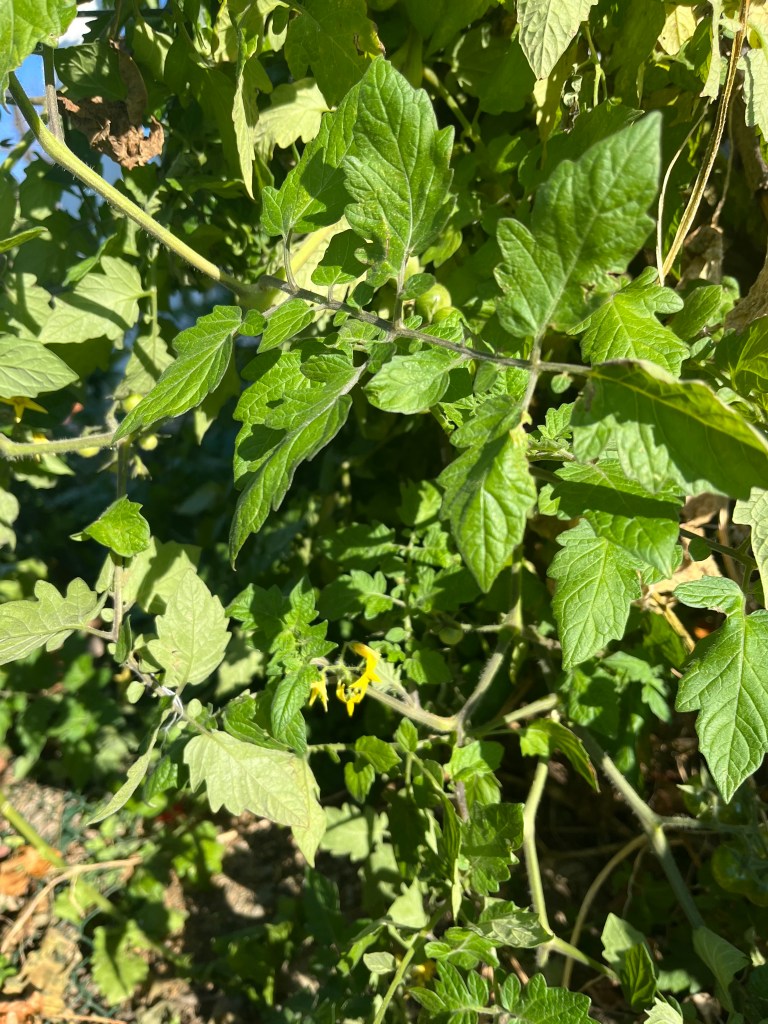
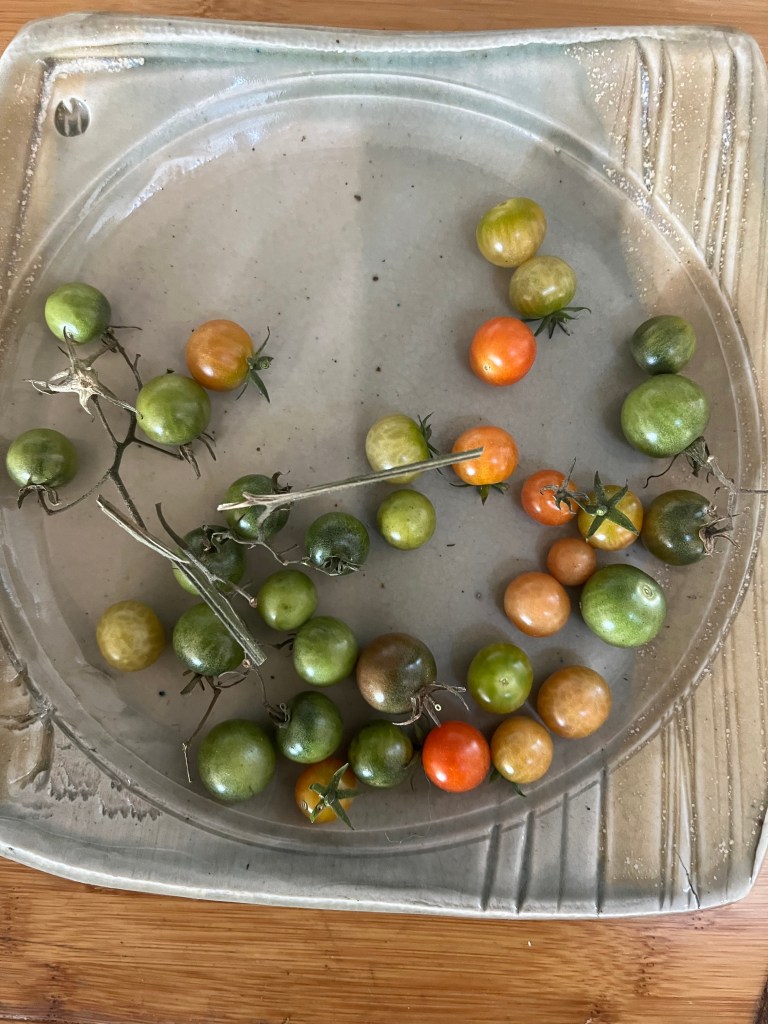
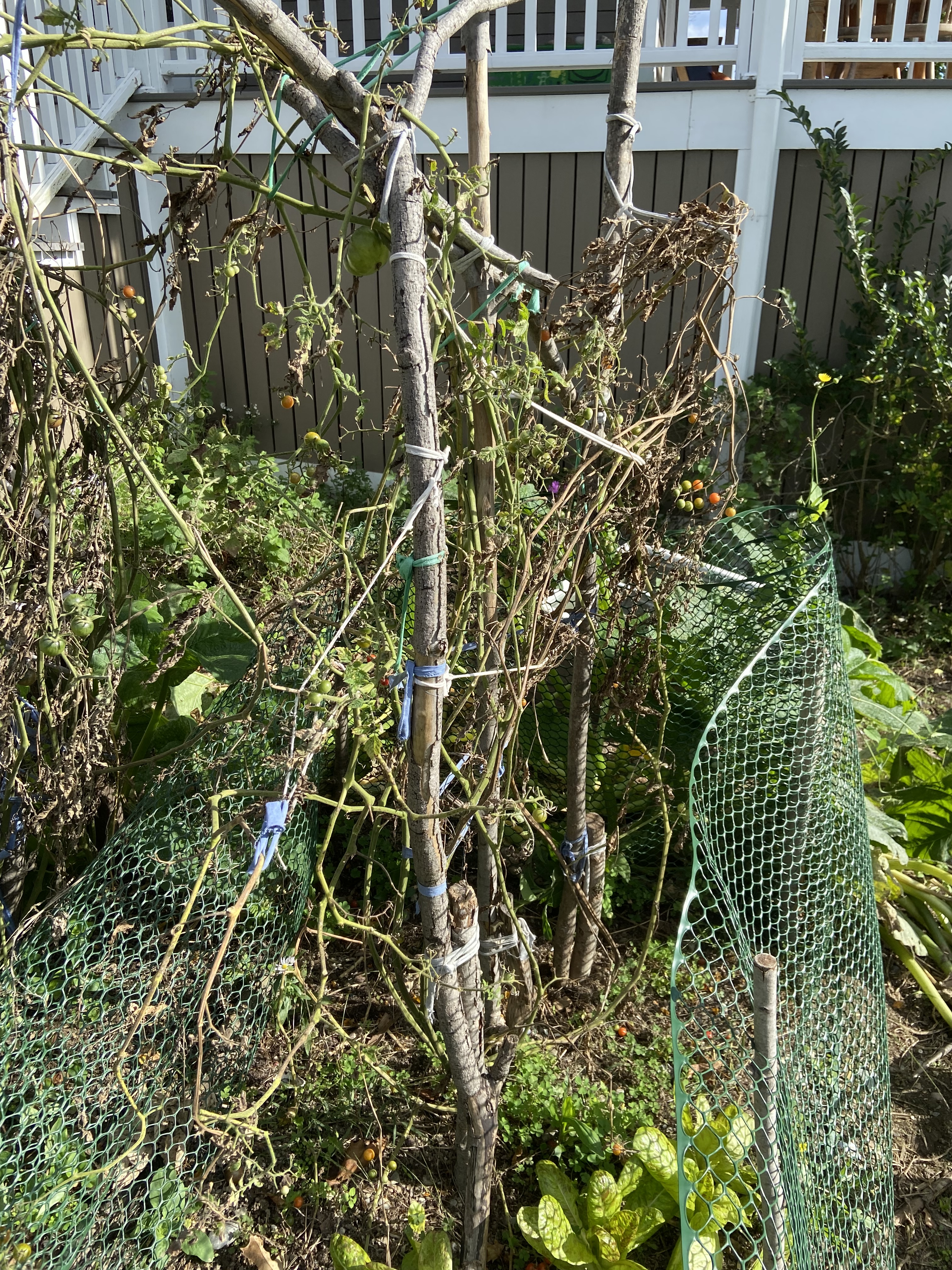
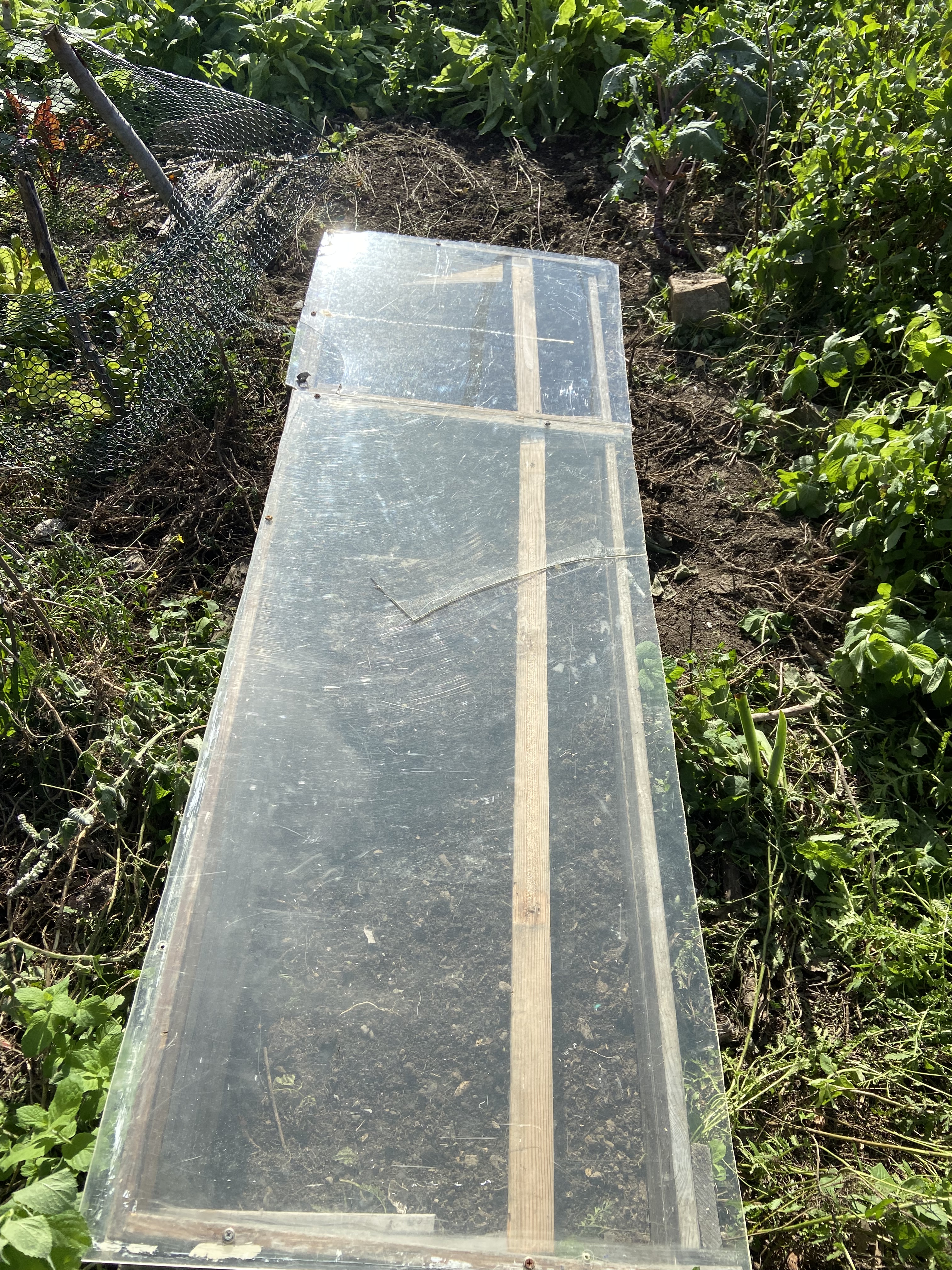
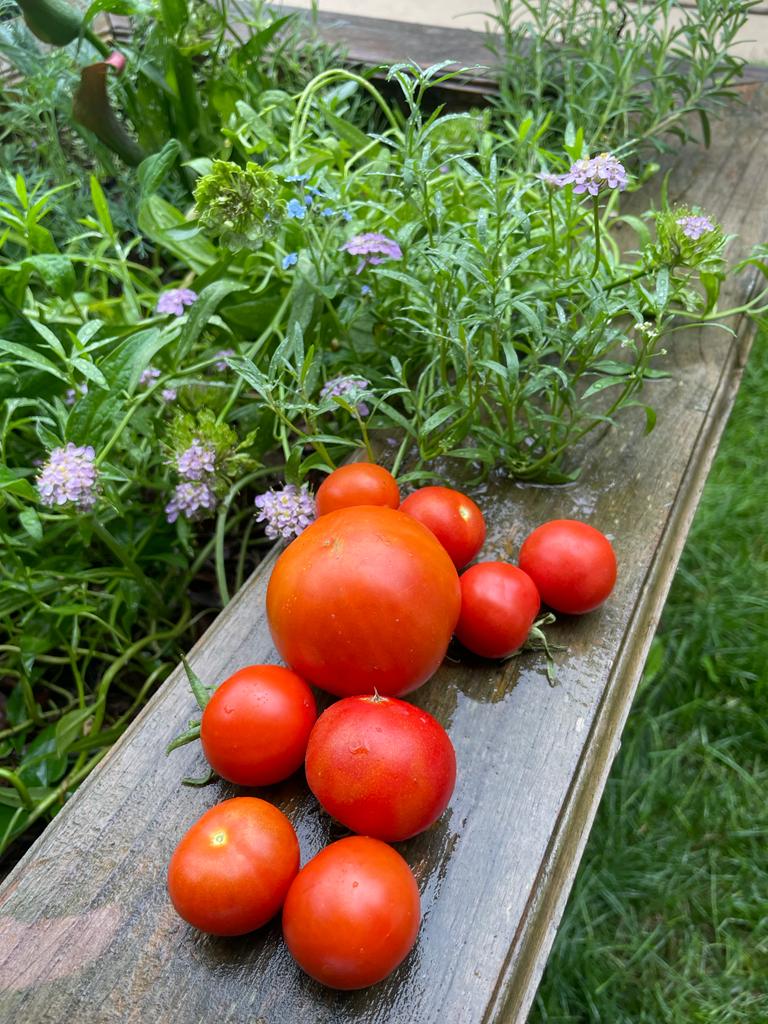
The fall garden is a metaphor for doing your best. The plants and the ambitious gardener does not merely say the peak is over there is nothing I can do. There are cold frames and there are cold tolerant plants. Right now in Hull Massachusetts the bend of the arc of growing is lessening but there is still some food coming in. Everytime Katy and I eat one of the last last heroic tomatoes we savor them. There are not many but there are some. And one tomato plant is still believing and blooming while all the rest have been pulled from the garden.
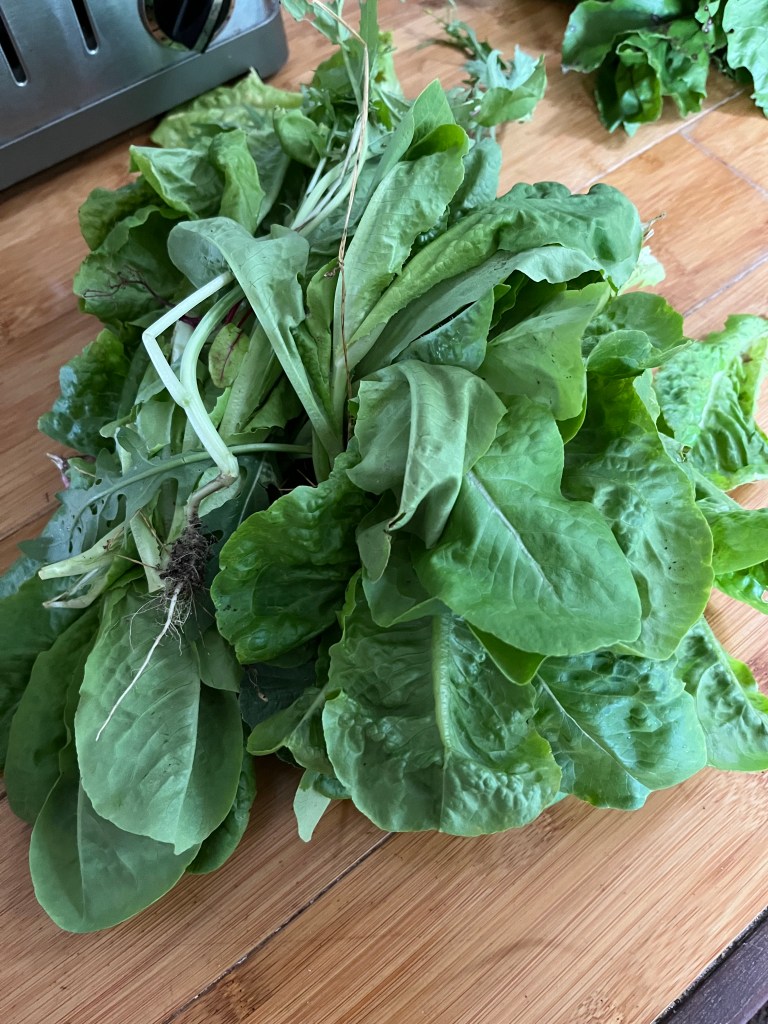
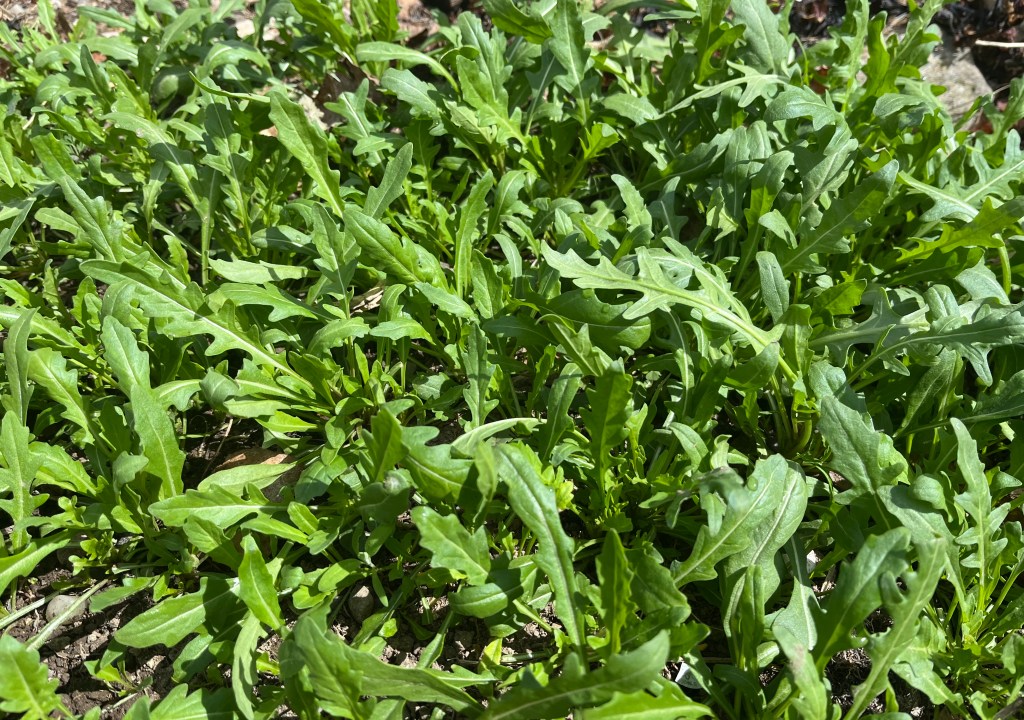
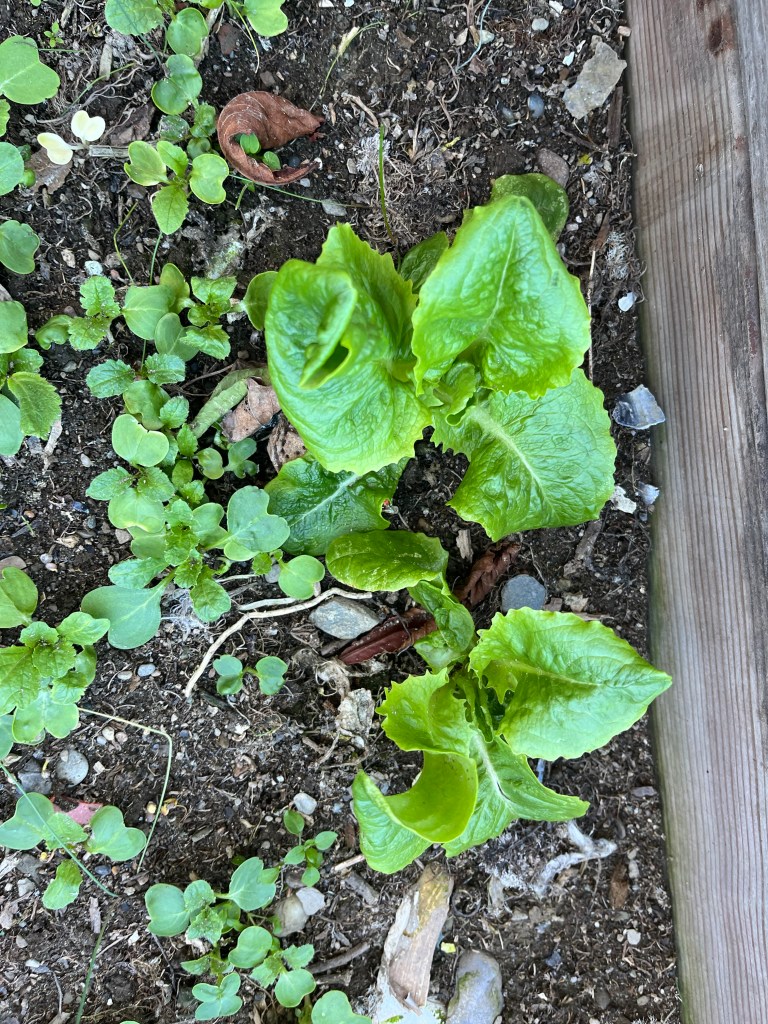
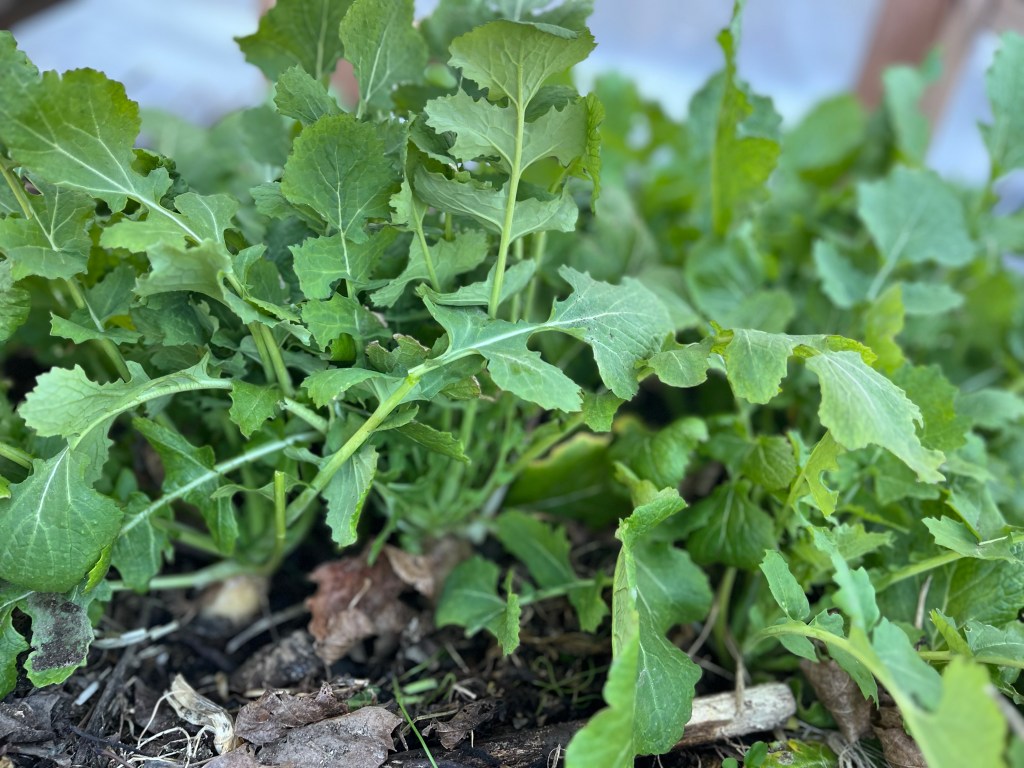
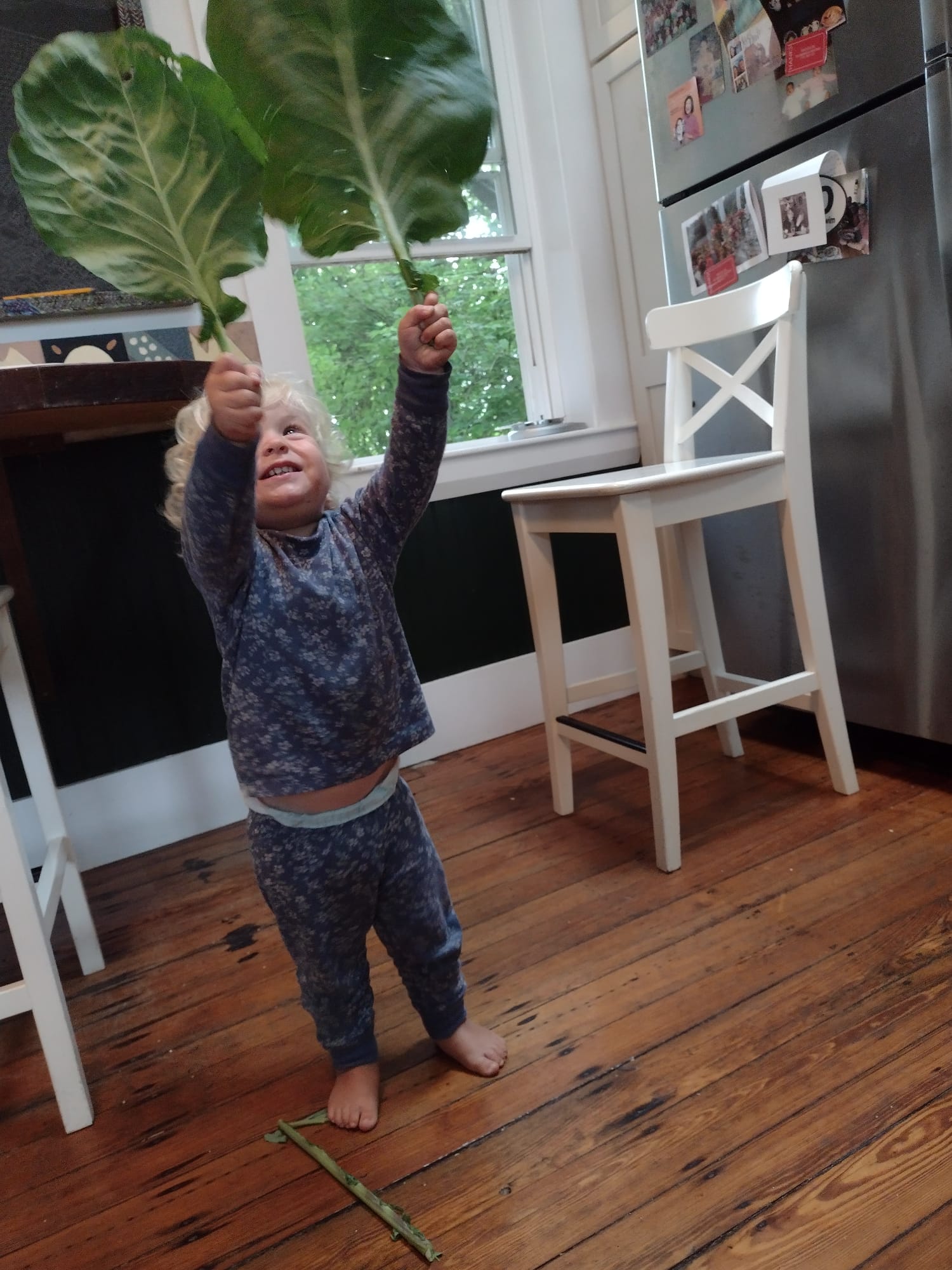
And it is a time for greens. They are in their glory and like carrots they get sweeter with the frost and in a month or so I will be celebrating Carrot Day and frost kissed carrots.
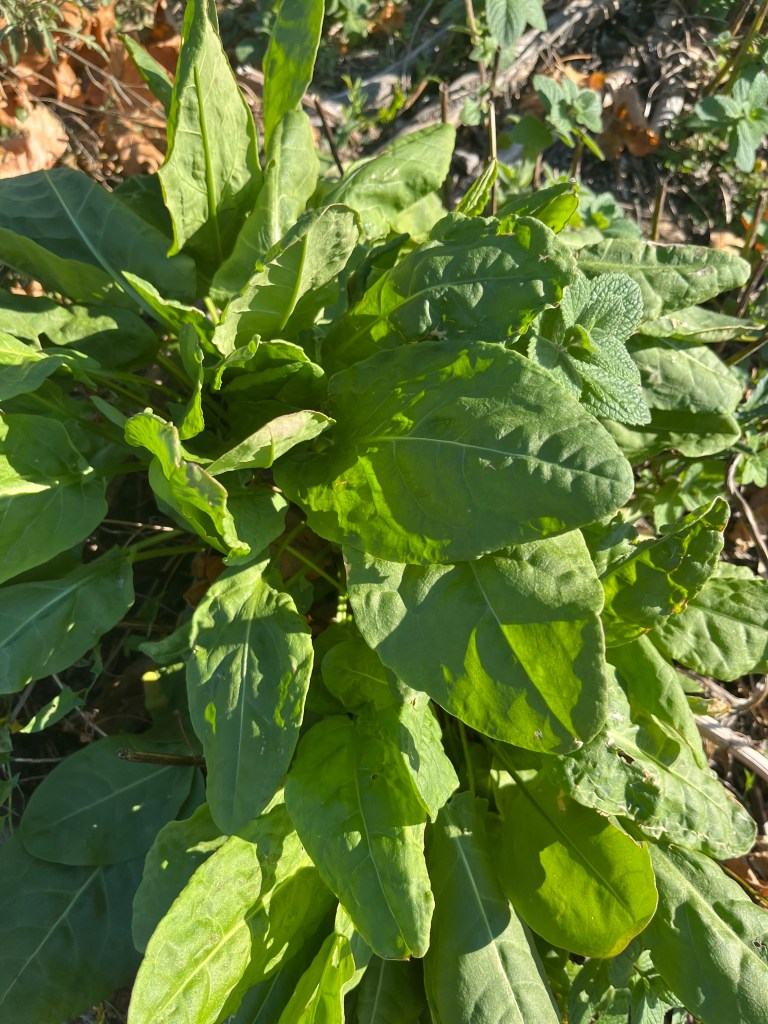
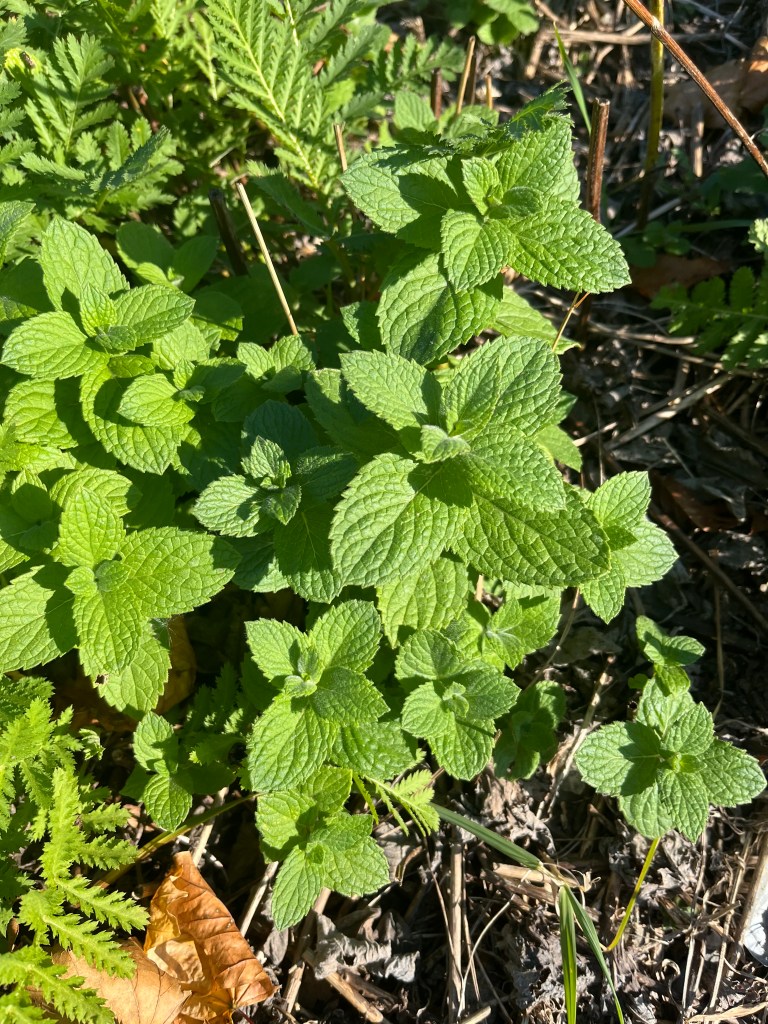
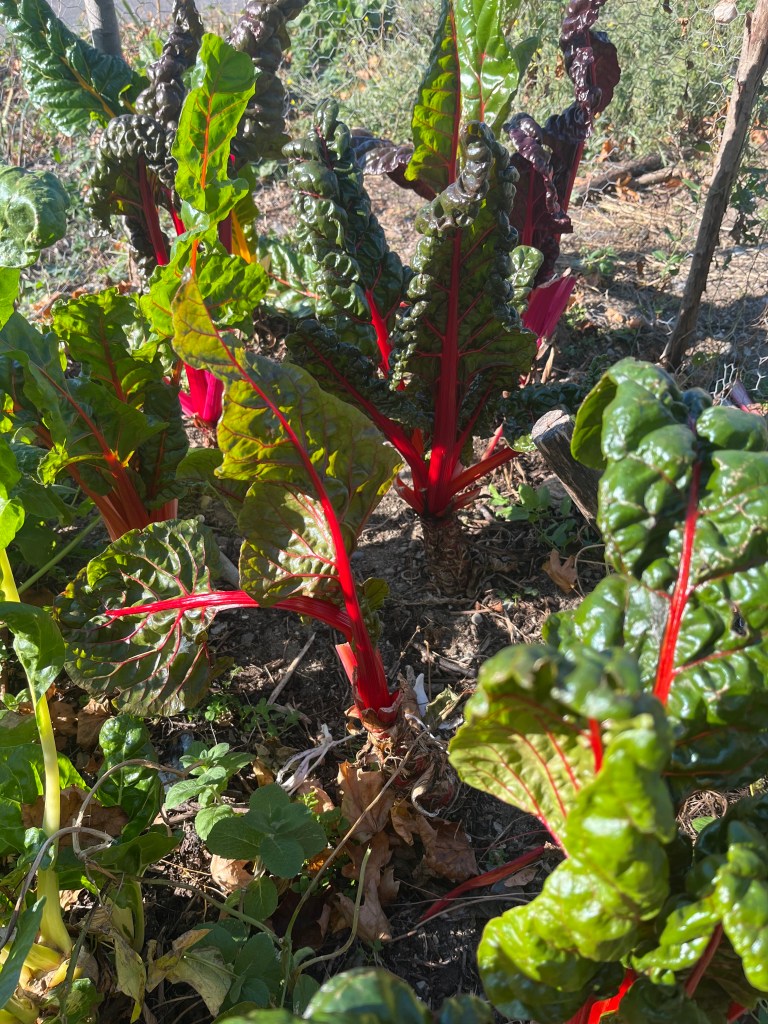
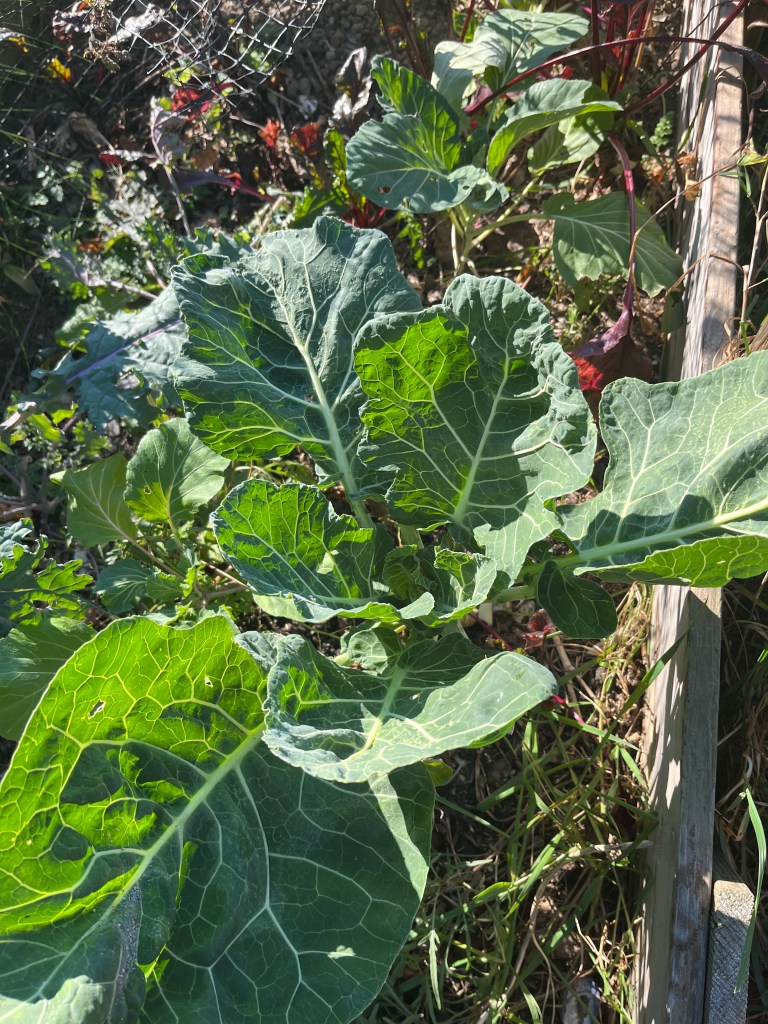
So let’s all try for equanimity and doing our best even if it is not the best weather or climate for us.
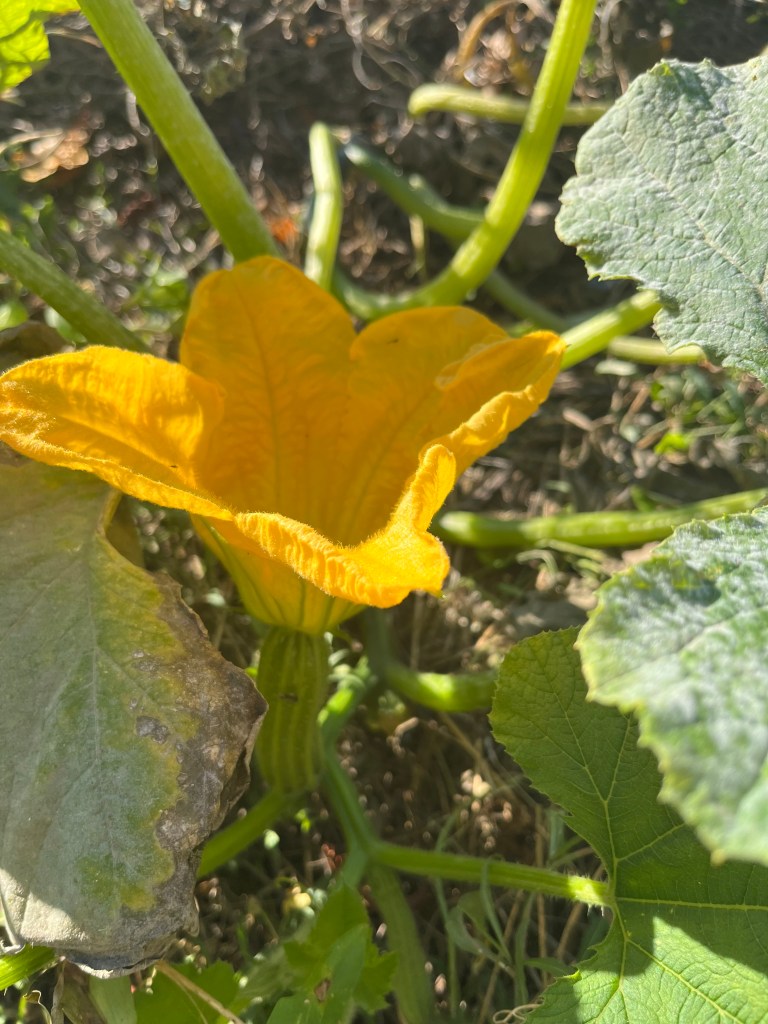
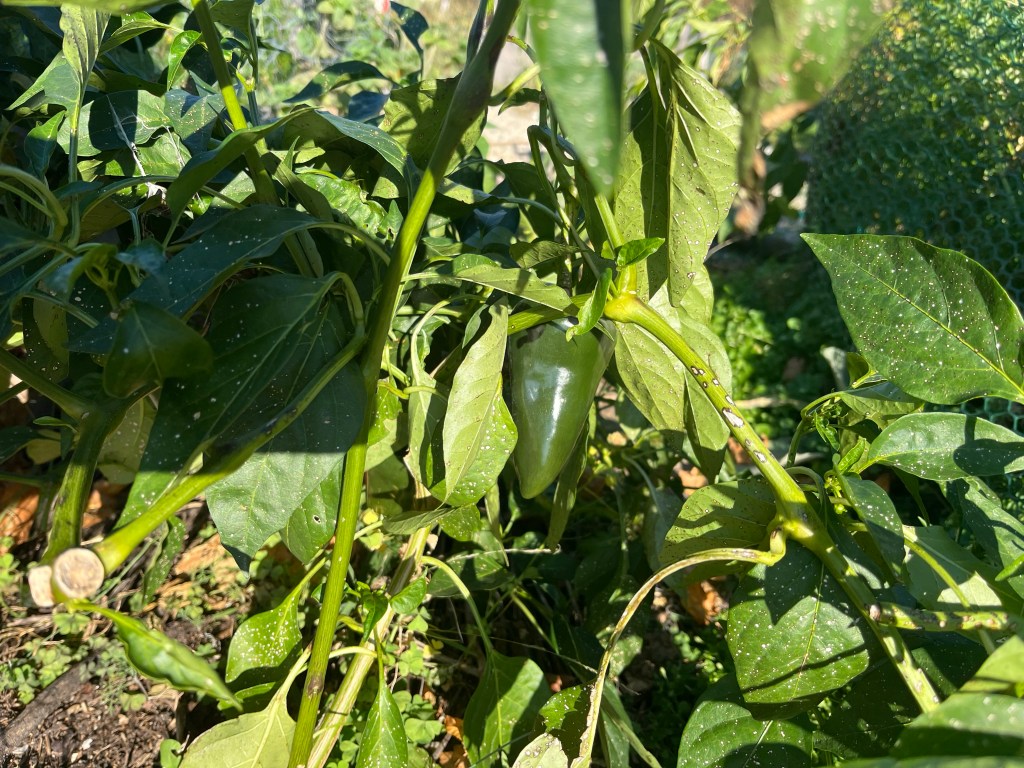
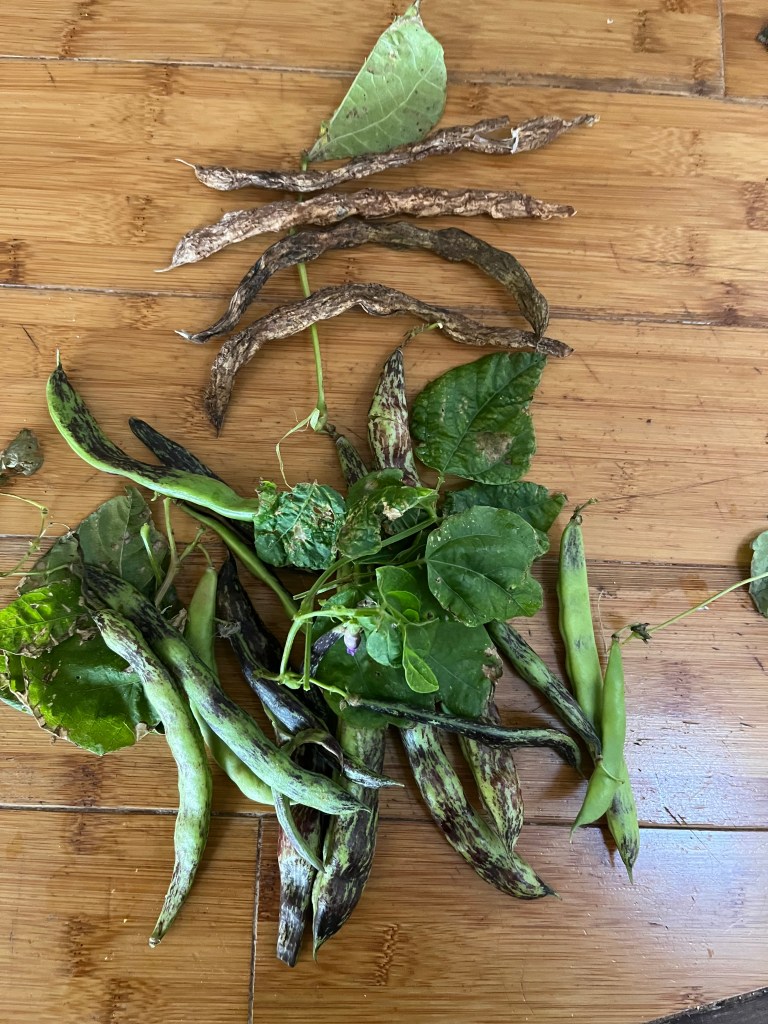
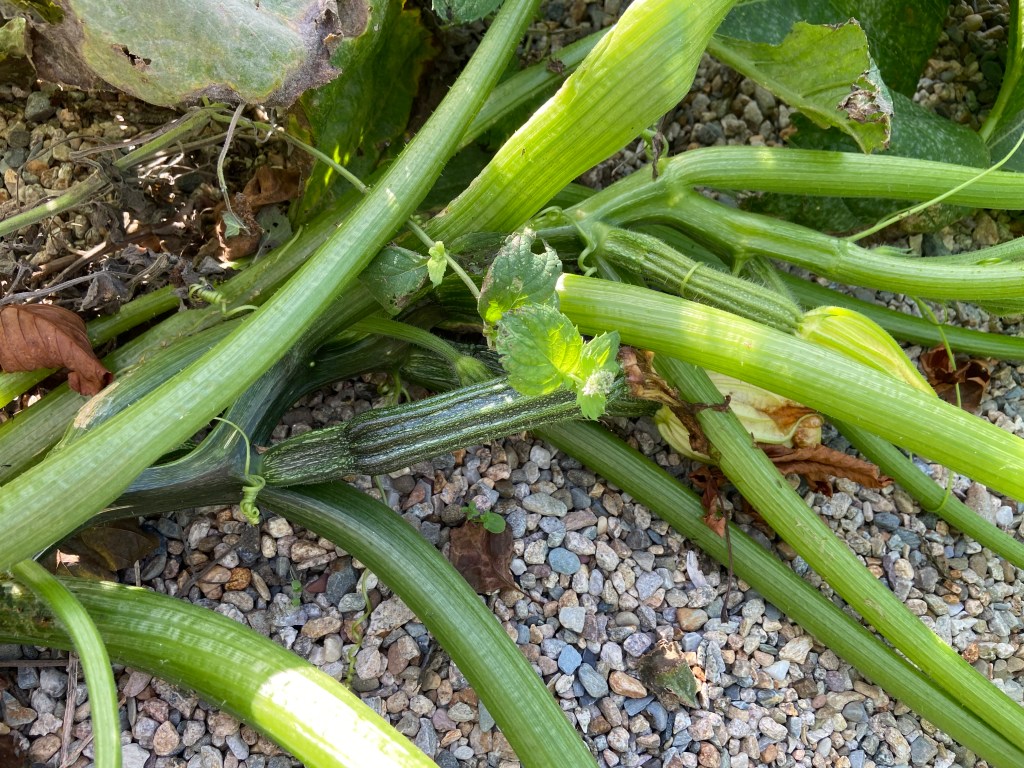
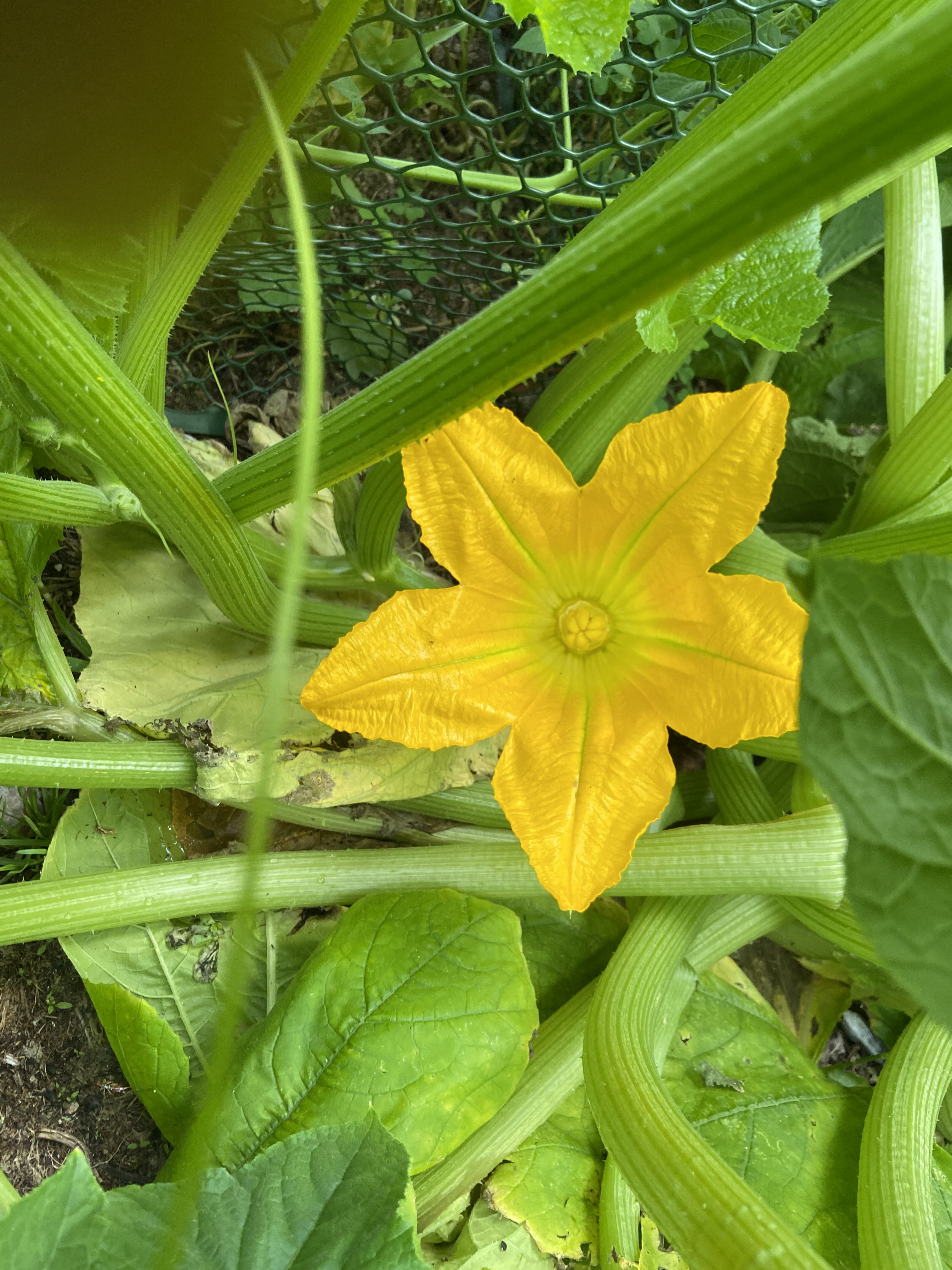
May the valiant zucchini and hearty poblano pepper, and the optimistic bean be our guide.
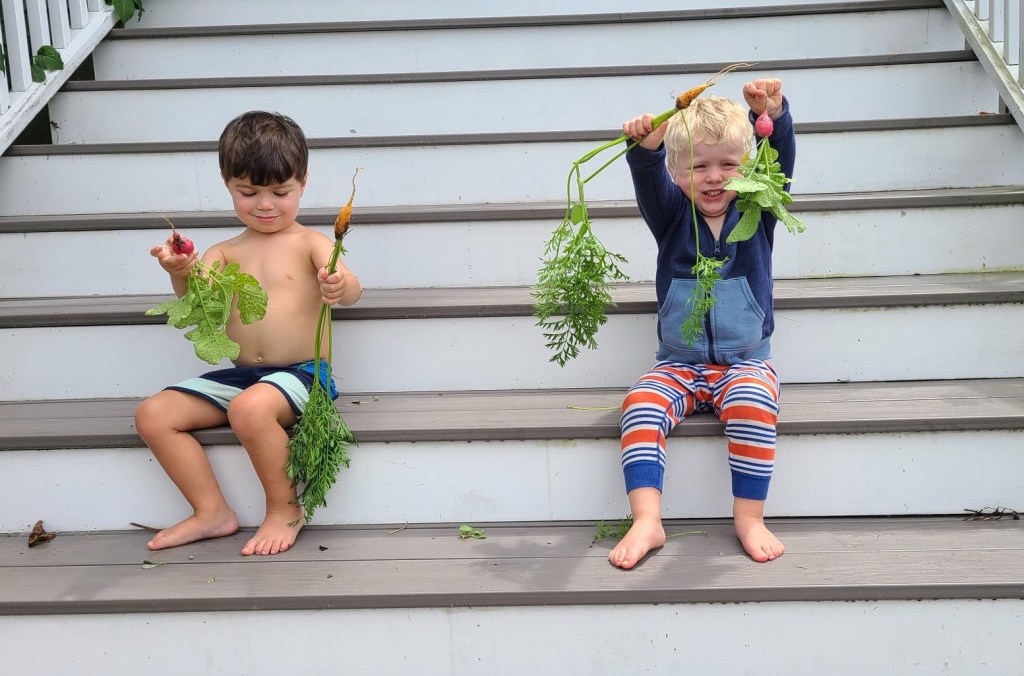











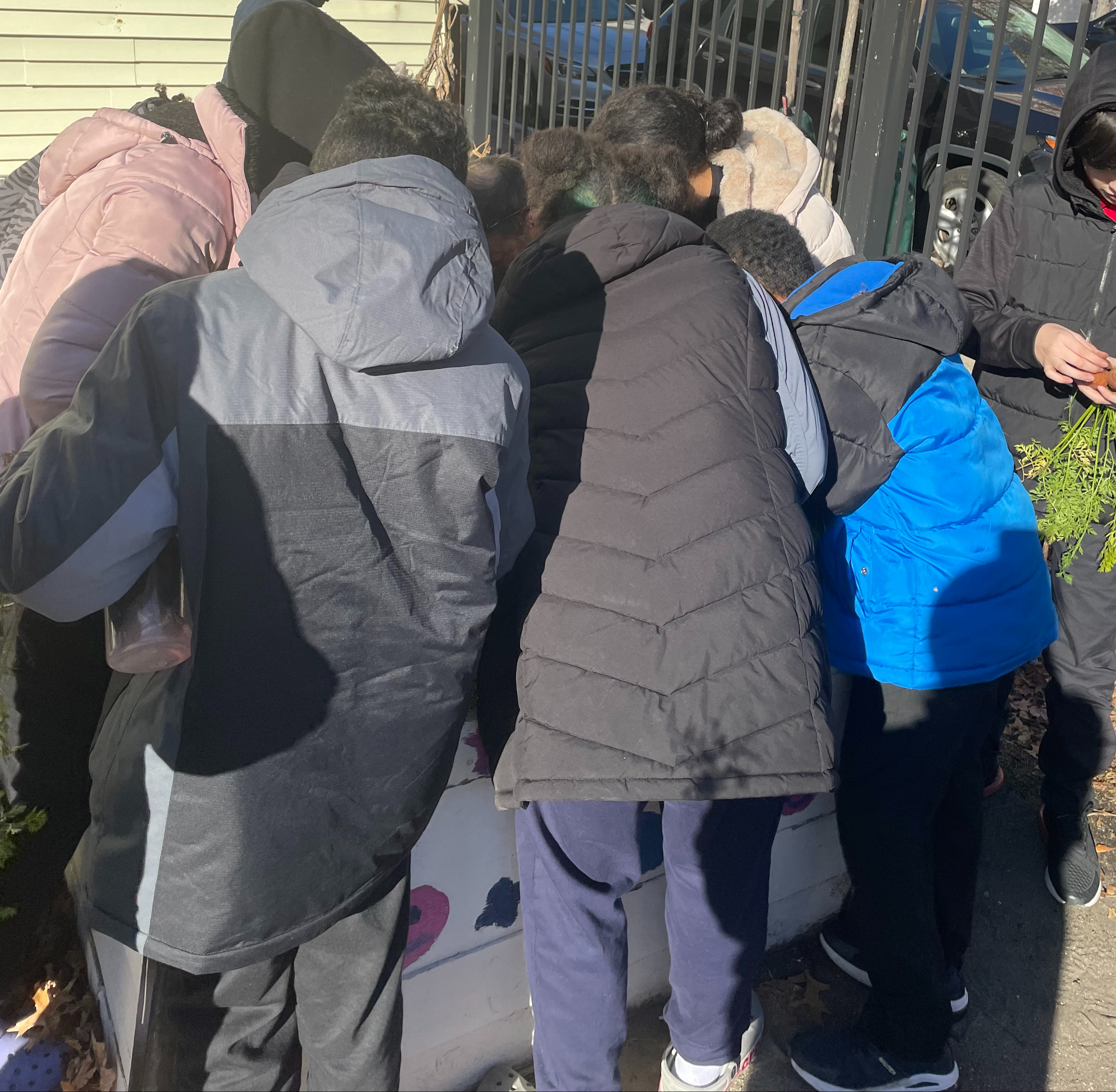


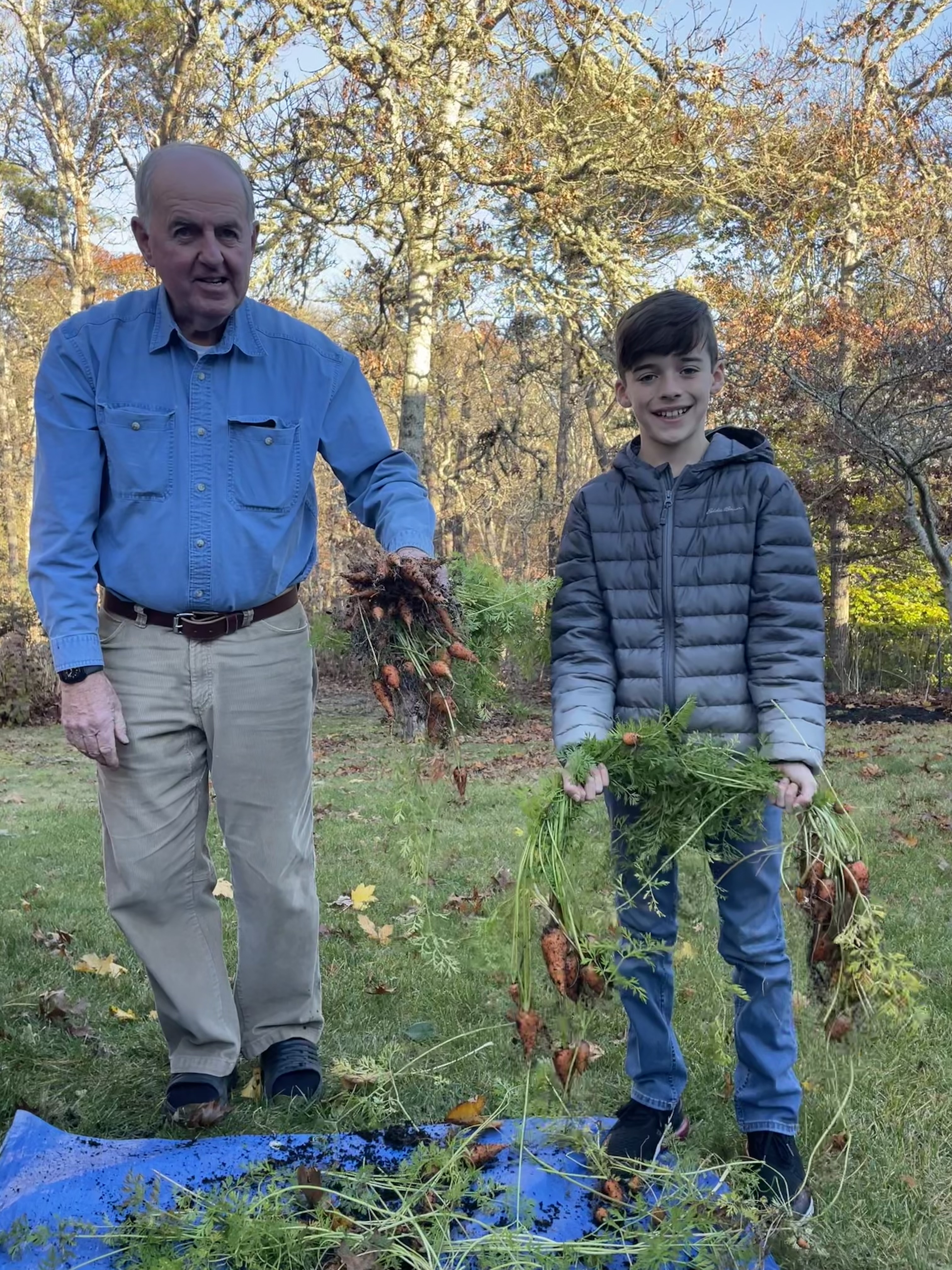
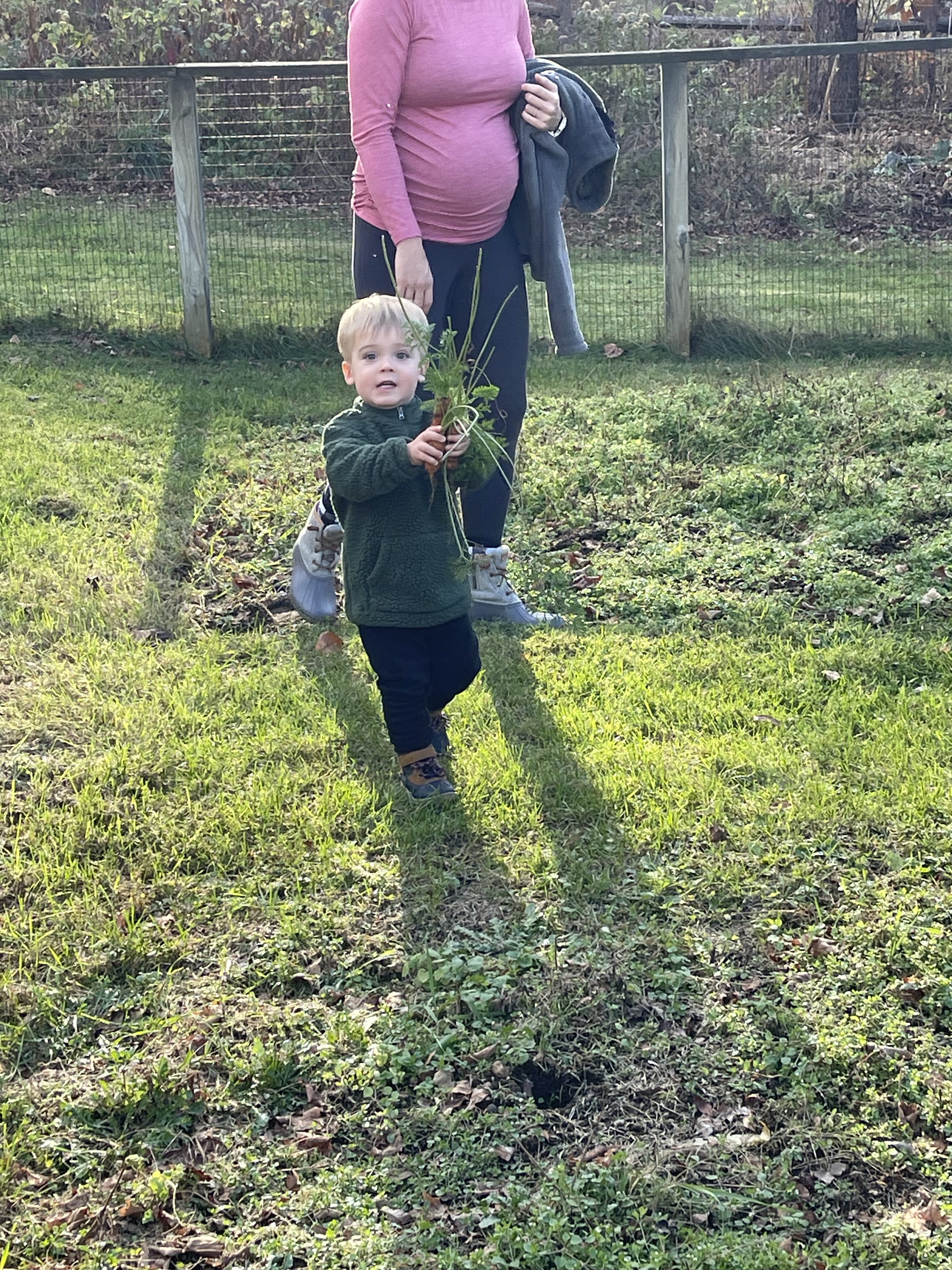


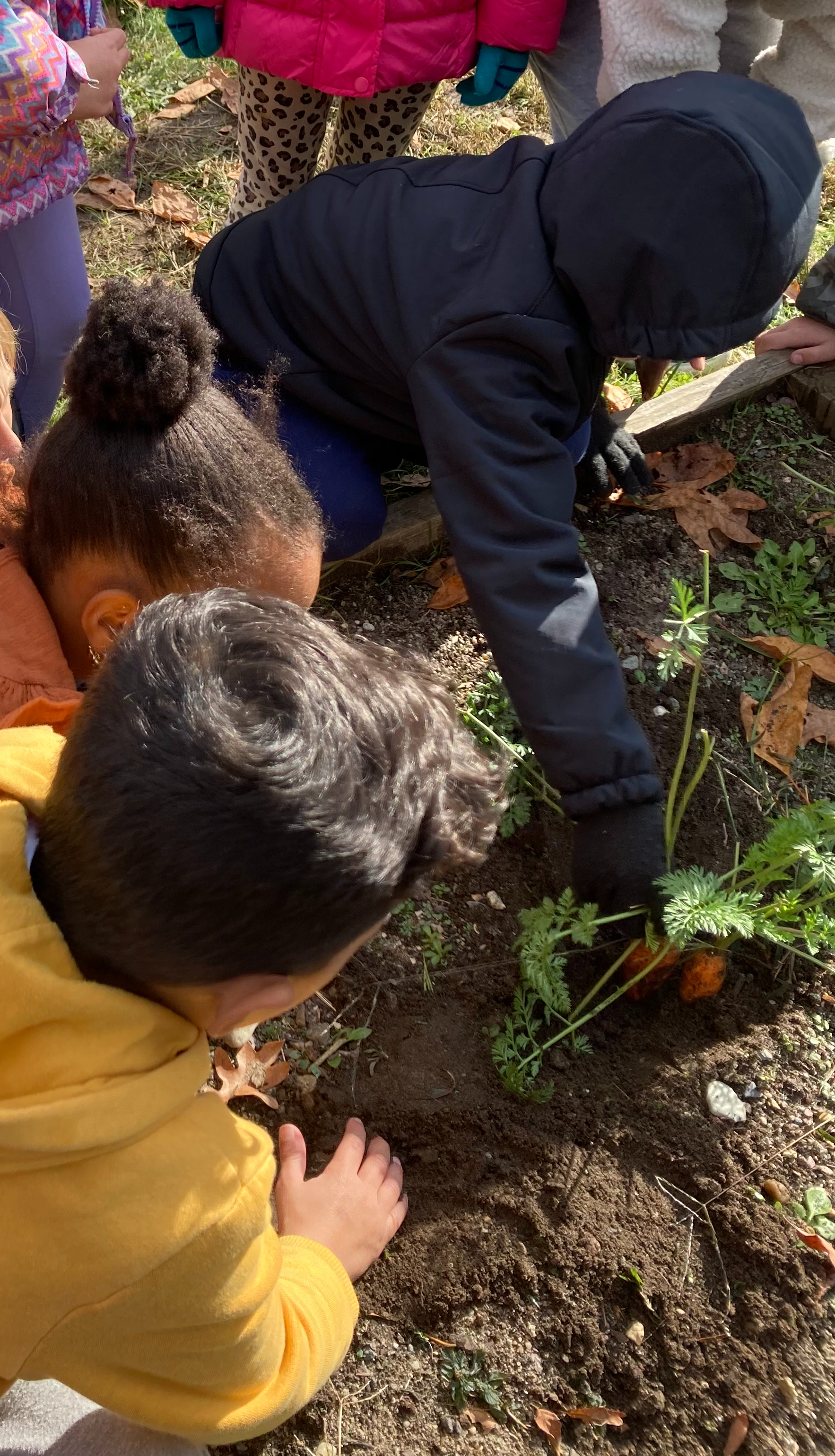












 Carrot Day Massachusetts 2026