
It was a cold and snowy winter and it sure seemed windy too. I am glad to say there are only a few days left before spring!
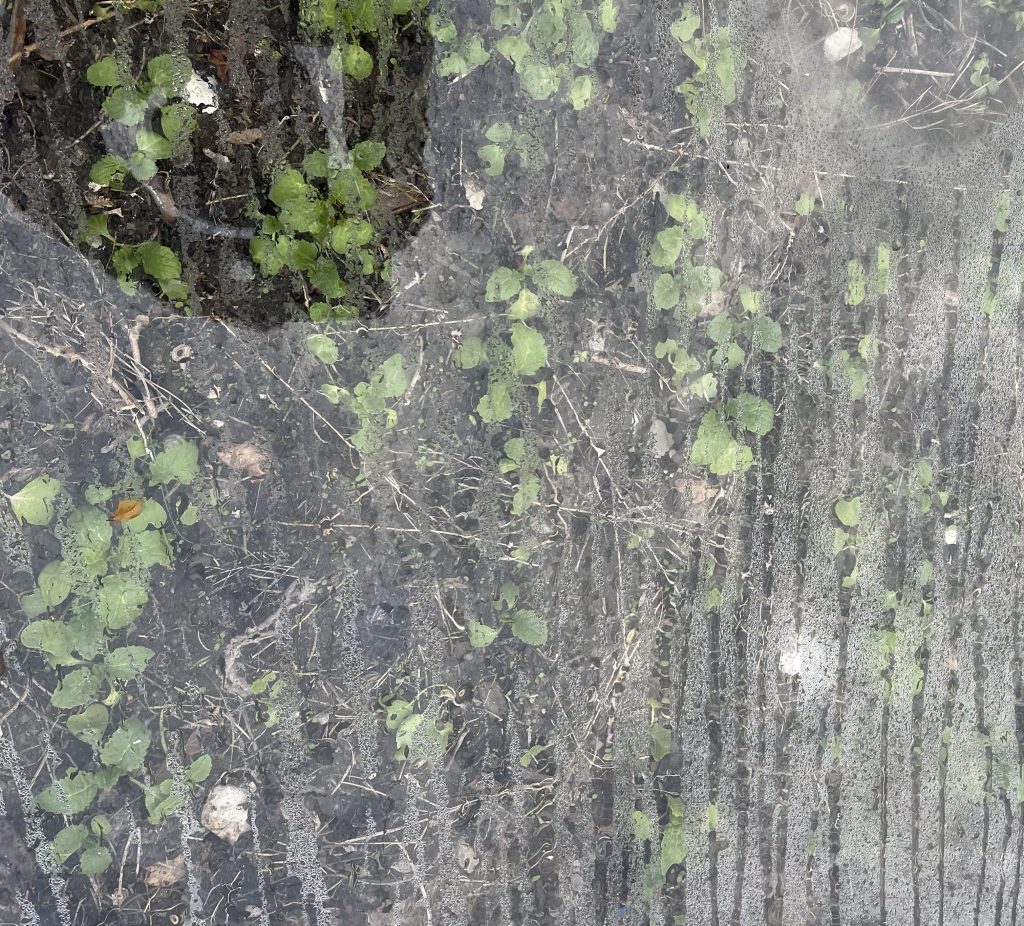
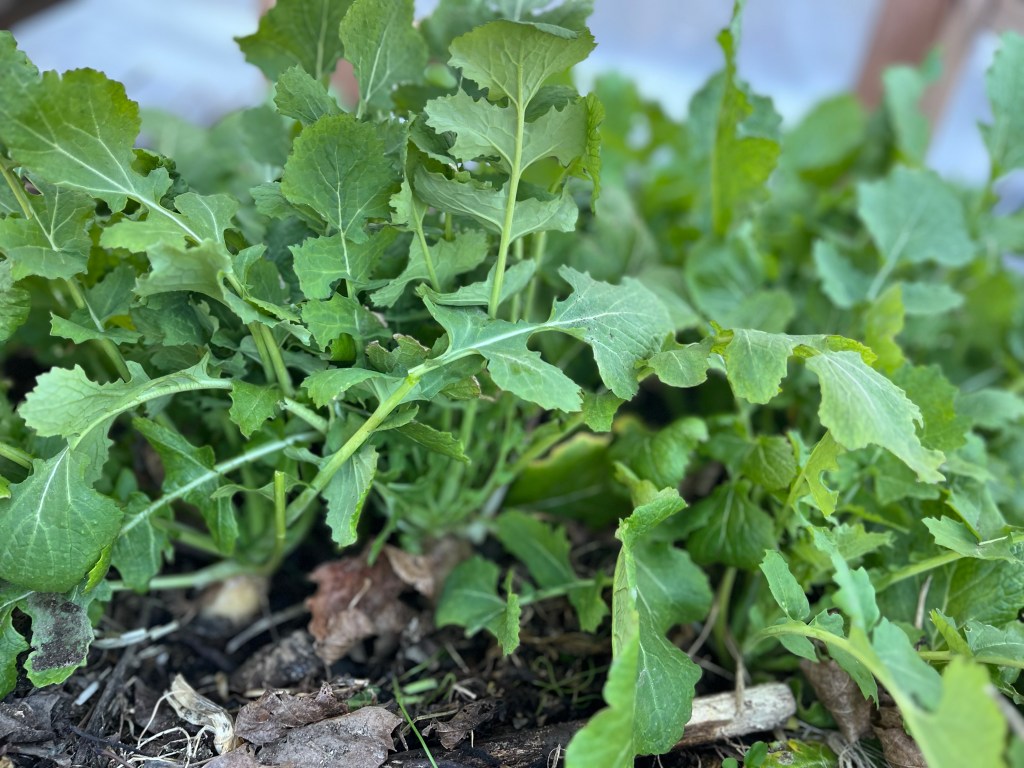
I took the photo above on Sunday March 15th, our son Ben’s Birthday. It is of the cold frame I planted in the last few days of October with the hope of Christmas Radishes and February Arugula. Well that did not happen. It got cold fast and then we got snow. Now I am hoping for radishes and arugula by the end of the month.
I did better with seaweed this winter. I gathered and piled seaweed on the garden’s surface on three different days and put about 300 gallons of seaweed on the garden. Today was the third time I gathered seaweed and dumped it on the garden and I am confident I have enough on it now. It would have been better if all of it had been put down in early winter but I am pleased I did better than last winter.
The principle is simple: when you take you should give. It is always in the gardener’s interest to give more to the soil than we take with the harvest. When we harvest food from the garden we are taking out organic material. That only works year after year if we give back to the soil year after year. Living here in Hull, seaweed is a good way to gather the organic material the soil needs. I just have to wait for a storm and then go gather it. Then all I need to do is lay it down and the natural process will take care of making sure the soil is replenished and enriched. As a kid my dad told me this about mulch. I wanted to dig it in. He told me to leave it on the top. I did an experiment and he was right. Then 30 years later and 25 years ago I was walking through the woods at Holly Hill Farm with Frank White and he said to me that the woods are our teacher, as the leaves fall and lay down on the forest floor we should do the same in the garden. The lesson is to let the amazing network of organisms bring the organic material into the soil. The soil is a living network and the more hands off we are and the less we dig the more it builds itself. All we need to do is to feed it. As in many areas of life, in the garden we need to learn the same lesson over and over again and in different contexts.
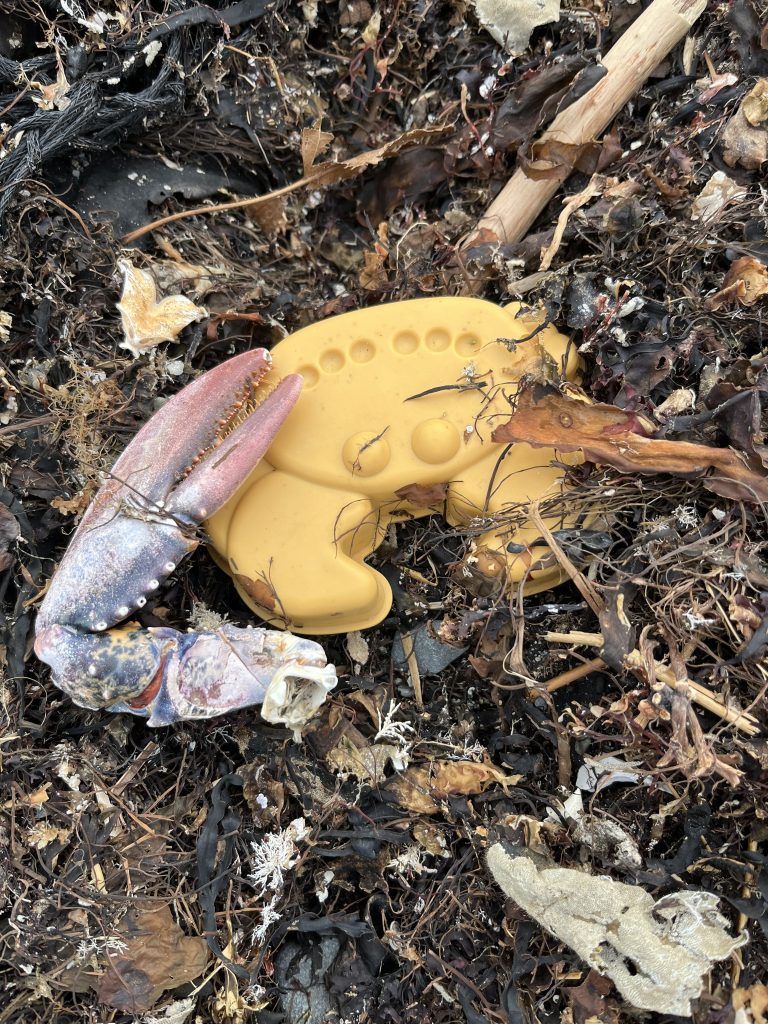
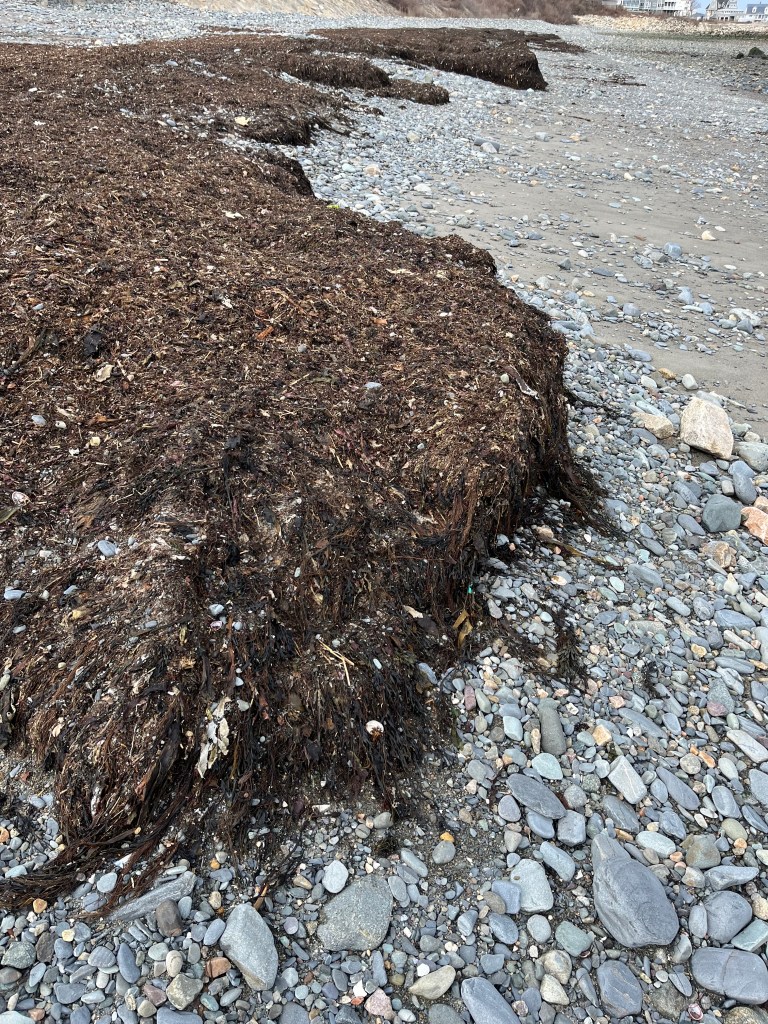
In the seaweed that washes up after a storm there are typically lobster, clam, mussel, and crab shells — all good for the garden. There are also often toys along with the plastic bottles, fishing gear, and other debris tangled in the organic matter — not so helpful in the garden. Today I was amused to see that nestled together in the seaweed was a toy plastic crab and an immature lobster claw. I have been gathering seaweed for three decades and I have never seen that before. In the photograph on the left there was no manipulation on my part. I did not move a thing and there was no photoshop. It just gives evidence that if you look often enough and long enough you will find amazing things.
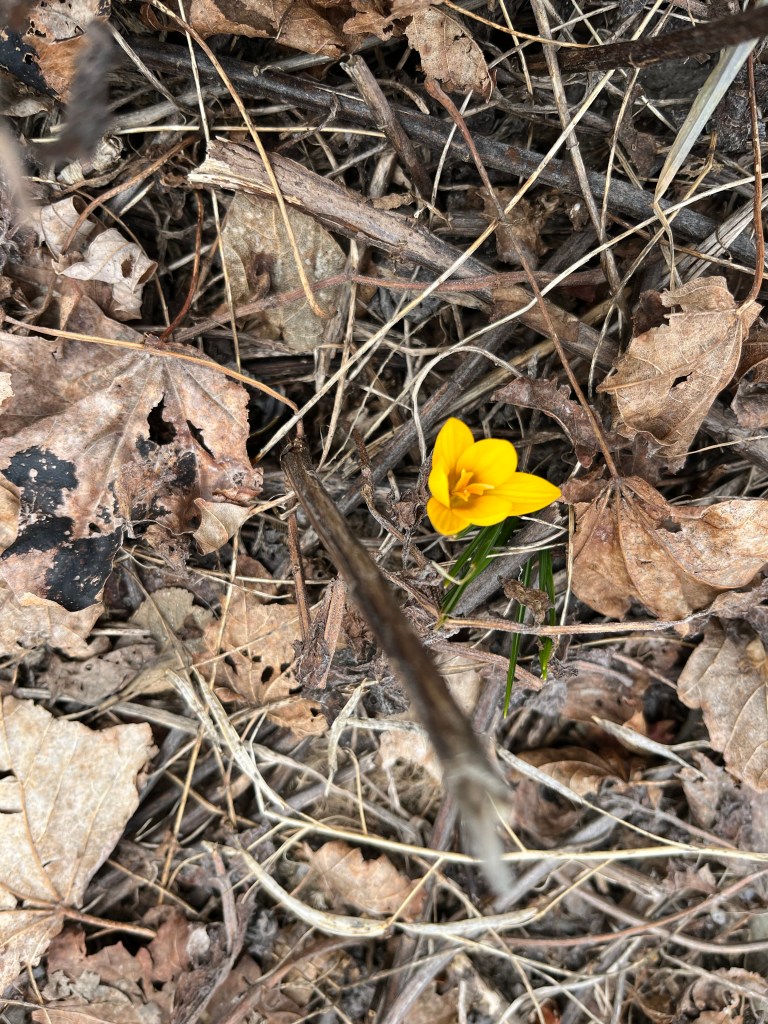
That is the beauty of gardening. It makes you look. It makes you experience. It takes you outside. One of the truths gardening revelas is that spring does come every year. It is a time of renewal and rebirth and we are just about to move into spring.
But just as the soil needs new inputs to keep developing and producing, so does the gardner need new influences. I am reading right now an amazing book called Tiny Gardens Everywhere: The Past, Present and Future of the Self-Provisioning City. The book, written by Kate Brown, an Environmental Historian who teaches and swims at MIT, is about gardening. She describes the ways in which regular people have time after time created substance and community through gardening. It is wonderful to have a skilled researcher not only detailing the benefits of working the soil and growing food but going back in time and in many different contexts to describe what could be. It is an optimistic book because gardening is optimistic and gardening has proven time and again to be good for health and community.
The book is also sad as it tells the same story of how powerful interests have stood in the way of folks being able to grow their own food over and over again across centuries. It tells the story of those who aim to impose order and cleanliness often destroy not only interrelated networks of plants and animals and microbes but also human communities. I can’t recommend it enough. Kate also had a free Substack and she wrote me to say, “If your readers don’t want to buy a book, here is my free substack with many of the same messages.”
I know Kate because we swim in the same Masters Swimming Team and met in the fall of 2024. At the end of a set or the end of a workout we would talk about our gardens. I thought she would like to read this blog so I sent it to her and this was her reply: “Ahhh, I should have know you are a plant person! One reason why I liked you immediately. I’m just finishing up a new book about the power of working class urban gardeners over the last hundred years to make alliances with plants, fungi, microbes and each other to build powerful worlds (while no one was looking). And these days the chard, collards and arugula (plus the kale and bok choi I just seeded that have already sprouted!) are teaching me about adaptation to our new climate and now to our new political world.
Let’s go get a coffee some day after swimming, if you have time. I’ll be back in the pool next Tuesday.”
That is what we can be — plant people. Learning from plants and each other. As Kate shows in her book the same lessons are learned again and again and undone again and again but it is through the layering of experience that our understanding is deepened. Plants and community build in multiple contexts and ways. Perhaps in time the goal of order and control can be unlearned and we can allow folks to be and more of us will grow our own food. Kate has a dream that the roads and parking lots can become our gardens. Katy, my wife, says that in Massachusetts “right of ways” take up more space than all but “residential” and “open space.” Imagine if a large portion of the “rights of way” were gardens. It would be a better world.
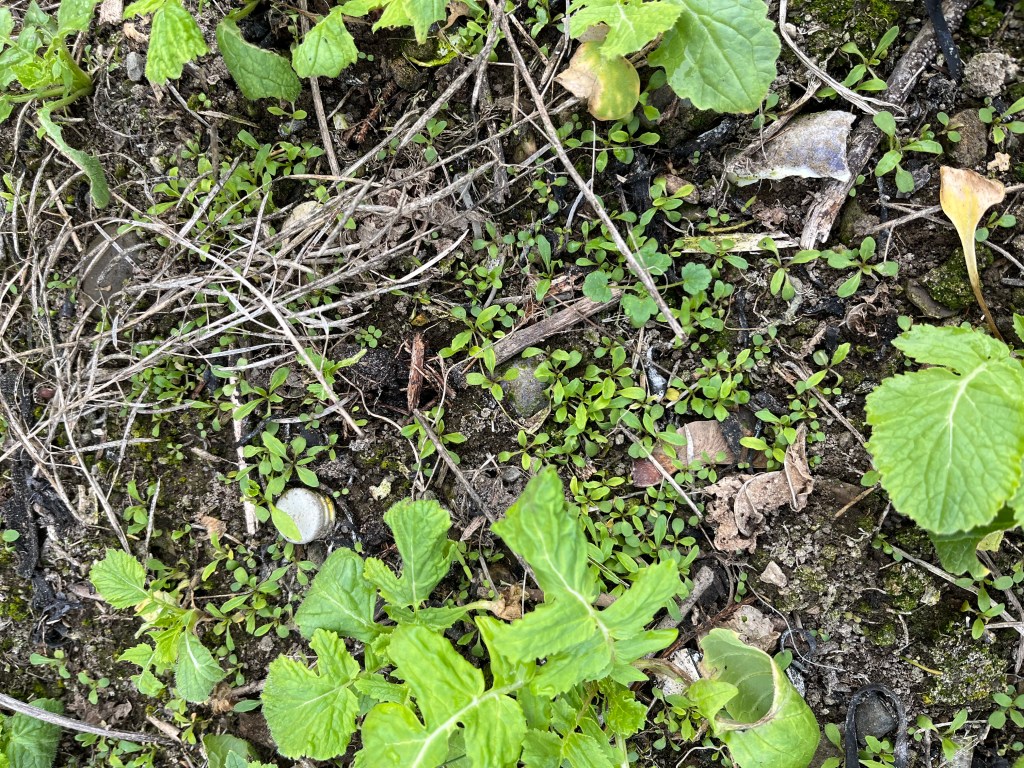
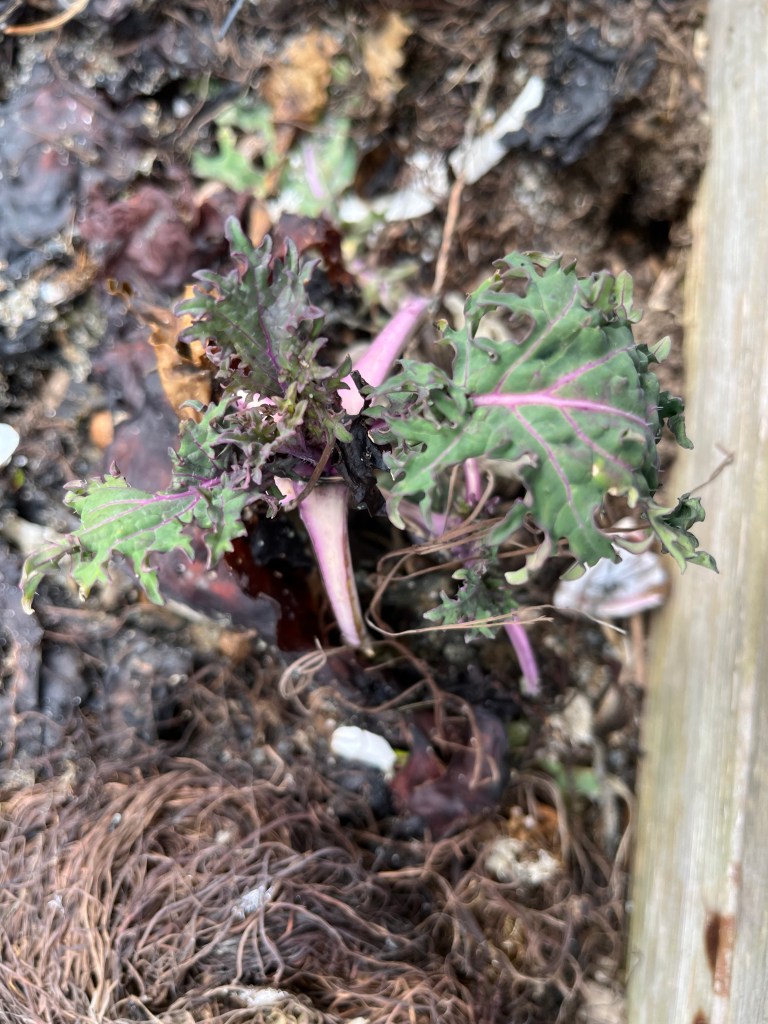
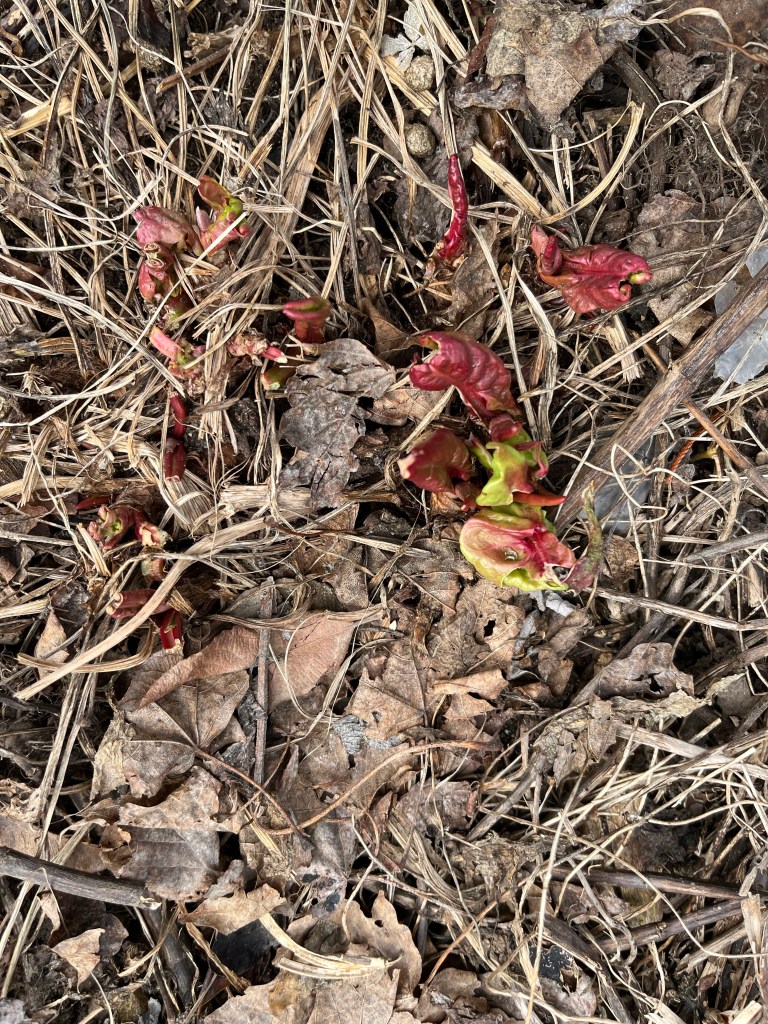
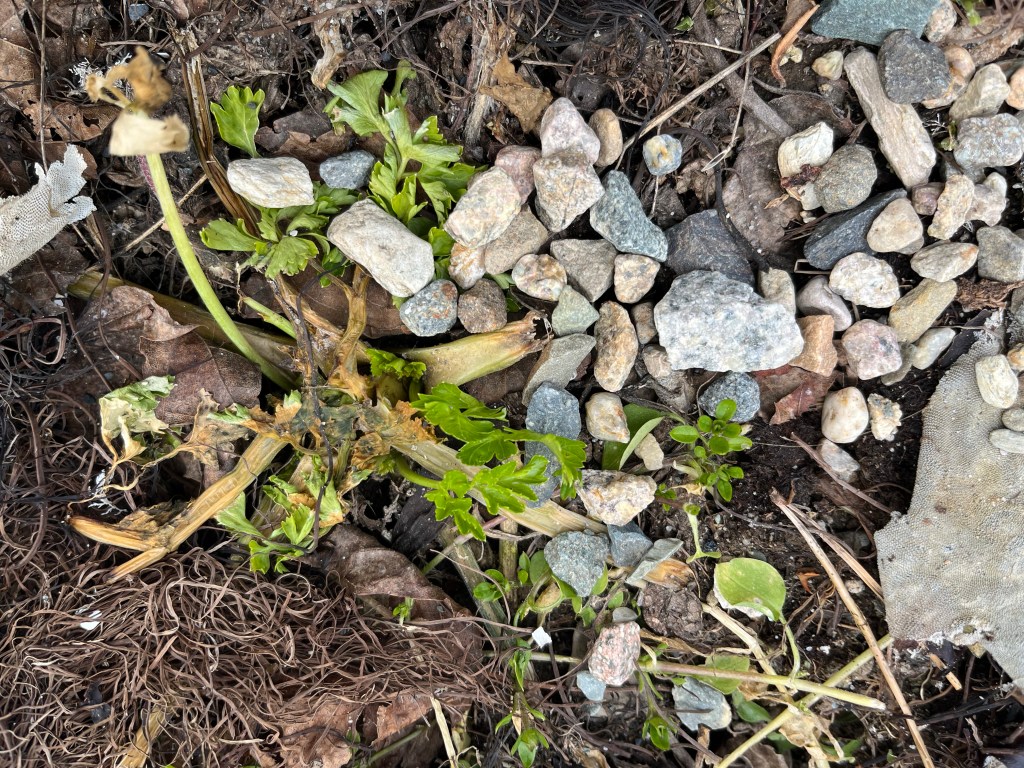
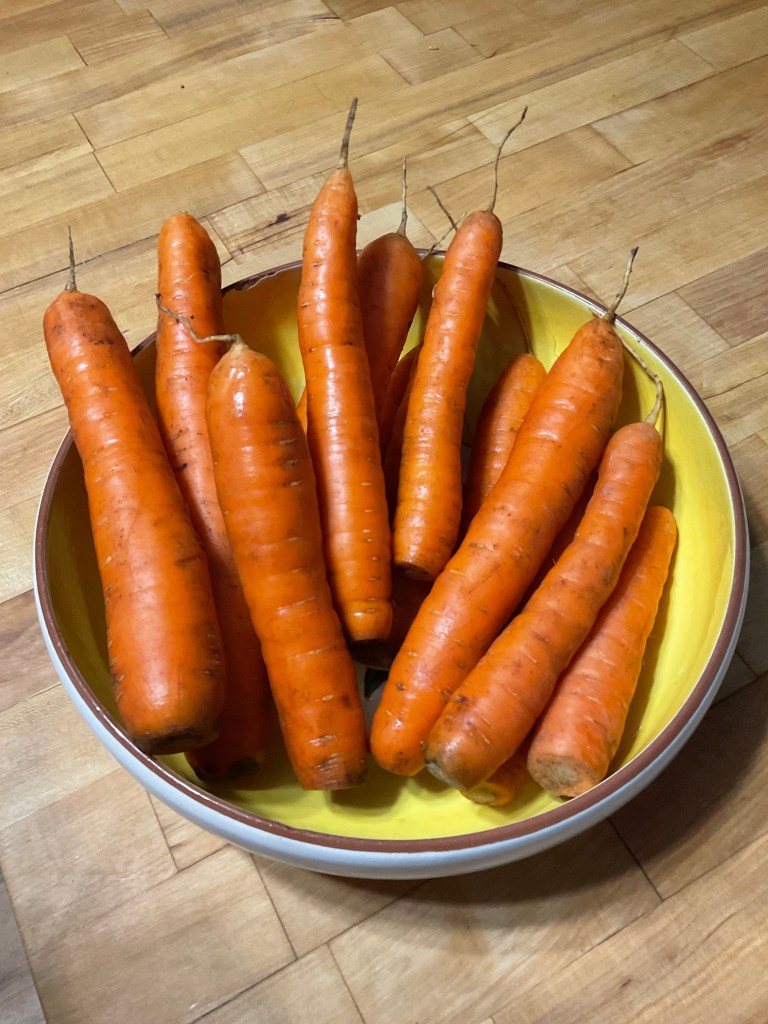
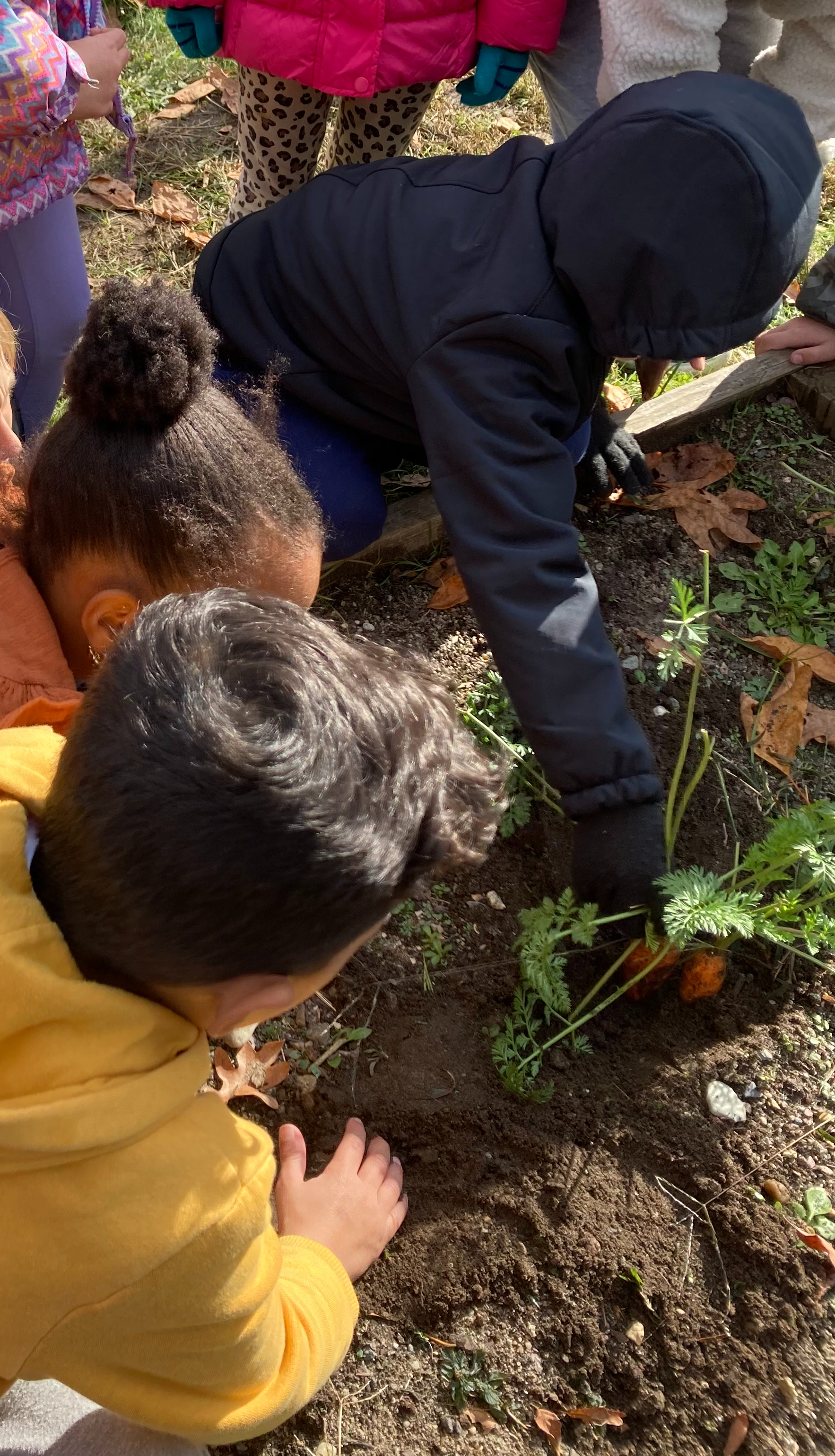
So we begin again. It is spring. I have ordered my seeds from Fedco and I hope you will grow carrots with us.
Please get your free seeds by filling out this form.













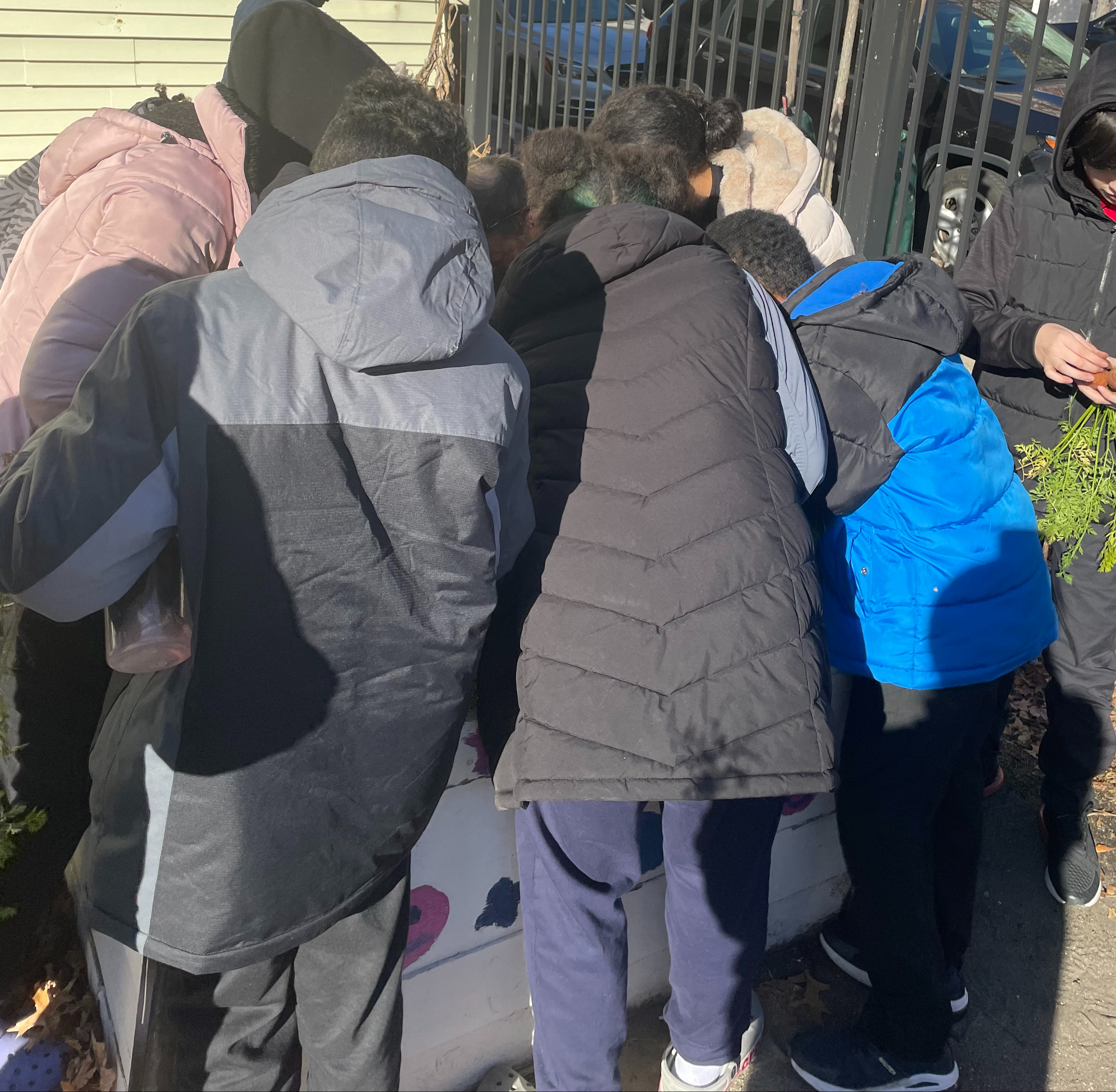


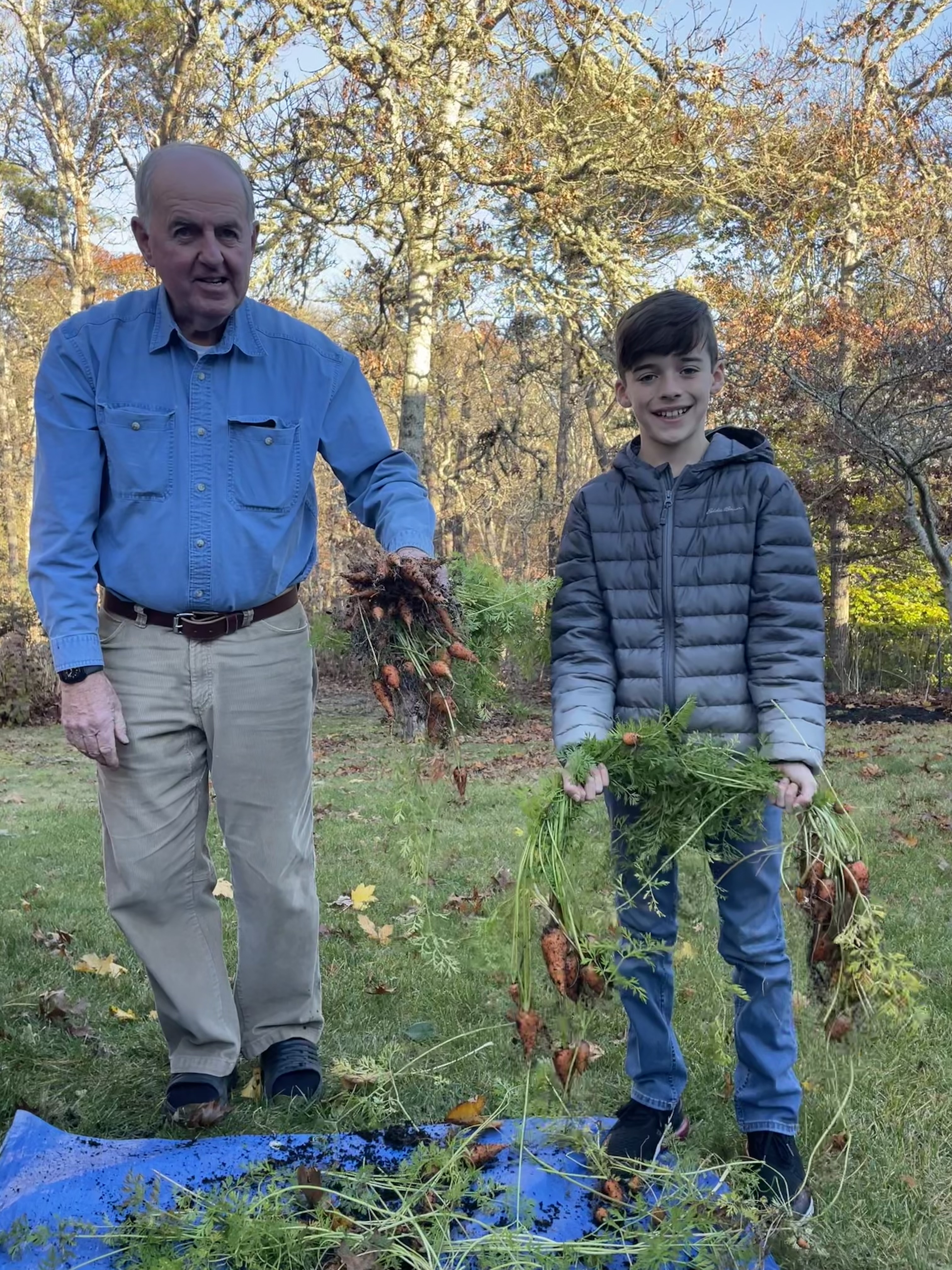
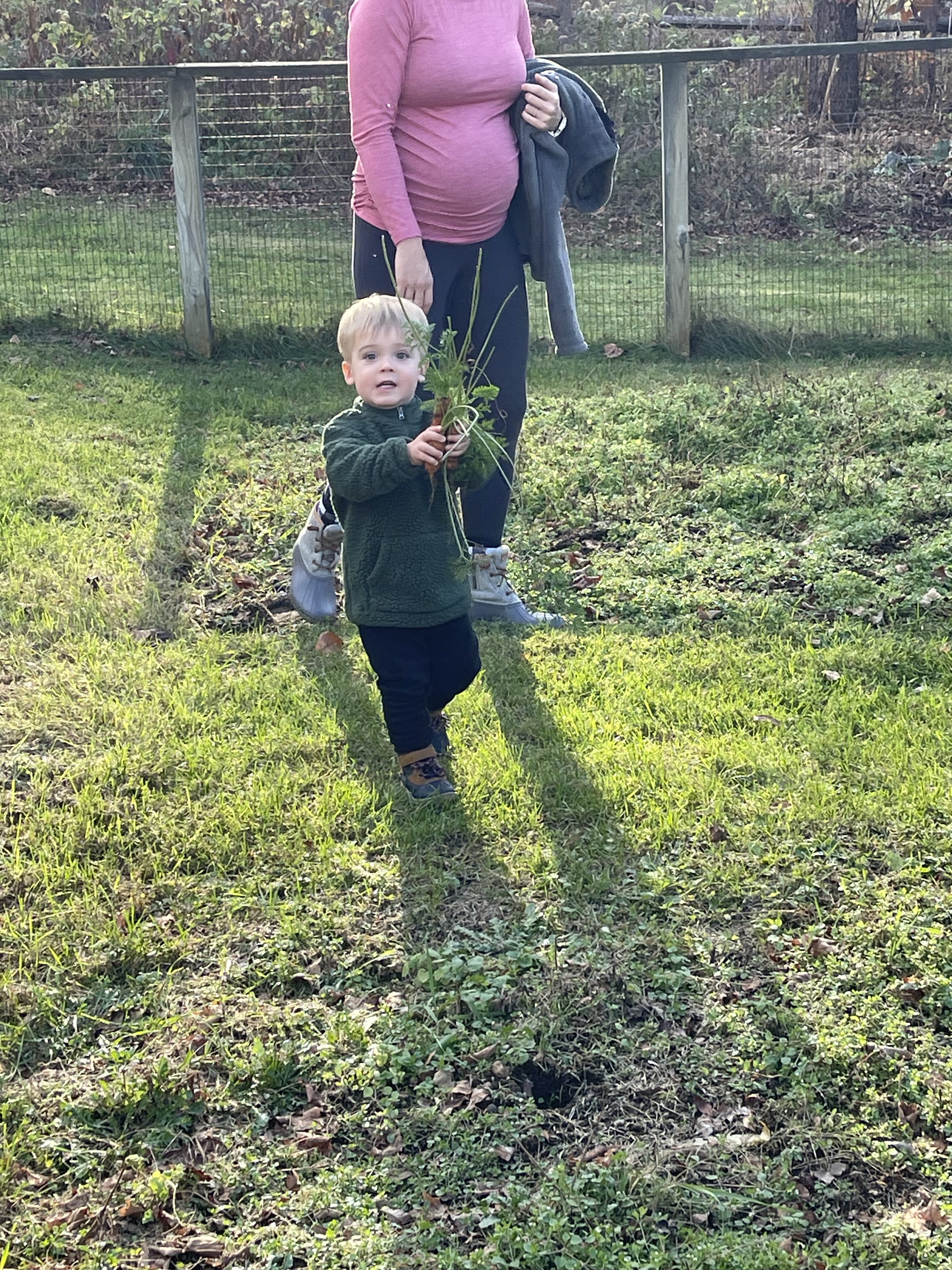




 Carrot Day Massachusetts 2026